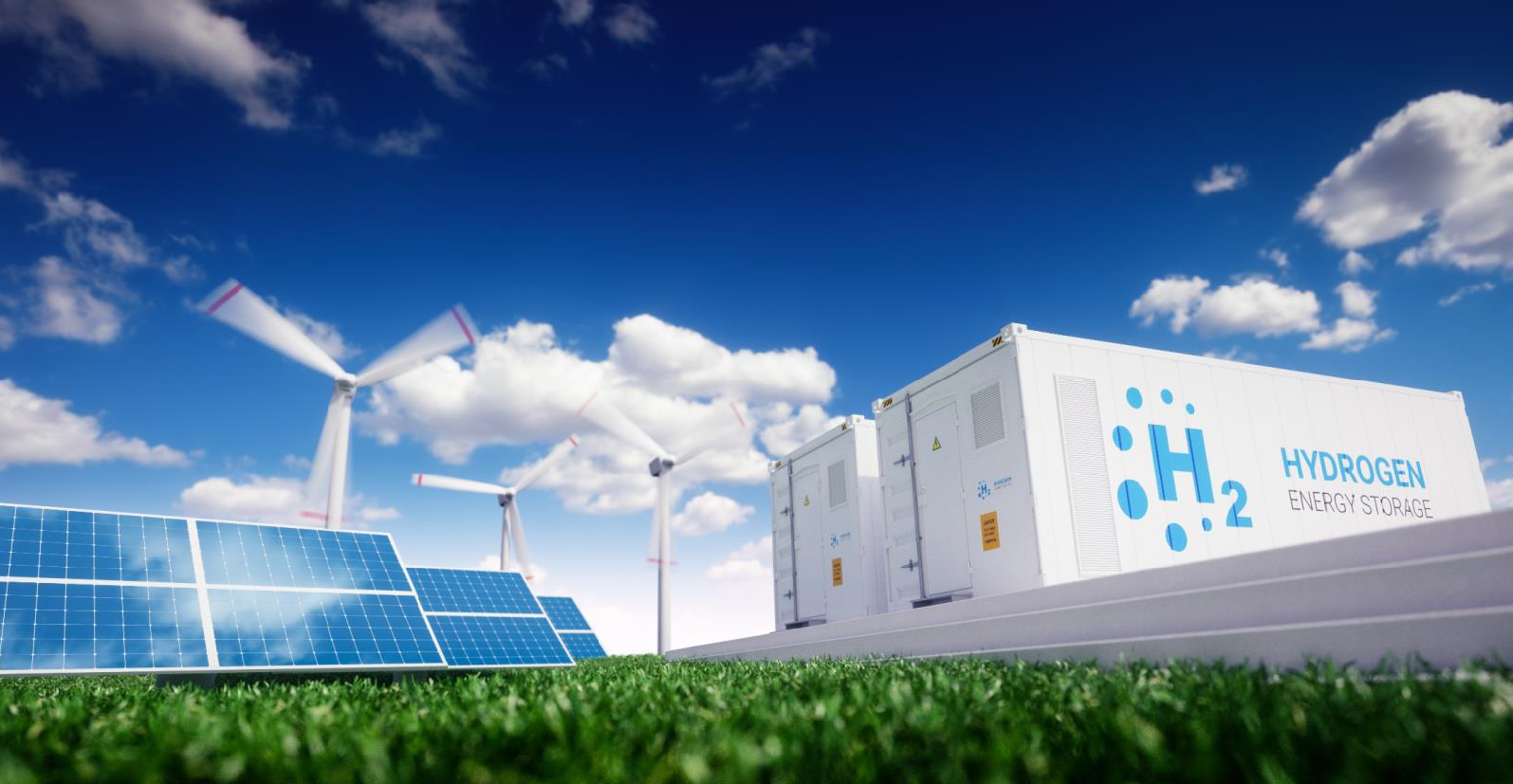
As the world accelerates its shift toward net-zero emissions, the race is on to develop infrastructure that can support scalable, sustainable energy systems. One innovation leading this charge is the rise of Hydrogen Valleys—integrated ecosystems where hydrogen is produced, stored, transported, and used locally to power industry, transport, and homes.
WHAT ARE HYDROGEN VALLEYS?
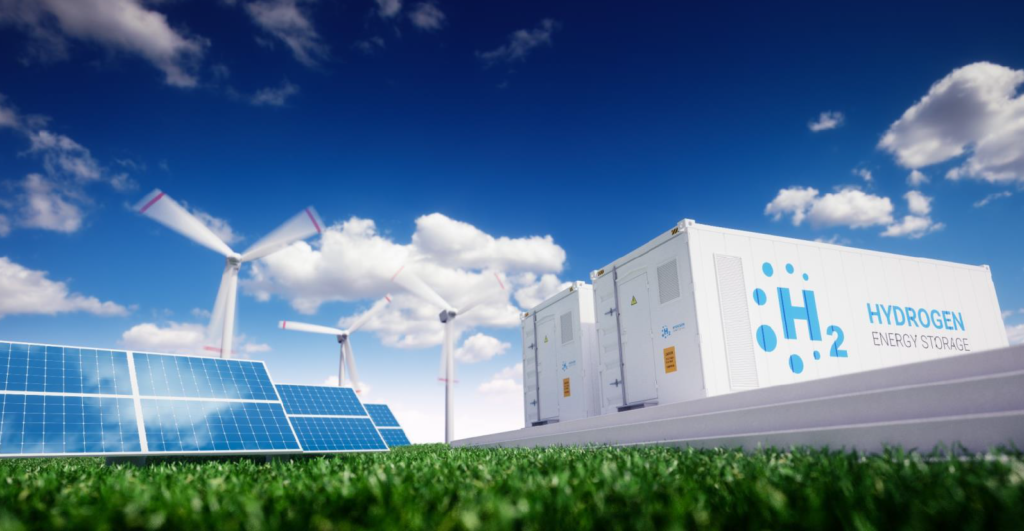
Hydrogen Valleys are geographically concentrated initiatives that bring together multiple components of the hydrogen value chain. They combine renewable energy sources (like solar or wind) with electrolyzers to produce green hydrogen, storage systems, and end-use applications in mobility, industrial processes, and heating.
This integrated approach not only reduces the carbon footprint but also fosters regional energy independence and economic development.
WHY HYDROGEN VALLEYS MATTER FOR RENEWABLES
Unlike intermittent renewables such as wind and solar, hydrogen offers flexibility and storage—two critical elements for a stable and resilient energy grid. By converting surplus renewable electricity into hydrogen via electrolysis, Hydrogen Valleys help balance supply and demand while decarbonizing hard-to-abate sectors like steel manufacturing and heavy transport.
EUROPE AND ASIA LEAD THE WAY
Europe is at the forefront, with over 65 Hydrogen Valley projects in planning or development across the continent, thanks to support from the European Clean Hydrogen Alliance. Germany’s HyLand and the H2Haul truck deployment projects are setting benchmarks. Meanwhile, Japan and South Korea are advancing hydrogen urban hubs aligned with national decarbonization goals.

OPPORTUNITIES FOR INVESTORS AND STARTUPS
Hydrogen Valleys present a growing opportunity for cleantech startups, especially those involved in:
- Advanced electrolyzer technology
- Green hydrogen logistics
- Sensor and safety systems
- AI-driven energy management
Venture capital is increasingly flowing into hydrogen, with funding rounds exceeding $2 billion globally in the past year alone.
CHALLENGES AHEAD
Despite momentum, challenges remain. High capital costs, limited infrastructure, and regulatory barriers need to be addressed. Governments must standardize certification for green hydrogen and facilitate cross-border hydrogen trade to unlock full market potential.
THE ROAD AHEAD
Hydrogen Valleys represent a bold step toward a circular, carbon-free economy. As technology matures and policy frameworks align, these hubs could become the backbone of tomorrow’s energy systems—anchored in renewables and built for resilience.
Deja una respuesta