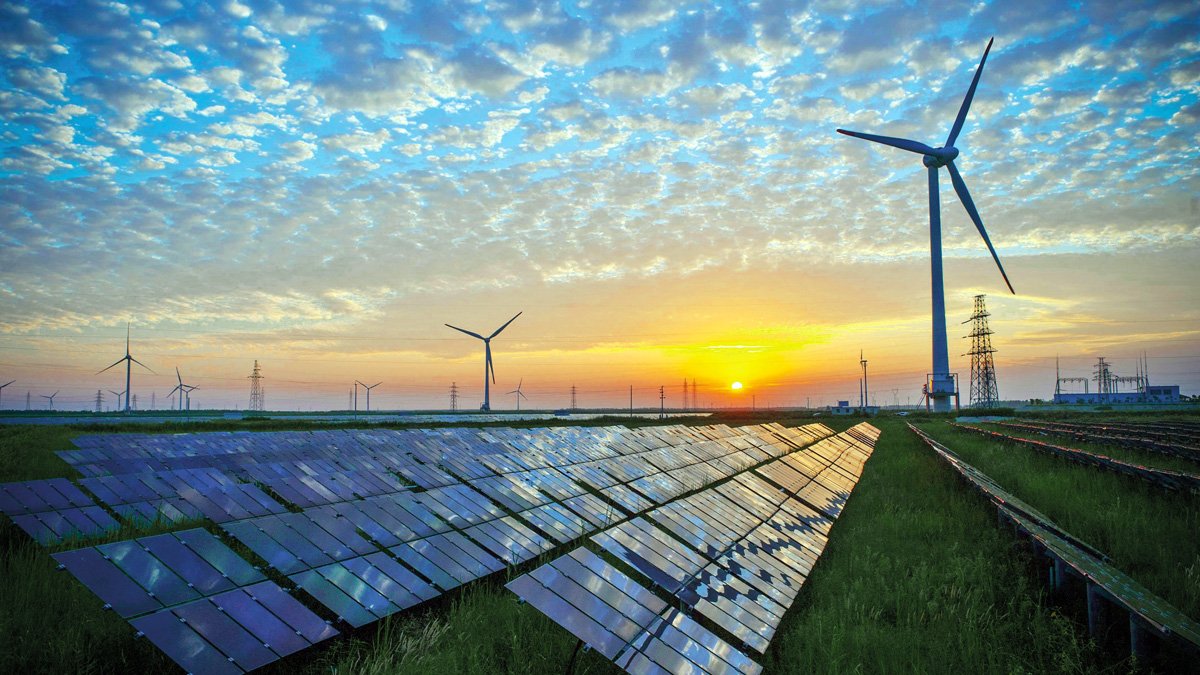
As the world accelerates towards electrification, copper has emerged as one of the most strategic resources of the 21st century. From electric vehicles and renewable energy systems to data centres and power grids, the demand for copper is surging at a pace that challenges global supply chains and reshapes geopolitical priorities.
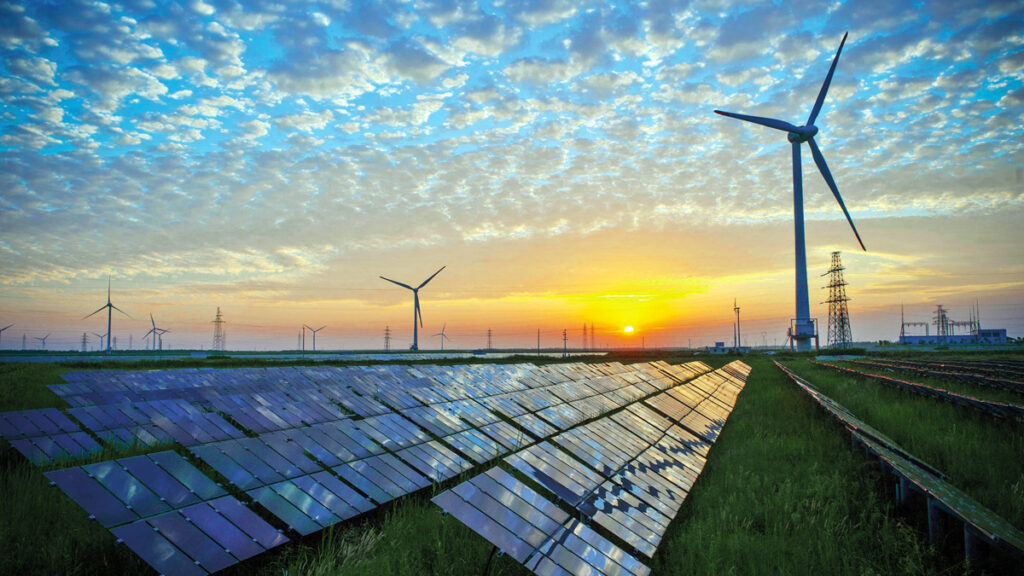
THE METAL AT THE HEART OF ELECTRIFICATION
Copper has long been valued for its exceptional electrical conductivity, durability and versatility. Today, these characteristics make it indispensable for the technologies driving the energy transition.
Electric vehicles require significantly more copper than conventional internal combustion engine vehicles. A typical EV contains between two and four times more copper, used in batteries, motors, inverters and charging infrastructure. Meanwhile, renewable energy projects such as solar and wind farms rely heavily on copper for power generation, transmission and storage systems.
The expansion of electricity grids is creating an additional layer of demand. As countries invest in modernising infrastructure and connecting renewable energy sources to national networks, copper consumption continues to rise.
DEMAND IS GROWING FASTER THAN SUPPLY
According to industry forecasts, global copper demand could nearly double by 2040 as electrification spreads across transport, industry and residential sectors. However, increasing supply is proving far more difficult.
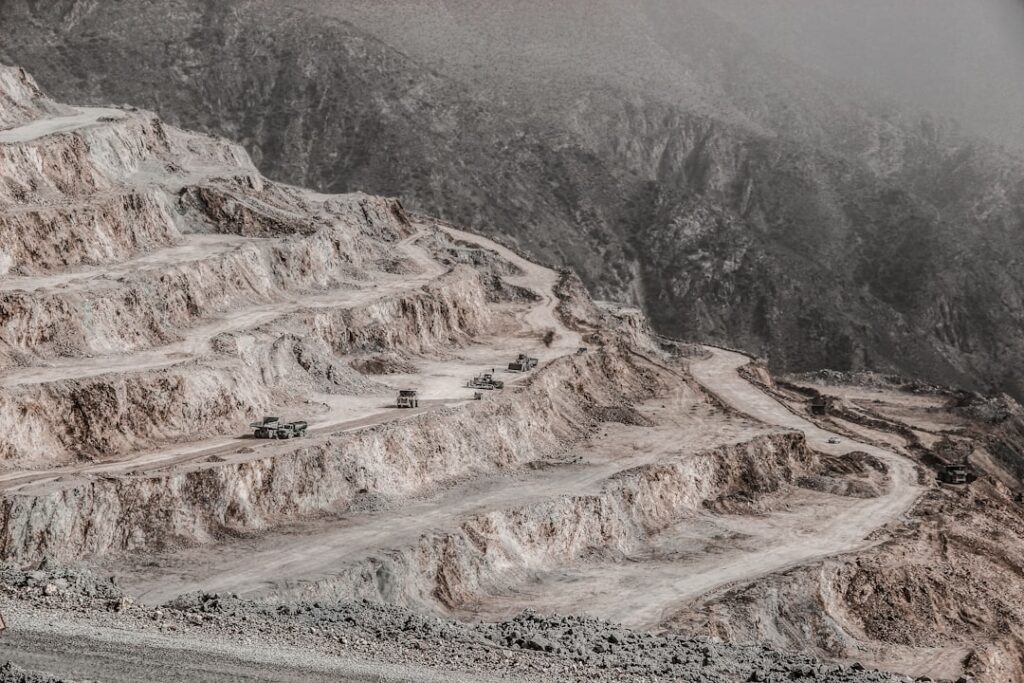
Developing a new copper mine can take more than a decade due to permitting processes, environmental reviews, financing requirements and infrastructure development. At the same time, many of the world’s largest copper mines are facing declining ore grades, meaning companies must process more material to produce the same amount of copper.
This imbalance between supply and demand has raised concerns about a potential structural copper deficit during the coming decades.
THE GEOPOLITICS OF COPPER
Copper is becoming increasingly intertwined with global geopolitical competition.
A significant portion of global production comes from a small number of countries, particularly Chile, Peru and the Democratic Republic of Congo. While these regions possess vast reserves, political uncertainty, regulatory changes and social tensions can affect production levels and investment decisions.
At the same time, China has strengthened its position throughout the copper value chain, investing heavily in mining projects, refining capacity and international resource partnerships.
In response, the United States, the European Union and other major economies are seeking to secure access to critical minerals through new trade agreements, domestic mining initiatives and strategic investments abroad.
The race for copper is no longer simply an industrial issue—it has become a matter of economic security.
TECHNOLOGY’S INSATIABLE APPETITE FOR COPPER
The energy transition is not the only driver of demand.
The rapid growth of artificial intelligence, cloud computing and data centres is creating a new wave of copper consumption. Modern data centres require extensive electrical infrastructure, cooling systems and power distribution networks, all of which depend heavily on copper.
As governments and corporations invest billions in AI infrastructure, the copper market is gaining an additional demand catalyst that few analysts anticipated a decade ago.
This convergence of digitalisation and decarbonisation is placing unprecedented pressure on global copper supply chains.
CAN RECYCLING CLOSE THE GAP?
Copper is one of the most recyclable materials in the world, retaining its properties through repeated recycling cycles.
As a result, recycling is expected to play a crucial role in meeting future demand. Urban mining initiatives, advanced recovery technologies and circular economy strategies are gaining momentum across developed economies.
Nevertheless, recycling alone is unlikely to eliminate the projected supply gap. Growing demand from emerging technologies is expected to outpace the volume of copper available through secondary sources, making new mining investments essential.
INVESTMENT OPPORTUNITIES AND CHALLENGES
For investors, copper represents one of the most compelling themes linked to the global energy transition.
Opportunities exist across the entire value chain, including:
- Copper mining companies
- Exploration and development projects
- Recycling and recovery technologies
- Grid infrastructure providers
- Renewable energy equipment manufacturers
However, the sector also faces significant risks, including commodity price volatility, geopolitical uncertainty, environmental regulations and project execution challenges.
Investors increasingly view copper not simply as a commodity, but as a strategic asset underpinning multiple long-term megatrends.
As the world moves towards a more electrified and sustainable economy, copper has become one of the most critical resources of our time. The combined forces of renewable energy, electric mobility, grid expansion and artificial intelligence are driving demand to unprecedented levels.
The challenge now lies in securing sufficient supply to support this transformation. Governments, corporations and investors are entering a new era of competition for access to copper resources, making the metal a central pillar of both the energy transition and the future global economy.
Deja una respuesta