Categoría: Blog

  • THE RISE OF SAND BATTERIES: A GAME‑CHANGER FOR LONG‑DURATION RENEWABLE STORAGE

    THE RISE OF SAND BATTERIES: A GAME‑CHANGER FOR LONG‑DURATION RENEWABLE STORAGE

    As the push for net‑zero energy intensifies, one of the industry’s biggest challenges remains: how to store vast amounts of renewable energy for long periods. Enter sand batteries—a simple yet revolutionary thermal storage solution that’s gaining traction in Northern Europe and beyond.

    WHAT ARE SAND BATTERIES?

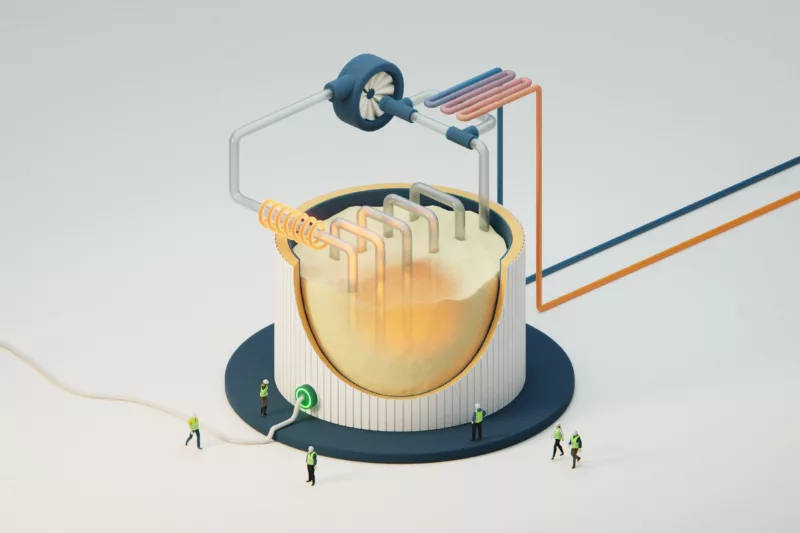
    Sand batteries are high-temperature thermal energy storage units built from readily available, low-cost materials like sand or crushed soapstone. Surplus electricity—typically from wind or solar—is converted via resistive heating into heat, which is stored in massive insulated silos of sand. When needed, the heat is extracted through heat exchangers to supply district heating networks or industrial processes.

    Unlike chemical batteries, they excel in seasonal storage, holding heat over months with minimal losses—up to 99% retention—and offer round‑trip efficiency of 85–90% .

    REAL‐WORLD DEPLOYMENTS: FROM PILOTS TO SYSTEMS

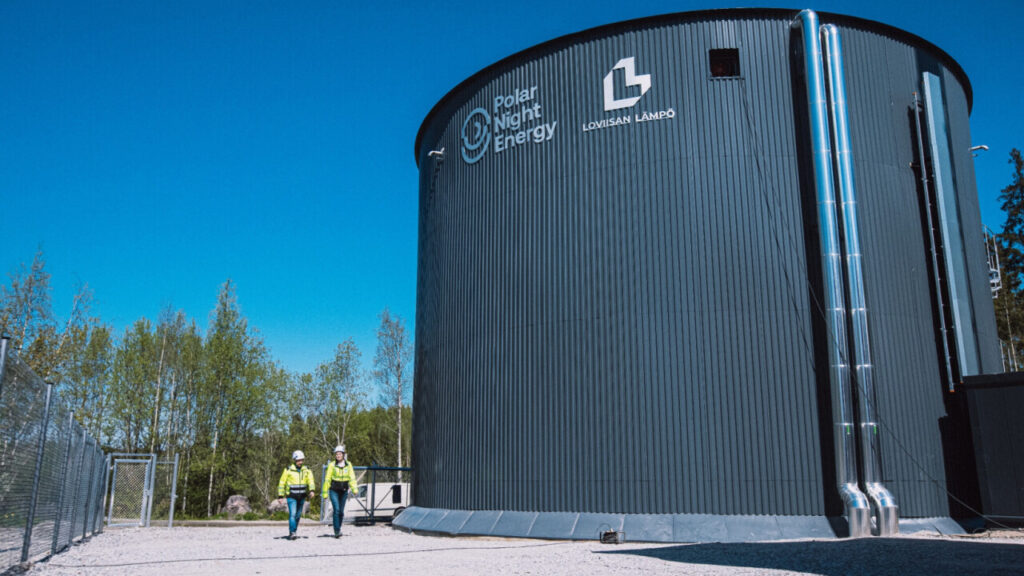
    • Kankaanpää, Finland (2022): The world’s first commercial sand battery launched with 100 tons of sand, delivering 200 kW and 8 MWh capacity. It integrates with the Vatajankoski district heating network and even primes data‑center waste heat.
    • Pornainen, Finland (2025): The world’s largest system—at 1 MW thermal power and 100 MWh capacity—started operations this summer. It supplies local district heating and aims to slash oil usage by nearly 70%.

    Expansion is underway: plans include further 1 MW/100 MWh systems and pilot installations focused on converting stored heat back into electricity (power‑to‑heat‑to‑power).

    WHY SAND BATTERIES MATTER FOR RENEWABLE INTEGRATION

    • Seasonal flexibility: Store excess summer wind/solar for winter heating.
    • Cost‑effective and reliable: Uses durable, abundant materials; minimal degradation over decades
    • Grid balancing: Participate in ancillary service markets for frequency and reserve stability
    • Emission reduction: The Kankaanpää pilot alone is estimated to save up to 100 Mt CO₂e by 2030 across EU deployments

    TECHNICAL & ECONOMIC INSIGHTS

    MetricValue
    Heat retention~99% efficiency over months
    Round‑trip efficiency~85–90% for heat recovery
    Material cost~$30/ton for sand, largely waste soapstone
    System lifespanDesigned for 30+ years, 8,000 hrs/yr uptime

    Initial CAPEX remains high—requiring funding and government support—but operations show strong ROI through heating bill savings, reduced fossil fuel consumption, and ancillary market revenue.

    SAND BATTERIES

    HORIZONS AHEAD: FROM HEAT TO ELECTRICITY

    Next‑gen prototypes aim to not only release heat but also reconvert it to electricity using ORC (Organic Rankine Cycle) or steam turbines—yet these currently lag in efficiency (~50–70%).

    These systems will bolster energy resilience in regions with seasonal climates or weak grids, offering scalable, long-duration storage independent of lithium battery supply chains.

    Moreover, agencies like Finland’s Polar Night Energy have secured €7.6 million in funding to support R&D, expansion, and heat‑to‑power integration.

    CONCLUSION

    Sand batteries showcase how combining age-old materials with modern design can revolutionize renewable energy storage. Offering long-duration, cost-effective, and scalable solutions, they hold the power to smooth supply-demand imbalances, decarbonize heating grids, and unlock the full potential of green power resources.

    For clean-tech investors and innovators, sand batteries provide a compelling intersection of low-risk materials, high environmental impact, and strong financial rationale—making them a cornerstone for the next wave of renewable infrastructure.

  • THE GLOBAL RISE OF DEEP TECH: WHY VCS ARE BETTING ON HARD SCIENCE

    THE GLOBAL RISE OF DEEP TECH: WHY VCS ARE BETTING ON HARD SCIENCE

    Venture capital is evolving. The next wave of innovation isn’t coming from photo-sharing apps or productivity tools—it’s coming from Deep Tech. Startups built on groundbreaking scientific discoveries are reshaping industries, and venture capitalists worldwide are adapting to support these longer, riskier, but massively impactful bets.

    WHAT IS DEEP TECH AND WHY IT MATTERS

    Deep Tech refers to startups rooted in advanced scientific or engineering innovations. Unlike software-based startups, Deep Tech ventures develop new materials, medical breakthroughs, clean energy systems, or quantum technologies that take years to bring to market.

    These companies often emerge from research labs and require significant technical expertise, large capital investments, and longer development timelines. But the potential payoff? Transformational impact on industries from aerospace to healthcare and energy.

    Global Examples:

    • Pasqal (France): Developing quantum processors based on neutral atoms—Europe’s response to Google and IBM in quantum computing.
    • Form Energy (USA): Pioneering iron-air batteries to store renewable energy for 100+ hours, revolutionizing grid-scale energy storage.
    • Log9 Materials (India): Specializes in advanced materials and fast-charging batteries with military and EV applications.
    • Exawizards (Japan): Using AI for drug discovery and eldercare solutions in a rapidly aging society.

    HOW VCS ARE ADAPTING TO DEEP TECH

    Traditional VCs are used to short product cycles and fast exits. Deep Tech flips that model. Investors need to build deep domain knowledge, partner with academic institutions, and understand how to de-risk science-based ventures.

    Strategies Include:

    • Hiring PhDs or former scientists as investment partners.
    • Structuring milestone-based financing around technical validations.
    • Co-investing with corporate VCs or governments to extend the runway.

    Example:
    Lux Capital (USA) focuses exclusively on science-driven innovation, investing in synthetic biology, space, and nuclear fusion.

    MILESTONE-BASED DEAL STRUCTURE

    Because Deep Tech takes time, capital is often deployed in stages. Each funding round is tied to technical milestones—not just revenue KPIs. A prototype, clinical trial approval, or pilot with a large industrial partner often marks the next tranche.

    Example:
    Carbon Clean (UK/India) uses this model to scale its carbon capture tech. It attracted funding from Chevron, CEMEX, and the UK government after hitting efficiency benchmarks in industrial pilots.

    deep tech

    PUBLIC FUNDING & NON-DILUTIVE CAPITA

    Deep Tech startups frequently rely on government grants, university spinout programs, and corporate partnerships to reach market readiness. These non-dilutive sources lower early-stage risk and provide technical validation.

    Examples:

    • Xanadu received funding from Canada’s National Research Council to develop photonic quantum computing.
    • BioNTech, now globally known for its COVID-19 vaccine, received early support from the German government and EU programs.

    VALUATION & EXIT STRATEGIES

    How do you value a startup with no product yet, but world-changing potential? Deep Tech valuations are often based on:

    • Patent portfolios and intellectual property
    • Scientific credibility (e.g., peer-reviewed papers, institutional backing)
    • Commercial pilots or early traction with large enterprises

    Exits often happen via:

    • Acquisition by large tech, pharma, or energy companies
    • Public markets (especially in biotech and climate tech)
    • Strategic M&A by government-backed industrial groups

    THE FUTURE OF DEEP TECH VC

    The climate crisis, global health challenges, food insecurity, and energy transformation all demand hard tech solutions. That’s why Deep Tech is no longer niche—it’s essential.

    From Boston to Bangalore, Deep Tech ecosystems are gaining momentum. VC funds that adapt—by being patient, science-savvy, and globally connected—will lead the next decade of breakthrough investing.

  • THE RENEWABLE ENERGY LANDSCAPE IN 2025: EMERGING TRENDS AND INNOVATIONS

    THE RENEWABLE ENERGY LANDSCAPE IN 2025: EMERGING TRENDS AND INNOVATIONS

    As we progress through 2025, the renewable energy sector is experiencing unprecedented growth and transformation. Driven by technological advancements, policy shifts, and increased investment, several key trends are shaping the future of sustainable energy.

    EMERGING TRENDS AND INNOVATIONS

    1. Decentralized energy systems gain momentum

    The shift towards decentralized energy systems is becoming more pronounced. Communities and businesses are increasingly adopting microgrids, battery storage, and localized energy production to enhance reliability and resilience. This approach reduces dependence on centralized power stations and empowers local entities to manage their energy needs effectively.

    2. Advancements trends in energy storage technologies

    Robust energy storage solutions are crucial for balancing intermittent renewable power sources. In 2025, next-generation solid-state batteries and hybrid systems offer faster charging, improved safety, and longer lifespans than traditional lithium-ion units. Pilot programs in Europe and Asia are integrating these technologies with urban grids, reducing energy loss and stabilizing supply.

    3. Green hydrogen emerges as a key player

    Green hydrogen, produced using renewable electricity to split water molecules, is emerging as a critical component of the clean energy transition. Countries like Saudi Arabia are investing heavily in green hydrogen projects, including the $5 billion NEOM project, expected to begin production in 2025. Green hydrogen can decarbonize industries such as steel production, shipping, and aviation, making it a vital solution for reducing emissions in sectors that are difficult to electrify.

    EMERGING TRENDS AND INNOVATIONS

    4. Integration of AI and IoT in energy management

    Artificial intelligence (AI) and the Internet of Things (IoT) are revolutionizing energy management. AI-powered analytics enhance demand forecasting, operational efficiency, and predictive maintenance. IoT devices collect real-time data, enabling dynamic grid management and optimized resource allocation. These intelligent solutions reduce costs and improve reliability for businesses and communities.

    5. Emerging trends: Expansion of offshore wind energy

    Offshore wind energy is experiencing significant growth, driven by advancements in turbine technology and increased investment. In Europe, offshore wind capacity is set to double by 2025, with the U.K., Germany, and Denmark leading the charge. In the U.S., offshore wind projects along the East Coast and the Gulf of Mexico are progressing significantly, aligning with the goal of deploying 30 gigawatts (GW) of offshore wind by 2030.

    6. Emerging markets trends drive renewable energy growth

    Emerging markets are playing a pivotal role in the expansion of renewable energy. The Middle East is becoming the fastest-growing renewables market outside China, with significant investments like the United Arab Emirates’ $6 billion solar plant project. This project aims to deliver 5 gigawatts of solar power backed by 19GWh of battery storage, providing a constant output sufficient to power over 700,000 homes.

    7. Innovations in solar technology

    Advancements in solar technology are enhancing efficiency and reducing costs. Perovskite solar cells, known for their high efficiency and low production costs, are gaining traction. Additionally, bifacial solar panels, which capture sunlight from both sides, are emerging as a game-changer in optimizing energy output, particularly in environments with highly reflective surfaces.

    In conclusion, 2025 marks a transformative period for renewable energy, characterized by technological innovation, decentralized systems, and global collaboration. These trends not only enhance energy efficiency and reliability but also pave the way for a sustainable and resilient energy future.

  • POWERING THE FUTURE: HOW BLOCKCHAIN IS REVOLUTIONISING ENERGY STARTUPS

    POWERING THE FUTURE: HOW BLOCKCHAIN IS REVOLUTIONISING ENERGY STARTUPS

    As the global energy sector undergoes a transformative shift towards decentralisation and sustainability, blockchain technology emerges as a pivotal force driving innovation. For energy startups, blockchain offers unprecedented opportunities to enhance transparency, efficiency, and trust in energy transactions.

    Decentralised Energy Trading

    Traditionally, energy distribution has been a centralised process dominated by large utilities. Blockchain enables peer-to-peer energy trading platforms where consumers can buy and sell excess energy directly. This decentralisation empowers prosumers and fosters a more resilient energy grid.

    Enhancing Grid Management

    Blockchain’s immutable ledger facilitates real-time tracking of energy production and consumption. This capability allows for more accurate demand forecasting and efficient grid management, reducing energy waste and improving reliability.

    Facilitating Renewable Energy Certificates

    The verification and trading of renewable energy certificates (RECs) can be streamlined. By providing a transparent and tamper-proof record, blockchain ensures the authenticity of RECs, encouraging more investments in renewable energy projects.

    Smart Contracts for automated transactions

    Smart contracts—self-executing contracts with the terms directly written into code—can automate various processes in the energy sector. For instance, payments for energy consumption can be automatically processed when predefined conditions are met, reducing administrative costs and errors.

    Investment and funding transparency for blockchain

    For energy startups seeking funding can offer greater transparency to investors. By recording all transactions and funding rounds on a blockchain, startups can build trust with stakeholders and simplify due diligence processes.

    Challenges and considerations of blockchain

    While blockchain presents numerous advantages, startups must also navigate challenges such as regulatory uncertainties, scalability issues, and the need for standardisation. Collaborating with policymakers and industry consortia can help address these hurdles.

    The technology holds the potential to revolutionise the energy sector by promoting decentralisation, transparency, and efficiency. Energy startups that leverage blockchain can position themselves at the forefront of this transformation, attracting investors, reducing operational friction, and delivering innovative solutions to the energy market. By enabling more secure, real-time, and automated processes—from peer-to-peer energy trading to renewable certificate tracking—blockchain not only streamlines operations but also builds trust among consumers and stakeholders. As regulatory frameworks evolve and adoption increases, startups that embrace this technology early will be better equipped to scale sustainably, shape policy dialogue, and lead the charge towards a cleaner, smarter, and more equitable energy future.

  • BOOTSTRAPPING VS. VENTURE CAPITAL: WHICH PATH IS RIGHT FOR YOUR STARTUP?

    BOOTSTRAPPING VS. VENTURE CAPITAL: WHICH PATH IS RIGHT FOR YOUR STARTUP?

    BOOTSTRAPPING VS. VENTURE CAPITAL

    Starting a business is like setting off on a road trip. You have a destination in mind (success), a vehicle (your idea), and a few different routes to choose from. One of the biggest decisions early-stage founders face is how to fund their journey. Should you bootstrap—relying on personal savings and revenue? Or should you seek venture capital (VC) to accelerate growth?

    There’s no single right answer, but understanding the pros and cons of each path can help you make the best decision for your startup.

    Bootstrapping: Building on Your Own Terms

    Bootstrapping means funding your business without external investment. Think of it as the “DIY” approach to entrepreneurship—using personal savings, reinvesting profits, and keeping operations lean. Many successful companies, like Mailchimp and Basecamp, started this way.

    Pros of Bootstrapping:

    • Full control – You make all decisions without outside pressure.
    • Equity stays yours – No investors taking a percentage of your company.
    • Sustainable growth – Forces you to focus on profitability from the start.

    Cons of Bootstrapping:

    • Slow growth – Limited funds can mean slower expansion.
    • Personal financial risk – You’re investing your own money, which can be stressful.
    • Harder to scale – Without major funding, reaching a larger market takes longer.

    Venture Capital: The Fast Track to Scaling

    Venture capital is like adding rocket fuel to your startup. Investors provide funding in exchange for equity, helping you grow quickly. Many of today’s biggest companies—like Uber, Airbnb, and Stripe—scaled fast thanks to VC funding.

    Pros of Venture Capital:

    • Rapid scaling – More money means faster expansion.
    • Industry connections – Investors often bring mentorship and valuable networks.
    • More resources – You can hire top talent, invest in marketing, and develop your product faster.

    Cons of Venture Capital:

    • Less control – Investors have a say in your company’s direction.
    • Equity trade-off – You give up ownership in exchange for funding.
    • High expectations – VC-backed startups face pressure for fast growth and high returns.

    Which One is Right for You?

    The right choice depends on your goals. If you want to build a sustainable, long-term business and maintain full control, bootstrapping might be the way to go. If you’re in a competitive industry where speed is essential, venture capital could give you the edge you need.

    Some founders even start by bootstrapping, then seek VC once they have traction. There’s no one-size-fits-all approach—just the best path for your vision.

    What’s your take? Are you more of a bootstrapper or a VC seeker? Let’s talk in the comments!

  • THE IMPACT OF ARTIFICIAL INTELLIGENCE ON THE FUNDING OF TECH STARTUPS

    THE IMPACT OF ARTIFICIAL INTELLIGENCE ON THE FUNDING OF TECH STARTUPS

    THE IMPACT OF ARTIFICIAL INTELLIGENCE ON THE FUNDING OF TECH STARTUPS

    Artificial Intelligence (AI) is not just a buzzword; it’s a transformative technology redefining industries. In the startup ecosystem, AI is revolutionizing both the operational strategies of businesses and the mechanisms of funding. From predictive analytics to personalized fundraising, AI empowers startups and investors to make smarter, faster, and more efficient decisions. This article dives deep into the ways AI is reshaping the funding landscape for tech startups and explores the opportunities it creates for both entrepreneurs and venture capitalists.

    1. Revolutionizing risk assessment in investments

    Investing in startups is inherently risky, with many ventures failing to reach profitability. Traditional risk assessment relies heavily on manual analysis, gut feeling, or historical data. AI, however, is changing the game by offering:

    • Predictive analytics: Platforms like PitchBook and CB Insights use machine learning to evaluate startups based on market trends, financial performance, and competitive benchmarks.
    • Real-time data insights: AI can process vast amounts of real-time data, identifying risks and opportunities more accurately than ever before.

    Example in practice:
    A venture capital firm might use AI-powered software to assess a startup’s scalability by analyzing customer engagement, revenue growth, and industry forecasts. This enables data-driven decisions and reduces the likelihood of investment failures.


    2. Transforming crowdfunding platforms

    Crowdfunding has emerged as a popular funding method for startups. Platforms like Kickstarter and Indiegogo are embracing AI to optimize their processes:

    • Enhanced campaign targeting: Algorithms analyze user behavior to match projects with backers who are more likely to fund them.
    • Real-time performance tracking: AI provides insights on which campaign elements are resonating with audiences, offering suggestions to improve content or outreach.
    • Fraud detection: AI helps identify fraudulent projects or backers, ensuring the credibility of campaigns.

    For startups, this means better visibility and higher chances of reaching their funding goals, while investors and backers gain confidence in supporting legitimate ventures.


    3. AI-driven tools for startups

    Startups are leveraging AI tools to streamline their funding efforts and improve investor relations. Some of the most impactful tools include:

    • Investor matchmaking: Platforms like Foundersuite and AI-based databases help startups identify investors most aligned with their goals.
    • Pitch deck generators: AI tools assist in creating compelling presentations tailored to investors’ preferences.
    • Financial modeling assistants: AI can generate and refine financial projections, giving startups an edge during negotiations.

    Why this matters:
    Time is a critical resource for startups. By automating repetitive tasks like investor outreach or financial modeling, AI allows founders to focus on refining their product and scaling operations.


    4. Venture capital in the age of AI

    Venture capital (VC) firms are integrating AI to gain a competitive edge. Here’s how:

    • Deal sourcing: AI identifies promising startups by analyzing global trends, patents, and emerging technologies.
    • Portfolio management: AI tracks the performance of investments, offering insights on when to increase funding or exit.
    • Bias reduction: AI minimizes human biases, ensuring fair evaluations based on data rather than subjective preferences.

    Additionally, the rise of AI-managed venture funds is revolutionizing the investment process. These funds use algorithms to analyze markets, allocate resources, and monitor performance with minimal human intervention.


    5. The future of AI in startup funding

    AI’s impact on funding is only beginning. Emerging trends include:

    • Tokenized crowdfunding: AI could enable decentralized platforms where funding is managed through blockchain and smart contracts.
    • Virtual investor networks: AI-powered platforms may create global networks of investors and startups, breaking geographical barriers.
    • Hyper-personalized funding: Algorithms could tailor funding strategies for startups based on their specific growth stages, industries, and target audiences.


    6. Challenges and ethical considerations

    While AI offers immense benefits, it’s not without challenges:

    • Data privacy: Startups must ensure the ethical use of customer and financial data.
    • Algorithmic bias: AI systems can inadvertently perpetuate biases if not carefully monitored.
    • Access inequality: Smaller startups may struggle to access advanced AI tools compared to well-funded competitors.

    To address these challenges, transparency and collaboration between startups, investors, and AI developers are crucial.

    Artificial Intelligence is fundamentally transforming the startup funding landscape, offering innovative solutions for risk analysis, crowdfunding, and investor relations. For entrepreneurs, embracing AI is no longer optional—it’s a necessity in a competitive market. Meanwhile, investors leveraging AI gain the ability to make smarter decisions, ensuring their portfolios remain profitable and resilient.

    The future of startup funding is AI-driven, and those who adapt quickly will gain a significant advantage.

  • RENEWABLE ENERGY TECHNOLOGIES: DRIVING SUSTAINABLE ENERGY SOLUTIONS

    RENEWABLE ENERGY TECHNOLOGIES: DRIVING SUSTAINABLE ENERGY SOLUTIONS

    RENEWABLE ENERGY TECHNOLOGIES: DRIVING SUSTAINABLE ENERGY SOLUTIONS

    The global energy landscape is rapidly evolving, with renewable energy technologies playing a pivotal role in transitioning toward a sustainable, low-carbon future. In recent decades, the increasing awareness of climate change, coupled with the urgent need to reduce greenhouse gas emissions, has driven significant advancements in renewable energy generation.

    Technologies like wind, solar (both thermal and photovoltaic), geothermal, biomass, biofuels, hydrogen, and fuel cells are becoming essential components of the global energy mix. This blog explores the role of these technologies, their benefits, market trends, and the importance of energy efficiency and sustainability.

    Wind Energy: Harnessing power from the air

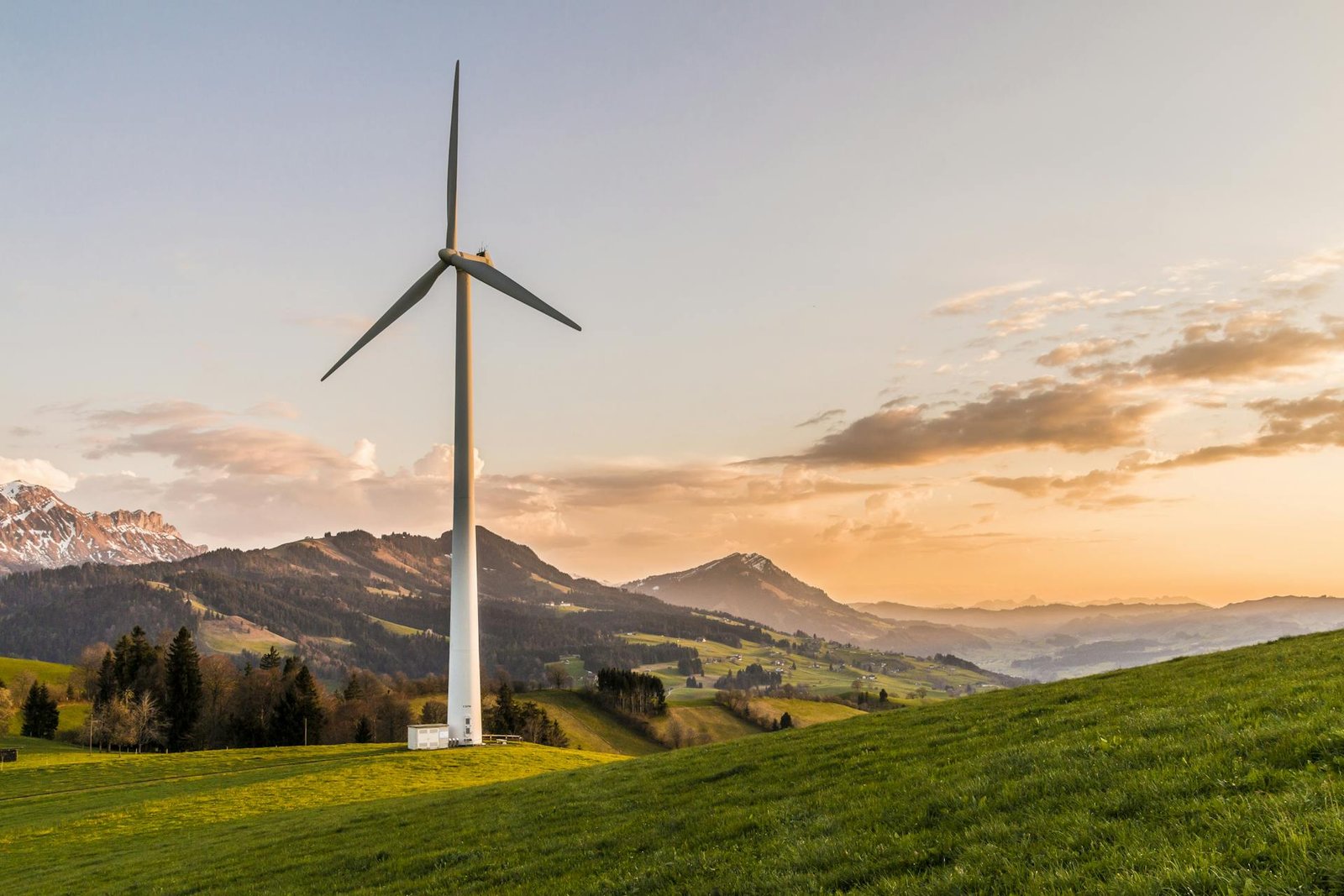
    Wind energy has emerged as one of the most promising sources of renewable power. Wind turbines convert kinetic energy from wind into electricity, providing clean energy with minimal environmental impact. With technological advancements, modern wind turbines are more efficient and capable of generating electricity in a wider range of conditions.

    Benefits of wind energy:
    • Low environmental impact: Wind energy produces no emissions during operation, making it a key player in reducing air pollution and mitigating climate change.
    • Scalability: Wind farms can be established onshore or offshore, offering flexibility in energy generation.
    • Cost-Effective: The cost of wind energy has dropped significantly, making it competitive with traditional fossil fuels.

    The future of wind energy looks bright, with offshore wind farms gaining momentum. Innovations in turbine design and materials are expected to enhance efficiency and expand the potential of this energy source.

    Solar Energy: Powering the future

    Solar energy, including thermal and photovoltaic technologies, is another critical component of the renewable energy portfolio. Solar photovoltaic (PV) systems convert sunlight directly into electricity, while solar thermal systems harness heat from the sun for applications like water heating or electricity generation through steam turbines.

    Photovoltaic (PV) Technology:
    • Ease of installation: PV systems can be installed on residential rooftops, commercial buildings, or large solar farms, offering decentralized energy production.
    • Decreasing costs: Advances in technology and manufacturing have driven down the cost of solar panels, making solar energy more accessible.
    • Low maintenance: Solar panels require minimal maintenance, further reducing the long-term costs.
    Solar thermal energy:
    • Diverse applications: Solar thermal systems are used for heating water, buildings, or industrial processes, as well as generating electricity.
    • Energy storage: Solar thermal plants can store heat in molten salt, allowing for energy production even after sunset.

    Solar energy is an ideal solution for countries with high solar irradiance, and with the global push toward energy independence, it’s expected to play a central role in the future energy grid.

    Geothermal Energy: Tapping into earth’s heat

    Geothermal energy harnesses heat from the Earth’s core to generate electricity or provide direct heating solutions. It is a reliable and consistent energy source, unaffected by weather conditions or seasonal changes.

    Benefits of geothermal energy:
    • Constant availability: Unlike solar or wind, geothermal energy is available 24/7, providing baseload power for electricity grids.
    • Low emissions: Geothermal plants have a minimal carbon footprint, emitting far less CO2 than fossil fuel-based power plants.
    • Direct use applications: Geothermal heat can be used directly for district heating, greenhouse agriculture, and even spa resorts.

    Although the geographical availability of geothermal energy is limited to regions with high tectonic activity, the potential for expansion in those areas is significant. Enhanced geothermal systems (EGS) may also unlock geothermal energy in regions where it was previously inaccessible.

    Hydropower: The power of water

    Hydropower, especially mini-hydroelectric systems, has been a long-standing renewable energy source. By converting the energy of flowing water into electricity, hydropower plants offer a clean, reliable energy source.

    Mini-Hydropower:
    • Sustainability: Small-scale hydropower systems are less disruptive to ecosystems than large dams, making them an attractive option for sustainable energy generation.
    • Community Benefits: Mini-hydropower systems can power remote communities, providing electricity access where the grid does not reach.

    While large dams can have significant environmental impacts, mini-hydropower systems provide a sustainable solution with a much smaller ecological footprint. Technological advancements continue to enhance efficiency, further boosting their appeal.

    Biomass Energy: Organic Power

    Biomass energy derives from organic materials like plant matter, agricultural waste, or wood. It can be burned to produce heat or converted into biofuels and biogas. Biomass is considered carbon-neutral since the CO2 released during combustion is roughly equivalent to the CO2 absorbed by plants during their lifecycle.

    Types of Biomass Energy:
    • Biofuels: Liquid biofuels, such as ethanol and biodiesel, are commonly used in transportation and can significantly reduce reliance on fossil fuels.
    • Biogas: Methane gas produced from organic waste in anaerobic digesters can be used for heating or electricity generation.
    • Combined heat and power (CHP): Biomass CHP systems can simultaneously generate heat and electricity, enhancing overall efficiency.

    Biomass energy has the potential to reduce waste while providing renewable energy, but it must be managed sustainably to avoid deforestation and food supply conflicts.

    Hydrogen and Fuel Cells: The energy of tomorrow

    Hydrogen is emerging as a versatile energy carrier that can be used in a wide range of applications, from electricity generation to transportation. When used in fuel cells, hydrogen produces electricity with water vapor as the only byproduct, making it a zero-emission energy source.

    Hydrogen production and fuel cells:
    • Green Hydrogen: Hydrogen can be produced using renewable energy through electrolysis, known as «green hydrogen,» which has zero emissions.
    • Fuel Cells: Fuel cells convert hydrogen into electricity, with applications in transportation, stationary power generation, and even portable devices.

    Hydrogen is seen as a key enabler of the clean energy transition, particularly for sectors like heavy industry and long-haul transportation, where direct electrification is challenging. However, scaling up hydrogen production and distribution infrastructure remains a critical challenge.

    The role of energy efficiency in sustainable energy

    While renewable energy technologies are essential for reducing emissions, energy efficiency plays an equally important role. By optimizing energy use in homes, businesses, and industries, we can reduce overall energy demand, lowering both costs and environmental impacts.

    Key strategies for energy efficiency:
    • Building design: Energy-efficient building designs, including proper insulation, lighting, and heating systems, can drastically reduce energy consumption.
    • Smart grids: Smart grid technologies enable more efficient distribution and use of electricity, reducing energy waste.
    • Industrial efficiency: Energy-efficient processes in industries such as manufacturing, mining, and agriculture can significantly reduce energy use.


    Energy efficiency and renewable energy complement each other, working together to create a more sustainable energy system. Businesses and institutions adopting these measures not only reduce their carbon footprint but also achieve significant cost savings.


    Energy market trends and policy drivers

    The renewable energy market is growing rapidly, driven by technological innovations, falling costs, and supportive government policies. Countries worldwide are setting ambitious renewable energy targets, with many aiming for net-zero emissions by 2050.

    Key market drivers:
    • Government incentives: Policies such as tax credits, subsidies, and renewable portfolio standards (RPS) are driving investment in renewable energy.
    • Corporate sustainability initiatives: Companies are increasingly committing to 100% renewable energy as part of their corporate social responsibility (CSR) strategies.
    • International climate agreements: Global climate agreements, like the Paris Agreement, are pushing countries to accelerate their renewable energy transition.

    As the renewable energy market expands, it also presents new opportunities for entrepreneurship and innovation. Startups focused on energy storage, grid management, and energy efficiency solutions are thriving in this rapidly evolving sector.

    The importance of sustainability and ethical energy practices

    Sustainability is at the heart of the renewable energy revolution. Beyond reducing emissions, it’s critical to consider the full lifecycle of energy technologies, from material extraction to end-of-life recycling. Ensuring ethical practices in the supply chain is equally important, especially when sourcing rare materials used in technologies like solar panels and batteries.

    Sustainability best practices:
    • Life Cycle Analysis (LCA): Conducting LCAs helps companies understand the environmental impacts of their products and make improvements.
    • Circular Economy: Recycling and reusing materials can reduce waste and the environmental footprint of renewable energy technologies.
    • Ethical Sourcing: Ensuring fair labor practices and responsible mining for materials like lithium and cobalt is crucial for sustainable energy development.

    By adopting a holistic approach to sustainability, energy companies can minimize negative impacts on the environment and society while contributing to global decarbonization efforts.

    A sustainable energy future
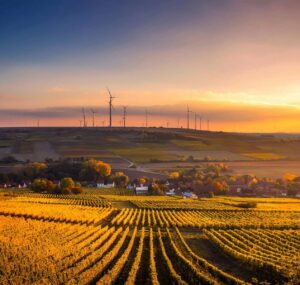
    The transition to renewable energy is crucial for combating climate change, ensuring energy security, and creating a sustainable future. Technologies like wind, solar, geothermal, biomass, and hydrogen are leading the charge, offering viable alternatives to fossil fuels. Coupled with energy efficiency measures, these technologies can drastically reduce our global carbon footprint.

    For businesses and institutions, adopting sustainable energy policies is not only a matter of corporate responsibility but also a strategic decision to reduce costs and stay competitive in a rapidly changing market.

    By investing in renewable energy, embracing sustainability, and prioritizing ethical practices, we can move toward a future where clean, reliable, and affordable energy is available to all.