Categoría: Sin categoría

  • MASTERING STARTUP MANAGEMENT: FROM VISION TO EXECUTION

    MASTERING STARTUP MANAGEMENT: FROM VISION TO EXECUTION

    Running a startup is a high-stakes blend of vision, hustle, and adaptability. While innovation drives your product, smart management ensures your startup doesn’t just survive—but thrives. Whether you’re a first-time founder or a seasoned entrepreneur entering a new venture, here are key pillars for managing a startup effectively.

    1. Start with clarity of vision

    Your startup’s mission should act as a compass—not just for you, but for your team, investors, and customers. A clear vision aligns your decisions, prioritizes resources, and creates a unified company culture from day one.

    Tip: Distill your vision into one sentence. If your team can’t repeat it, you may need to simplify.

    2. Build the right Team early

    A great idea is only as strong as the team behind it. Early hires shape the startup’s culture, work ethic, and momentum. Look for people who are not just talented, but adaptable, entrepreneurial, and aligned with your mission.

    Tip: Prioritize attitude over experience in the early stages. Skills can be taught—drive cannot.

    3. Prioritize ruthlessly

    Startups have limited time, money, and bandwidth. Managing a startup means constantly choosing what not to do. Focus on building your minimum viable product (MVP), securing early users, and validating market fit before expanding efforts.

    Tip: Use frameworks like OKRs or the Eisenhower Matrix to keep your team focused and productive.

    startup management

    4. Cash flow is king (and ig deal for startup management)

    No matter how visionary your product is, you can’t build anything without capital. Budget conservatively, extend your runway, and don’t underestimate the power of lean operations.

    Tip: Track cash weekly, not monthly. Surprises should be product wins—not financial ones.

    5. Customer feedback is a superpower

    The best product ideas often come from listening, not building. Engage with your early adopters constantly. Understand their pain points, adapt quickly, and let your roadmap evolve around validated needs—not assumptions.

    Tip: Build a feedback loop: talk → build → test → repeat.

    6. Know when to pivot (or persist)

    Every startup faces challenges—what separates success stories is knowing when to double down and when to shift gears. Use metrics, customer insight, and intuition to guide strategic decisions.

    Tip: A pivot doesn’t mean failure. It often signals learning—and growth.

    7. Lead with transparency

    Startup culture thrives on trust. Keep your team informed about goals, progress, and challenges. It builds resilience, loyalty, and ownership across your company.

    Tip: Regular all-hands updates and open-door policies help foster trust and alignment.

    Managing a startup is like building the plane while flying it. But with a clear vision, focused execution, and a team that believes in your mission, you’re not just flying—you’re charting a new course.

  • NEW RENEWABLE ENERGIES: A STEP TOWARDS A SUSTAINABLE FUTURE

    NEW RENEWABLE ENERGIES: A STEP TOWARDS A SUSTAINABLE FUTURE

    In recent years, the demand for clean and sustainable energy sources has significantly increased. As the world grapples with the effects of climate change and the depletion of fossil fuels, researchers and industries are focusing on developing new renewable energies technologies. These innovations aim to provide efficient, cost-effective, and environmentally friendly alternatives to traditional energy sources. Here, we explore some of the latest advancements in renewable energy.

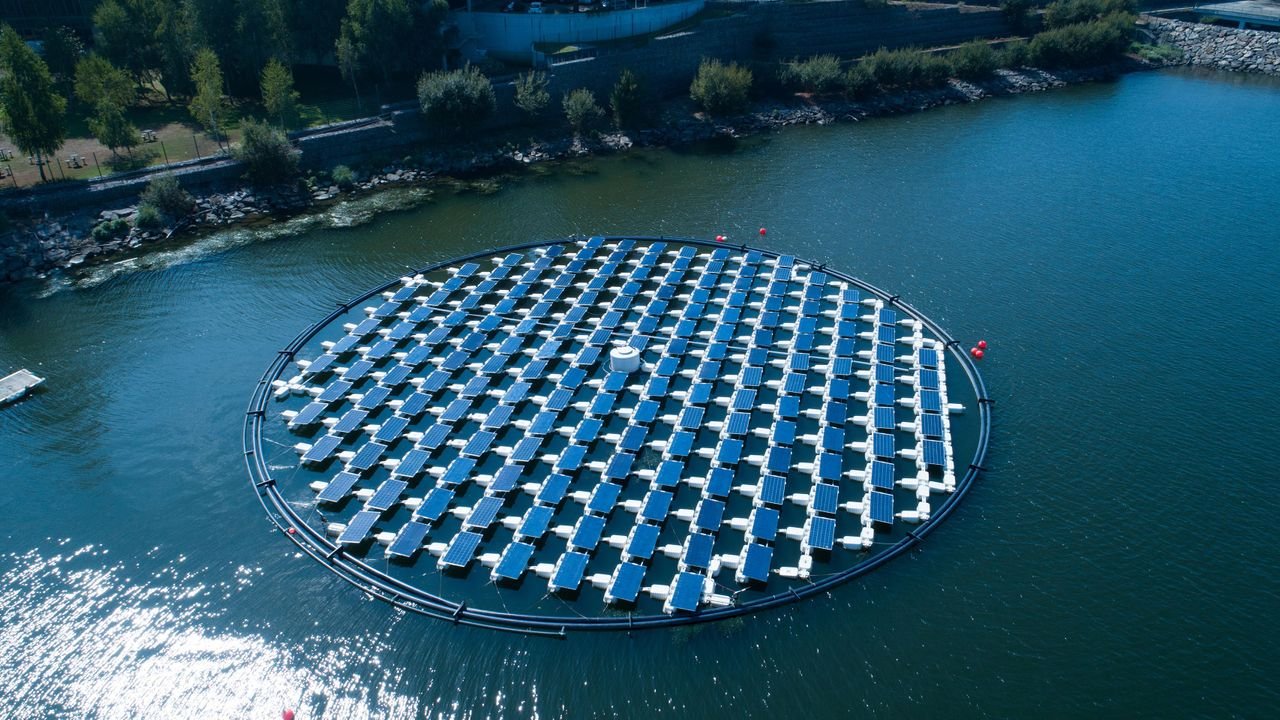
    Floating solar farms as renewable energies

    Solar energy is already a well-established renewable source, but recent developments have introduced floating solar farms. These systems consist of solar panels placed on bodies of water, such as lakes and reservoirs. Floating solar farms help conserve land space while improving energy efficiency due to the cooling effect of water. Additionally, they reduce water evaporation, making them particularly useful in regions facing water scarcity.

    Advanced wind energy systems

    Wind energy continues to evolve with the development of vertical-axis wind turbines (VAWTs) and airborne wind energy (AWE) systems. Unlike traditional horizontal-axis wind turbines, VAWTs can operate efficiently in urban environments and areas with turbulent wind patterns. On the other hand, AWE systems use tethered drones or kites to capture wind energy at higher altitudes, where wind speeds are stronger and more consistent.

    Geothermal energy innovations

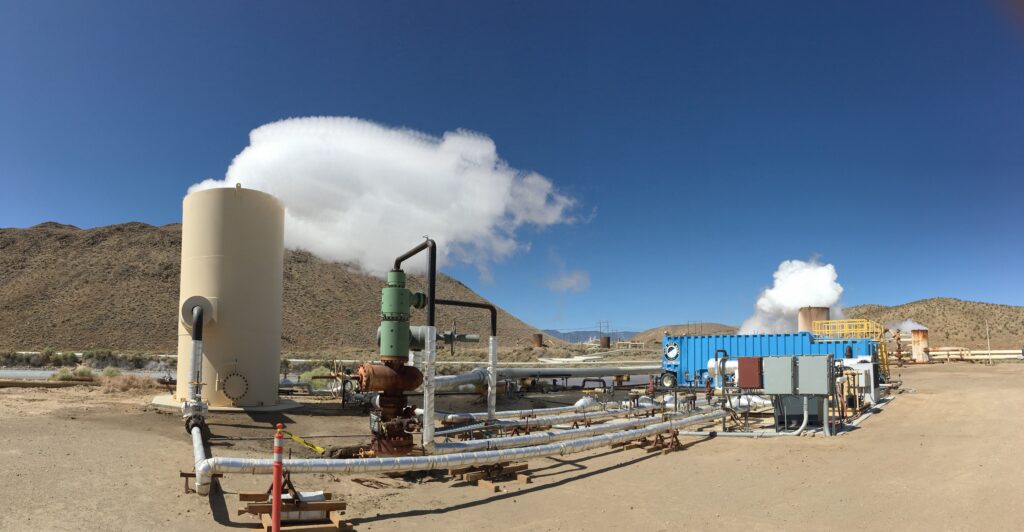
    Geothermal energy is gaining attention with advancements in enhanced geothermal systems (EGS). These systems extract heat from deep underground reservoirs, even in areas without natural geothermal activity. By injecting water into hot rock formations, EGS generates steam to power turbines, producing electricity with minimal environmental impact.

    New renewable energies

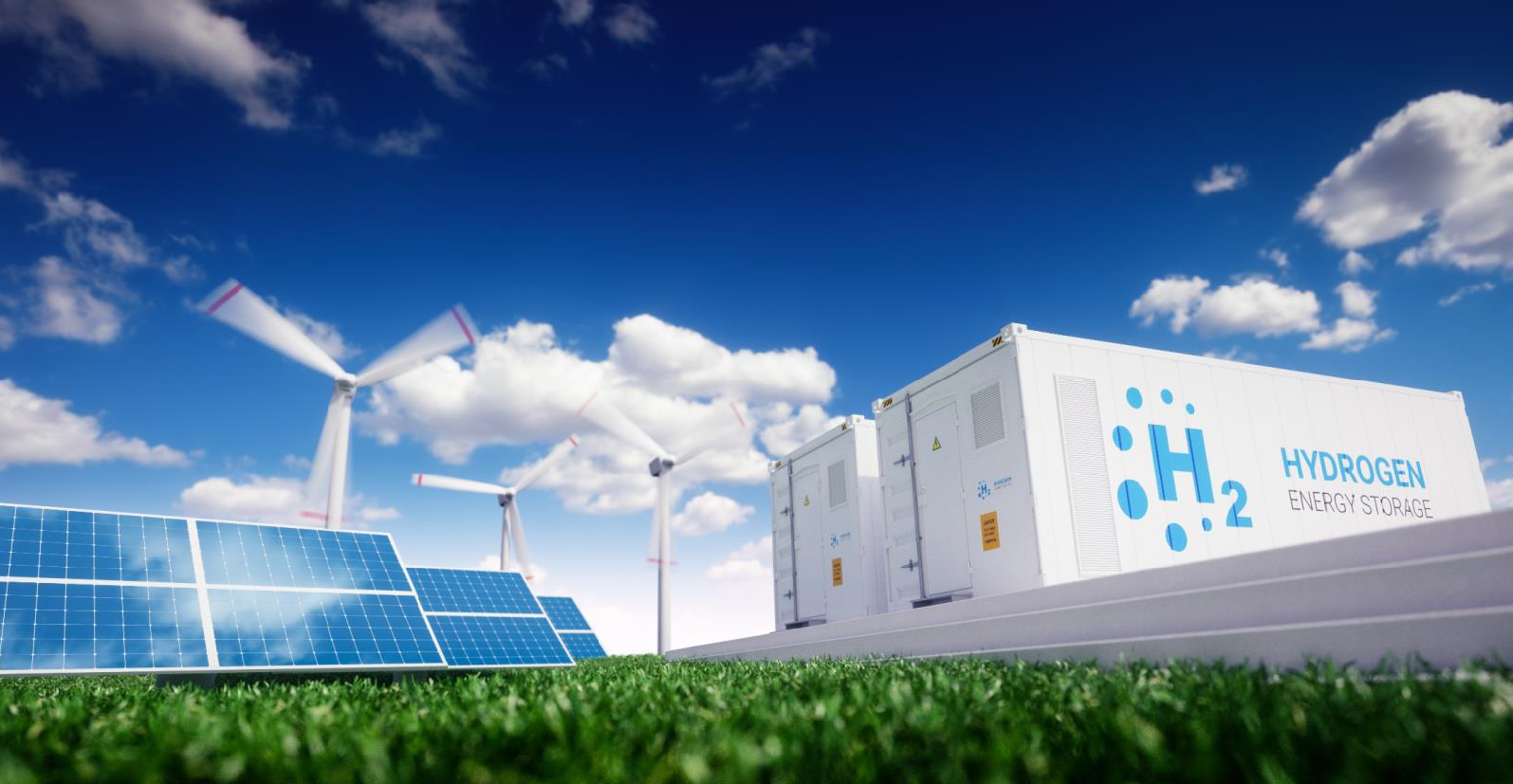
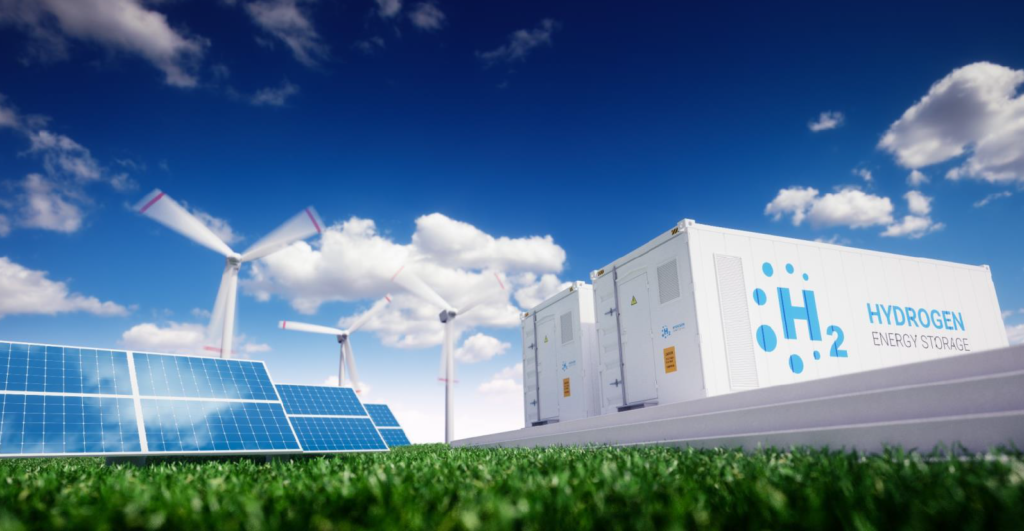
    Hydrogen as a clean energy carrier

    Hydrogen fuel is emerging as a key player in the transition to clean energy. Green hydrogen, produced through electrolysis powered by renewable energy, offers a sustainable alternative to fossil fuels. It can be used in fuel cells for transportation, energy storage, and industrial applications. The development of efficient and cost-effective electrolysis technology is making hydrogen a viable option for large-scale energy production.

    Ocean energy technologies is one of the top renewable energies

    The ocean provides vast potential for renewable energy through wave and tidal power. New technologies, such as oscillating water columns and underwater turbines, are being developed to harness energy from ocean currents. These methods offer a reliable and continuous source of power, particularly for coastal regions.

    The future of renewable energies

    The continued advancement of renewable energy technologies is essential for achieving global sustainability goals. Governments and private sectors must invest in research, infrastructure, and policies that support the adoption of clean energy solutions. By integrating these new renewable energy sources into the global energy mix, we can reduce carbon emissions, combat climate change, and create a more sustainable future for generations to come.

  • CAN RENEWABLE ENERGY STARTUPS COMPETE WITH BIG ENERGY?

    CAN RENEWABLE ENERGY STARTUPS COMPETE WITH BIG ENERGY?

    renewable energies


    The renewable energy sector is one of the most exciting spaces for startups right now. With climate change pushing the world toward greener solutions, there’s a massive demand for innovation. But there’s also a big question: Can small startups compete with giant energy corporations that have deep pockets and established infrastructure?

    The short answer? Yes—but it’s not easy. Let’s break down how renewable energy startups can carve out their place in an industry dominated by big players.

    Where Startups Have the Advantage

    Big corporations might have the money, but startups have agility. Here’s why smaller companies can make a real impact in renewable energy:

    • Innovation First – Startups aren’t tied to legacy systems. They can focus on cutting-edge technology without having to “unlearn” old ways.
    • Niche Markets – Large corporations focus on mass adoption, while startups can create specialized solutions (like off-grid solar for rural areas).
    • Sustainability as a Core Value – Unlike traditional energy companies shifting to renewables for PR, startups are built with sustainability from the ground up.

    The Challenges of Competing with Big Energy

    Of course, it’s not all smooth sailing. The biggest obstacles renewable startups face include:

    • High Initial Costs – Developing and scaling renewable energy solutions can be expensive.
    • Regulatory Hurdles – The energy sector is highly regulated, which can slow down innovation.
    • Market Trust – Many businesses and consumers still prefer established brands for their energy needs.

    How Renewable Startups Can Succeed

    Despite the challenges, many startups are thriving in the renewable space. Here’s how they do it:

    Partnering with Governments & NGOs – Many governments offer grants, incentives, and subsidies for clean energy solutions. Startups that tap into these resources can gain an edge.

    Leveraging Technology – AI, blockchain, and IoT are transforming energy management. Startups that integrate these technologies can compete more effectively.

    Crowdfunding & Green Investment – Investors are increasingly looking for sustainable ventures. Platforms like Kickstarter and green VC funds help startups raise capital.

    Final Thoughts

    The fight for a cleaner future isn’t just for big corporations—startups play a crucial role. While the road may be challenging, those who bring fresh ideas and bold strategies to the table can disrupt the industry and make a lasting impact.

    Are you working on a renewable energy startup? What challenges have you faced? Let’s talk in the comments! 

  • CYBERSECURITY FOR TECH STARTUPS

    CYBERSECURITY FOR TECH STARTUPS

    CYBERSECURITY FOR TECH STARTUPS

    Cybersecurity

    Why startups are vulnerable to cyber threats

    Tech startups often operate with limited resources and a focus on rapid growth, making them susceptible to cyberattacks. Many fail to implement robust security measures, exposing sensitive data, intellectual property, and customer trust to potential threats. Additionally, startups frequently adopt new technologies that may lack mature security frameworks, further increasing their risk exposure.

    Cybersecurity threats can result in severe financial and reputational damage. A single breach can lead to the loss of critical data, customer attrition, and regulatory penalties. Given the rapid pace of digital transformation, cybercriminals are becoming more sophisticated, exploiting vulnerabilities in cloud services, third-party software, and remote work environments.

    Common cybersecurity threats for startups

    Startups are particularly vulnerable to cyber threats due to their evolving infrastructures and, at times, lack of dedicated security teams. Some of the most prevalent threats include:

    • Phishing Attacks – Cybercriminals use deceptive emails and social engineering tactics to trick employees into revealing confidential information or clicking on malicious links.

    • Ransomware – Malicious software that encrypts a company’s data, demanding payment for its release. Ransomware attacks have escalated in recent years, often targeting small businesses with limited defenses.

    • Insider Threats – Employees, whether malicious or negligent, can expose sensitive information. Insider threats can stem from inadequate access controls and lack of monitoring systems.

    • DDoS Attacks – Overwhelming a website or service with excessive traffic, causing disruptions. These attacks can render a startup’s platform inoperable, leading to revenue loss and damaged customer trust.

    • Third-Party Vulnerabilities – Many startups rely on external vendors for critical services. A breach in a third-party provider can compromise an entire supply chain, exposing the startup to indirect attacks.

    Key strategies to strengthen cybersecurity

    To mitigate these risks, startups should prioritize cybersecurity from the outset. Key strategies include:

    1. Employee Training & Awareness – Educating team members on recognizing cyber threats and best practices for data security. Regular security training ensures that employees remain vigilant against evolving cyber threats.

    2. Secure Infrastructure – Implementing strong firewalls, encryption, and endpoint security solutions. Cloud security protocols and multi-factor authentication (MFA) should be standard across all digital platforms.

    3. Access Control Policies – Restricting sensitive data access to authorized personnel only. Role-based access control (RBAC) helps ensure that employees only have access to the information necessary for their job functions.

    4. Regular Security Audits – Conducting routine assessments to identify vulnerabilities and improve defenses. Penetration testing can simulate cyberattacks to uncover weak points in a startup’s system before real attackers do.

    5. Incident Response Plan – Preparing a clear action plan for responding to potential security breaches effectively. An incident response strategy should include data backup protocols, legal considerations, and communication guidelines for affected stakeholders.

    6. Data Encryption & Backup – Encrypting sensitive data both in transit and at rest to prevent unauthorized access. Regular backups ensure that critical information can be restored in the event of an attack or system failure.

    Business benefits of cybersecurity

    Investing in cybersecurity is not just about protection—it offers tangible business advantages, including:

    • Customer Trust & Brand Reputation – A secure business fosters confidence among clients and investors. Companies that demonstrate strong cybersecurity practices are more likely to attract long-term customers.

    • Regulatory Compliance – Many industries require compliance with strict data security regulations, such as GDPR, CCPA, and HIPAA. Failure to comply with these regulations can result in hefty fines and legal repercussions.

    • Cost Savings – Preventing cyberattacks avoids financial losses associated with breaches, legal fees, and operational downtime. The cost of proactive cybersecurity measures is significantly lower than the cost of recovering from an attack.

    • Competitive Advantage – Demonstrating a commitment to security can set a startup apart from competitors. Businesses that prioritize cybersecurity are more likely to secure partnerships, attract investors, and scale successfully in the long run.

    Cybersecurity is a critical investment for startups navigating the digital landscape. By implementing proactive security measures and fostering a culture of cyber awareness, startups can safeguard their innovation, protect stakeholder interests, and build a resilient business foundation.

  • THE RISE OF STARTUPS IN EMERGING ENERGIES: HOW TO ATTRACT INVESTMENT IN A TRANSFORMATIVE SECTOR

    THE RISE OF STARTUPS IN EMERGING ENERGIES: HOW TO ATTRACT INVESTMENT IN A TRANSFORMATIVE SECTOR

    THE RISE OF STARTUPS IN EMERGING ENERGIES: HOW TO ATTRACT INVESTMENT IN A TRANSFORMATIVE SECTOR

    Overcoming Challenges in the Energy Startup Ecosystem

    Steps to attract investment for energy startups

    1. Develop a clear value proposition

    Investors need to understand what sets your technology apart. Highlight how your solution addresses a critical energy challenge, the benefits it delivers, and why it is better than existing alternatives. Use data to support your claims and show the potential for growth.

    2. Build a strong team

    The quality of your team is often a deciding factor for investors. Demonstrate that your team has the technical expertise, business acumen, and commitment needed to execute your vision. If necessary, bring on advisors with experience in the energy sector.

    3. Show traction and results

    Even in early stages, startups should aim to show proof of concept or initial results. Pilot projects, partnerships with established players, or even letters of intent from potential customers can signal to investors that your idea has real-world potential.

    4. Leverage grants and government support

    Many governments offer grants, tax incentives, and subsidies for renewable energy projects. Securing this type of funding not only helps with costs but also signals credibility to private investors.

    5. Craft a compelling pitch

    Your pitch should tell a story that resonates with investors. Start by explaining the problem, present your solution, and clearly outline the market opportunity. Don’t forget to include financial projections, the amount of funding you need, and how you will use it to scale your business.

    Overcoming challenges in the energy startup ecosystem

    While the opportunities are vast, energy startups face unique hurdles:

    • Capital intensity: Projects often require significant upfront investment.

    • Regulatory uncertainty: Changing policies can create risks for new technologies.

    • Market entry: Competing with established energy providers can be challenging.

    To overcome these obstacles, startups should focus on building strong partnerships with industry leaders, staying informed about regulatory changes, and maintaining a flexible business model that can adapt to market demands.

    Conclusion: seizing the moment

    Emerging energies startups have a crucial role to play in the transition to a sustainable future. By focusing on innovation, building strong networks, and presenting a clear and compelling case to investors, these startups can attract the funding they need to scale their solutions.

    The energy sector’s transformation is just beginning. For startups ready to embrace the challenges and opportunities, the future holds enormous potential. By aligning their goals with investor priorities and market needs, they can help power the world toward a greener tomorrow.

  • ENERGY STORAGE INNOVATIONS: MAKING RENEWABLE ENERGY RELIABLE

    ENERGY STORAGE INNOVATIONS: MAKING RENEWABLE ENERGY RELIABLE

    Energy Storage Innovations: Making Renewable Energy Reliable


    As the world transitions to renewable energy, the need for reliable energy storage solutions has become critical. Renewable sources like solar and wind are intermittent, meaning they don’t always produce energy when demand is highest. Energy storage technologies are essential to bridge this gap, ensuring a steady and dependable energy supply. In this article, we’ll explore groundbreaking innovations in energy storage that are making renewable energy reliable and practical on a global scale.

    Understanding energy storage

    Why energy storage is essential

    Renewable energy sources rely on environmental factors—solar panels generate electricity only during the day, and wind turbines are dependent on wind availability. These fluctuations create challenges for ensuring consistent energy delivery. Energy storage systems solve this issue by capturing surplus energy during peak production and releasing it when demand is high or production is low.

    Without effective storage solutions, integrating renewables into the power grid at scale would be impossible. Energy storage not only supports grid stability but also reduces reliance on fossil fuels, advancing global sustainability goals.

    The growing demand for storage:

    The increasing deployment of renewable energy systems has driven demand for innovative storage solutions. Governments, industries, and consumers alike are recognizing the importance of energy storage for achieving net-zero emissions.

    Lithium-ion batteries: The industry leader

    Advantages of lithium-Ion technology

    Lithium-ion batteries dominate the energy storage landscape due to their high energy density, efficiency, and decreasing costs. They are widely used in applications ranging from electric vehicles (EVs) to grid-scale energy storage.

    These batteries are lightweight and can store large amounts of energy in a compact space, making them ideal for mobile and stationary energy storage needs. As advancements in technology continue, the cost of lithium-ion batteries has dropped significantly, making them more accessible for large-scale adoption.

    Integration with renewable energy systems

    Lithium-ion batteries are frequently paired with solar panels in residential and commercial setups, storing excess energy generated during the day for use at night. On a larger scale, they are used in renewable energy farms to stabilize power delivery to the grid.

    Flow batteries: A long-lasting solution

    How flow batteries work

    Flow batteries operate by storing energy in liquid electrolytes contained in separate tanks. Energy is generated through the chemical interaction of these electrolytes as they flow through the system.

    Unlike lithium-ion batteries, flow batteries can be scaled easily by increasing the size of the electrolyte tanks. This makes them particularly well-suited for grid-scale applications requiring long-duration storage.

    Key benefits for renewable energy:

    Flow batteries excel in durability, maintaining consistent performance over decades with minimal degradation. They are ideal for providing backup power and managing energy loads during peak demand periods, ensuring renewable energy sources remain reliable.

    Pumped hydro storage: A time-tested technology

    The mechanics of pumped hydro

    Pumped hydro storage involves pumping water from a lower reservoir to a higher one when excess energy is available. During periods of high energy demand, the stored water is released to flow through turbines, generating electricity.

    This system acts as a massive “battery” capable of storing large amounts of energy for extended periods.

    Advantages in renewable integration:

    As one of the oldest and most reliable energy storage methods, pumped hydro storage is widely used to support wind and solar energy farms. It provides stability to power grids by compensating for fluctuations in renewable energy production.

    Policy and investment in energy storage

    The role of policy in driving innovation

    Government policies and incentives play a crucial role in accelerating the development and adoption of energy storage technologies.

    Investment trends in energy storage:

    Increased investment in research, infrastructure, and deployment is essential for advancing energy storage solutions and integrating renewables on a global scale.

    Energy storage innovations are revolutionizing the renewable energy sector by addressing the challenges of intermittency and reliability. From lithium-ion batteries to advanced chemistries, these technologies are critical for achieving a sustainable energy future. As advancements continue, energy storage will become the cornerstone of a reliable and resilient renewable energy system.

  • HOW TO MEASURE THE IMPACT OF AN INVESTMENT

    HOW TO MEASURE THE IMPACT OF AN INVESTMENT

    HOW TO MEASURE THE IMPACT OF AN INVESTMENT

    IMPACT OF AN INVESTMENT

     Measuring the impact of an investment goes far beyond financial returns. In today’s dynamic business environment, understanding the real influence of investments is critical for both investors and businesses. Whether evaluating a startup, funding a tech initiative, or supporting sustainable projects, measuring impact requires a balance of data-driven metrics and qualitative insights. This article explores key methods and frameworks to assess the true impact of an investment, covering financial outcomes, social contributions, and long-term scalability.

    1. Defining impact: beyond financial metrics

    Traditionally, the success of an investment is measured through financial performance: revenue growth, ROI (Return on Investment), or profitability. However, modern investors increasingly focus on additional factors such as social, environmental, and operational impacts. These are commonly evaluated through:

    • Social return on investment (SROI): Quantifies the social value created by an investment in financial terms.

    • Environmental impact analysis: Assesses carbon footprint reduction, resource optimization, or sustainability improvements.

    • Operational efficiency: Measures how well an investment enhances productivity, innovation, or scalability.

    Example in practice:
    An investment in a renewable energy startup may not yield immediate financial returns. However, the long-term environmental benefits, job creation, and market innovation offer substantial value, making the investment impactful beyond pure profit.

    2. Key metrics for measuring investment impact

    To effectively measure impact, investors and businesses rely on clear, measurable metrics. Here are some key performance indicators (KPIs) used:

    • Financial metrics:

      • ROI (Return on investment)

      • IRR (Internal rate of return)

      • Revenue growth rate

    • Social and environmental metrics:

      • Number of jobs created

      • Reduction in carbon emissions

      • community development contribution

         
    • Operational metrics:

      • Customer acquisition costs

      • User adoption rates

      • Product scalability

    Why this matters:
    Combining financial metrics with social and operational KPIs provides a holistic view of an investment’s success. This allows stakeholders to understand its broader impact on society and the market.

    IMPACT OF AN INVESTMENT


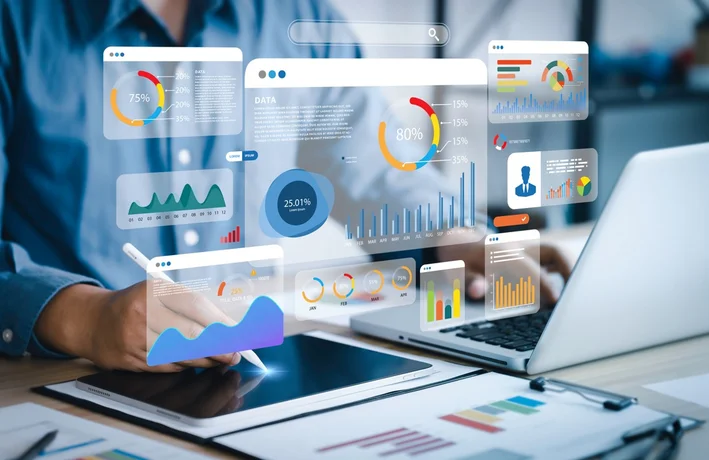
    3. Leveraging ai and data analytics for impact measurement

    Artificial Intelligence (AI) and advanced analytics are transforming how impact is measured. Traditional methods often require manual reporting and subjective evaluations. AI-driven tools offer:

    • Real-time data insights: AI platforms process vast datasets to analyze financial and non-financial outcomes accurately.

    • Predictive analytics: Tools like Power BI and Tableau forecast the long-term impact of an investment, considering growth trends and risks.

    • Automated reporting: AI minimizes human errors by automating the calculation of KPIs and generating transparent reports.

    Example in practice:
    A venture capital firm using AI analytics can track the social impact of its investments by monitoring job creation, user adoption, and carbon footprint reductions in real time, enabling smarter portfolio management.

    4. The role of esg (environmental, social, and governance) in impact evaluation

    ESG criteria have become fundamental in measuring the sustainability and ethical implications of investments. Businesses and investors increasingly adopt ESG frameworks to align financial success with social responsibility. The three pillars include:

    • Enviorommental: Impact on climate, energy consumption, and natural resources.

    • Social: Contribution to communities, diversity, and quality of life.

    • Governance: Ethical leadership, transparency, and corporate responsibility.

    Why it matters:
    Investments aligned with ESG principles tend to have long-term stability and lower risks. Investors using ESG frameworks ensure their capital contributes to a sustainable future.

    5. Long-term impact and scalability

    The true impact of an investment often unfolds over years, not months. Long-term scalability and resilience are key indicators of success. Factors to consider include:

    • Market expansion: Does the investment enable the business to scale globally?

    • Innovation and adaptability: How well does the investment support technological or process innovations?

    • Resilience to economic shocks: Is the investment sustainable during market downturns?

    Example in practice:
    An investment in a tech startup may initially focus on product development. Over time, its ability to scale, adapt to new markets, and innovate ensures a sustained and growing impact.

    6. Challenges in measuring investment impact

    While the benefits of impact measurement are clear, challenges remain:

    • Data availability: Reliable and accurate data can be difficult to obtain.

    • Subjectivity: Non-financial impacts like social change are harder to quantify.

    • Timeframe limitations: Short-term metrics may fail to capture long-term outcomes.

    To overcome these challenges, businesses and investors must:

    • Use standardized reporting frameworks (e.g., gri, iris+).
    • Invest in ai and data tools for real-time insights.
    • Combine quantitative and qualitative assessments for a comprehensive view.

    Measuring the impact of an investment requires a multi-dimensional approach that goes beyond traditional financial metrics. By incorporating social, environmental, and operational indicators, investors gain a clearer understanding of their contributions. AI tools and ESG frameworks further enhance the accuracy and transparency of impact assessments. For businesses and investors alike, prioritizing long-term, scalable impact ensures sustainable success in an increasingly complex global economy. In the end, investments that deliver measurable value to society and the environment, alongside profits, are the ones that truly stand the test of time.

  • RECENT ADVANCES IN RECYCLED MATERIALS FOR SOLAR PANEL MANUFACTURING

    RECENT ADVANCES IN RECYCLED MATERIALS FOR SOLAR PANEL MANUFACTURING

    RECENT ADVANCES IN RECYCLED MATERIALS FOR SOLAR PANEL MANUFACTURING

    In the quest for sustainability, renewable energy sources have emerged as pivotal players. Among these, solar energy stands out for its potential to provide clean, abundant power. However, as the demand for solar panels increases, so does the need for sustainable manufacturing practices. One promising approach is the use of recycled materials in the production of solar panels. This blog explores the recent advances in this field, highlighting the innovative solutions that are paving the way for a greener future.

    The importance of recycled materials in solar panel manufacturing

    The manufacturing of solar panels traditionally involves materials that have a significant environmental footprint. The extraction and processing of these materials contribute to pollution and resource depletion. By incorporating recycled materials, we can mitigate these impacts, promoting a circular economy that reduces waste and conserves natural resources. This approach not only aligns with environmental goals but also offers economic benefits by lowering production costs and creating new markets for recycled products.

    Glass recycled materials in solar panel manufacturing Glass is a critical component in solar panels, used primarily for protective coverings. Traditionally, producing high-quality glass for solar panels involves significant energy consumption and raw material usage. Recent advancements have focused on using recycled glass, which offers several benefits:

    1. Energy Savings: Recycling glass requires less energy than producing new glass from raw materials.

    2. Waste Reduction: Utilizing recycled glass helps reduce the amount of waste in landfills.

    3. Cost Efficiency: Lower production costs due to reduced material and energy expenses.

    Companies are developing technologies to process recycled glass without compromising the quality required for solar panel efficiency. These innovations ensure that the performance of solar panels is maintained while embracing sustainability.

    Recycled silicon in solar panel manufacturing

    Silicon is the backbone of solar cells, responsible for converting sunlight into electricity. The production of silicon is energy-intensive and generates significant waste. However, recycling silicon from old or damaged solar panels presents a viable solution. Advances in this area include:

    1. Silicon Recovery Processes: Innovative techniques for extracting silicon from used panels.

    2. Purification Methods: Ensuring recycled silicon meets the purity standards required for new panels.

    3. Cost Reduction: Decreasing the cost of solar panel production by reusing silicon.

    Recycling silicon not only reduces environmental impact but also addresses the growing problem of electronic waste. By reintroducing silicon into the production cycle, manufacturers can create high-quality solar cells with a lower carbon footprint.

    Plastic recycled materials in solar panel manufacturing

    Plastics are widely used in the encapsulation of solar cells, providing protection against environmental factors. Traditional plastic production relies on fossil fuels, contributing to pollution and climate change. The shift towards recycled plastics offers a sustainable alternative:

    1. Durability and Performance: Ensuring recycled plastics meet the stringent durability requirements for solar panels.

    2. Environmental Impact: Reducing reliance on virgin plastic materials and decreasing plastic waste.

    3. Innovative Applications: Developing new types of recycled plastics tailored for solar panel use.

    Research is focused on optimizing recycled plastic formulations to enhance the longevity and efficiency of solar panels, ensuring they can withstand harsh environmental conditions without degrading.

    Recycled metals in solar panel manufacturing

    Metals such as aluminum are essential for the structural components of solar panels. The extraction and processing of metals are resource-intensive and environmentally damaging. Utilizing recycled metals provides a more sustainable option:

    1. Energy Efficiency: Recycling metals consumes less energy compared to extracting and processing new metals.

    2. Resource Conservation: Preserving natural resources by reducing the need for new metal mining.

    3. Cost Savings: Lowering production costs through the use of recycled materials.

    Advancements in metal recycling technologies are enabling the production of high-quality aluminum and other metals that meet the standards required for solar panel frames and supports. These innovations help create more sustainable and cost-effective solar panel manufacturing processes.

    Case Studies: Companies leading the way

    Several companies are at the forefront of integrating recycled materials into solar panel manufacturing. For instance:

    1. First Solar: Known for its use of recycled materials in thin-film solar panels, First Solar has developed processes to recycle cadmium telluride, reducing waste and production costs.

    2. SunPower: This company focuses on high-efficiency solar panels and incorporates recycled aluminum and glass into its products.

    3. Solarcycle: A startup dedicated to recycling end-of-life solar panels, Solarcycle’s innovative methods recover valuable materials for reuse in new panels.

    These companies demonstrate the viability and benefits of using recycled materials, setting a benchmark for the industry.

    Technological innovations in recycled materials

    The integration of recycled materials into solar panel manufacturing is driven by technological innovations. Key advancements include:

    1. Advanced Sorting and Processing: Technologies that enhance the efficiency of sorting and processing recycled materials, ensuring high purity and quality.

    2. Material Enhancements: Development of additives and treatments that improve the performance of recycled materials.

    3. Manufacturing Processes: Refining manufacturing techniques to seamlessly incorporate recycled materials without compromising panel efficiency.

    These innovations are crucial for overcoming the challenges associated with using recycled materials and ensuring that they meet the rigorous demands of solar panel production.

    Environmental and economic benefits

    The use of recycled materials in solar panel manufacturing offers numerous environmental and economic benefits:

    1. Reduced Environmental Impact: Lower greenhouse gas emissions, reduced waste, and conservation of natural resources.

    2. Economic Advantages: Cost savings from reduced material and energy expenses, and the creation of new markets for recycled materials.

    3. Sustainable Growth: Promoting a circular economy that supports long-term sustainability in the solar industry.

    By embracing recycled materials, the solar industry can significantly reduce its environmental footprint while maintaining economic viability.

    Challenges and future directions

    Despite the promising advances, several challenges remain in the widespread adoption of recycled materials in solar panel manufacturing:

    1. Quality Control: Ensuring recycled materials meet the high-quality standards required for solar panels.

    2. Technological Limitations: Overcoming technical hurdles in processing and integrating recycled materials.

    3. Regulatory Barriers: Navigating regulatory frameworks that may hinder the use of recycled materials.

    Future research and development efforts are focused on addressing these challenges, with the goal of making recycled materials a standard component of solar panel manufacturing.

    The integration of recycled materials into solar panel manufacturing represents a significant step towards sustainability in the renewable energy sector. Advances in recycled glass, silicon, plastics, and metals are paving the way for more environmentally friendly and cost-effective solar panels. By continuing to innovate and overcome challenges, the solar industry can contribute to a greener future, where renewable energy is produced in harmony with the environment.

  • ENTREPRENEURSHIP IN THE ENERGY STARTUP ECOSYSTEM

    ENTREPRENEURSHIP IN THE ENERGY STARTUP ECOSYSTEM

    ENTREPRENEURSHIP IN THE ENERGY STARTUP ECOSYSTEM

    As the world grapples with the impacts of climate change and the need to transition toward sustainable energy, the role of startups in the energy sector is becoming more critical than ever. These young, innovative companies are disrupting traditional energy markets, developing breakthrough technologies, and offering new business models that prioritize sustainability, efficiency, and decentralized power generation.

    Entrepreneurship in the energy space has grown exponentially, driven by advancements in clean energy technologies, regulatory changes, and increased investor interest in sustainable solutions. From energy storage and grid management to renewables and energy efficiency solutions, energy startups are leading the way in transforming the global energy landscape.

    In this blog, we will explore the key drivers behind energy startups, the challenges they face, the role of innovation, and how they are reshaping the future of energy.

    The rise of energy startups: a response to global challenges

    Over the past decade, the energy startup ecosystem has seen remarkable growth. This rise can largely be attributed to a combination of global environmental challenges, technological advancements, and a shift in market demand. The transition from traditional fossil fuels to renewable energy is no longer just an idealistic pursuit but a necessity for both businesses and governments around the world.

     
    Key drivers of energy startups:

    • Climate change awareness: With increasing awareness of the adverse effects of climate change, there has been a push toward more sustainable energy solutions. Entrepreneurs are seizing this opportunity to create solutions that align with global environmental goals.
    • Energy decentralization: The traditional centralized energy grid is becoming obsolete as more consumers demand control over their energy production and consumption. Startups are capitalizing on this shift, offering technologies that promote decentralized energy systems.
    • Technological advancements: Innovations in areas such as solar panels, wind turbines, battery storage, and smart grid technology have lowered the barriers to entry for energy startups, enabling new businesses to compete with established energy companies.
    • Government policies and incentives: Many countries have introduced policies that promote renewable energy, provide tax incentives, and support research and development in clean energy technologies. These policies create a conducive environment for startups to thrive.

    By responding to these global challenges, energy startups are positioning themselves at the forefront of the energy transition, providing the innovations and business models necessary for a low-carbon future.

    Key sectors of innovation in energy startups

    The energy startup ecosystem spans several sectors, each with its own unique opportunities and challenges. While the renewable energy sector is perhaps the most visible, other areas like energy storage, grid management, and energy efficiency are equally important in creating a holistic and sustainable energy system.

    Renewable energy:

    Renewable energy technologies, such as solar, wind, geothermal, and hydropower, have been central to the energy startup boom. These technologies are rapidly becoming more efficient and cost-effective, making them viable alternatives to fossil fuels.

    Startups in the renewable energy sector are not only focusing on generating power but also on developing innovative solutions to store, manage, and distribute energy. Companies like Tesla (with its solar and battery storage products) and NextEra Energy have set the stage for many smaller startups that are advancing the field further.

    Energy storage:

    One of the major challenges of renewable energy is its intermittent nature. Solar and wind energy depend on environmental conditions, which can lead to periods of oversupply or scarcity. This has made energy storage a crucial area of innovation.

    Startups in this space are developing new battery technologies (such as solid-state batteries and flow batteries), as well as other storage solutions like compressed air energy storage and thermal energy storage. These innovations will play a key role in ensuring that renewable energy can be reliably stored and used as needed.

    Grid management and smart grids:

    As the number of renewable energy sources and distributed energy resources increases, managing the grid becomes more complex. Startups are working on smart grid technologies that use advanced sensors, data analytics, and AI to optimize energy distribution and consumption in real-time.

    By improving the efficiency and reliability of the energy grid, these technologies allow for better integration of renewable energy sources, reducing the risk of outages and ensuring a stable energy supply.

    Energy efficiency solutions:

    Startups are also driving innovations in energy efficiency, providing businesses and households with tools to reduce their energy consumption. This includes developing energy-efficient appliances, retrofitting buildings with smart energy management systems, and creating software platforms that help consumers track and optimize their energy use.

    By reducing energy waste, these startups contribute to a more sustainable energy system, where less energy needs to be produced in the first place.

    Challenges faced by energy startups

    While energy startups are playing a crucial role in transforming the global energy landscape, they also face significant challenges. These include high capital requirements, navigating complex regulatory environments, and scaling their solutions in a competitive market.

    Capital intensity:

    Energy startups often require significant upfront investment to develop and commercialize their technologies. Whether it’s building new renewable energy infrastructure, creating battery storage systems, or developing software for smart grids, the initial costs can be prohibitive for many startups.

    Venture capital (VC) funding in the energy sector has been growing, but not all startups have access to the necessary funds. Additionally, many investors are still hesitant to invest in energy startups due to the long development timelines and the high risks associated with these projects.

    Regulatory hurdles:

    Navigating the complex regulatory landscape is another major challenge for energy startups. Each country has its own regulations governing energy production, distribution, and consumption, and these can vary significantly between regions. Additionally, governments may change their energy policies, which can create uncertainty for startups trying to plan for the future.

    Startups must stay informed about these regulations and often need to engage with policymakers to ensure that their solutions comply with local laws.

    Scaling and commercialization:

    Scaling a new energy technology is often more difficult than creating the initial prototype. Energy startups need to prove that their solutions can be deployed at scale, which often involves testing, certification, and securing partnerships with larger energy companies or utilities.

    Moreover, startups face competition not only from other startups but also from well-established energy companies. These incumbents have more resources and market experience, which can make it difficult for startups to break through and capture market share.

    The role of innovation in the energy startup ecosystem

    Innovation lies at the core of the energy startup ecosystem. Startups are challenging the status quo and finding new ways to generate, store, and distribute energy. This is particularly important in the context of climate change, as traditional energy models are proving to be unsustainable in the long term.

    Disruptive technologies:

    Many energy startups are developing disruptive technologies that have the potential to completely reshape the energy sector. For example, advances in blockchain technology are enabling peer-to-peer energy trading, where individuals can buy and sell excess renewable energy directly to each other, bypassing traditional utilities.

    Similarly, breakthroughs in artificial intelligence (AI) and machine learning are allowing for more accurate forecasting of energy demand and supply, as well as optimizing energy storage and distribution. These innovations not only improve efficiency but also reduce the cost of energy, making renewables more competitive with fossil fuels.

    New business models:

    In addition to technological innovations, energy startups are also pioneering new business models that make energy more accessible and affordable. One example is the «as-a-service» model, where startups offer energy systems like solar panels or batteries on a subscription basis. This reduces the upfront cost for consumers and businesses, making it easier to adopt clean energy solutions.

    Another innovative model is community-owned energy projects, where local communities invest in and operate their own renewable energy sources. These projects give people more control over their energy supply and promote the decentralization of energy systems.

    The future of entrepreneurship in the energy sector

    Looking ahead, the energy startup ecosystem is poised for continued growth and innovation. As the world moves closer to a low-carbon economy, the demand for clean energy solutions will only increase, creating new opportunities for entrepreneurs to make a meaningful impact.

    Opportunities for startups:
    • Decarbonizing industries: Startups have a unique opportunity to develop solutions that help decarbonize energy-intensive industries such as manufacturing, transportation, and agriculture. Innovations in green hydrogen, carbon capture, and electrification of industrial processes will be key to reducing emissions in these sectors.
    • Energy access in developing regions: Many startups are focusing on bringing clean energy to regions that lack reliable access to electricity. Off-grid solar systems, mini-grids, and low-cost energy storage solutions are being deployed in parts of Africa, Asia, and Latin America, providing energy to millions of people who previously lived without it.
    • Collaboration with big energy players: While startups often disrupt traditional markets, they also have opportunities to collaborate with established energy companies. By partnering with large utilities or oil and gas companies, startups can scale their technologies faster and gain access to new markets.
    The role of government and investors:

    Governments and investors will continue to play a critical role in supporting the growth of energy startups. Governments can create favorable regulatory environments, provide funding through grants and subsidies, and set ambitious climate targets that drive demand for clean energy solutions.

    Investors, on the other hand, need to take a long-term view of their investments in energy startups. While the energy sector often requires more time and capital to achieve returns compared to other industries, the potential for high impact and financial success is significant.

    Entrepreneurship in the energy startup ecosystem is more than just a business opportunity—it’s a necessary step toward a sustainable and resilient energy future. These startups are driving the innovation needed to transition away from fossil fuels, improve energy efficiency, and empower consumers to take control of their energy consumption.