
The rapid growth of artificial intelligence, cloud computing, and digital infrastructure is creating an unprecedented demand for data processing. Behind every AI model, streaming platform, and cloud service lies a vast network of data centers consuming enormous amounts of electricity. As global digital demand accelerates, the technology sector is now facing a critical challenge: how to scale computing power while reducing environmental impact. This has sparked a new global race — the race for green data centers.
For investors, startups, and infrastructure developers, this shift represents one of the most important opportunities at the intersection of energy, technology, and sustainability.
THE ENERGY CHALLENGE BEHIND AI
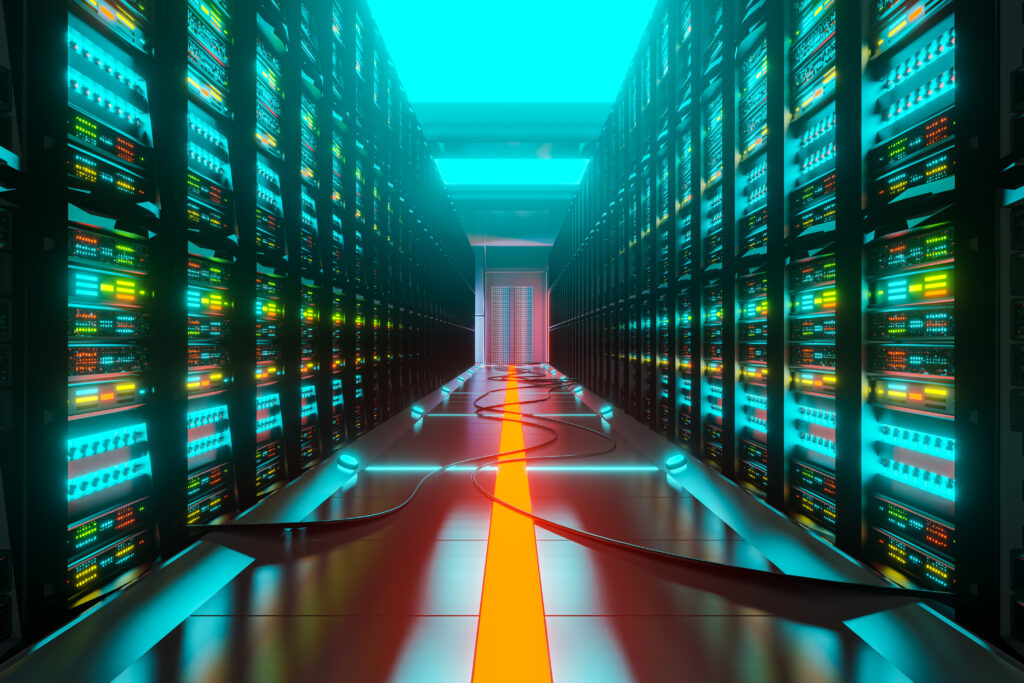
The explosion of AI technologies has dramatically increased the power requirements of data centers. Training large machine learning models requires massive computational resources, and operating them at scale demands continuous energy supply.
According to industry estimates, data centers could account for up to 8–10% of global electricity demand by 2030 if current trends continue.
The main energy challenges include:
- High electricity consumption
- Cooling requirements
- Infrastructure expansion
- Carbon emissions from fossil-powered grids
Without significant innovation in energy sourcing and efficiency, the digital economy risks becoming a major contributor to global emissions.
WHY GREEN DATA CENTERS ARE BECOMING ESSENTIAL
Green data centers aim to minimize environmental impact while maintaining high computing performance. Their design integrates renewable energy, advanced cooling systems, and energy-efficient infrastructure.
Key elements include:
1. Renewable Energy Integration
Many technology companies are increasingly powering their facilities with solar, wind, and other renewable sources. Long-term Power Purchase Agreements (PPAs) have become a common strategy to secure clean electricity.
2. Advanced Cooling Technologies
Cooling accounts for a significant portion of data center energy use. New approaches such as liquid cooling, immersion cooling, and AI-optimized temperature control can significantly reduce power consumption.
3. Energy Storage and Grid Optimization
Energy storage systems allow data centers to balance intermittent renewable generation and ensure uninterrupted operation. Battery technology and smart grid integration are becoming critical components.
4. Efficient Hardware and AI Optimization
Chip manufacturers and software developers are designing systems that deliver more computing power per watt, dramatically improving energy efficiency.
INVESTMENT OPPORTUNITIES IN GREEN DATA INFRASTRUCTURE
The shift toward sustainable digital infrastructure is opening new opportunities across several sectors.
Climate Tech Startups
Startups are developing innovative cooling technologies, energy optimization software, and infrastructure management platforms designed specifically for green data centers.
Renewable Energy Providers
Data centers are becoming some of the largest buyers of renewable electricity, driving demand for large-scale solar and wind projects.
Energy Storage Solutions
Reliable storage systems are essential to maintain uptime while using intermittent renewable energy sources.
Smart Grid Technologies
Digital infrastructure is pushing utilities to develop smarter grids capable of balancing large and variable energy loads.
THE RISE OF SUSTAINABLE HYPERSCALE INFRASTRUCTURE
Major technology companies are already moving aggressively toward greener infrastructure, committing to carbon neutrality and renewable energy sourcing for their global data center networks.
These hyperscale facilities are setting new industry standards in energy efficiency, renewable integration, and sustainability reporting.
However, the challenge goes beyond large tech companies. As AI adoption spreads across industries, thousands of new data centers will need to be built worldwide, making sustainability a central design priority.
THE FUTURE: AI POWERING SUSTAINABLE INFRASTRUCTURE
Interestingly, the same technology that is driving demand for data centers may also help solve the sustainability challenge.
Artificial intelligence can optimize energy use, predict cooling needs, and dynamically manage workloads to reduce power consumption. AI-driven energy management systems are already helping facilities reduce electricity use significantly.
In the coming years, the most successful digital infrastructure projects will be those that combine computing performance with sustainable energy systems.
The race for green data centers reflects a broader transformation of the digital economy. As AI, cloud computing, and global connectivity continue to grow, the pressure to power this infrastructure sustainably will only intensify.
For investors, entrepreneurs, and policymakers, the convergence of AI, renewable energy, and sustainable infrastructure represents one of the most promising areas of innovation in the coming decade.
Green data centers are no longer a niche concept — they are becoming the foundation of the future digital economy.