Autor: fundtechventures2024@gmail.com

  • THE RACE FOR CRITICAL MINERALS IS RESHAPING GLOBAL POWER

    THE RACE FOR CRITICAL MINERALS IS RESHAPING GLOBAL POWER

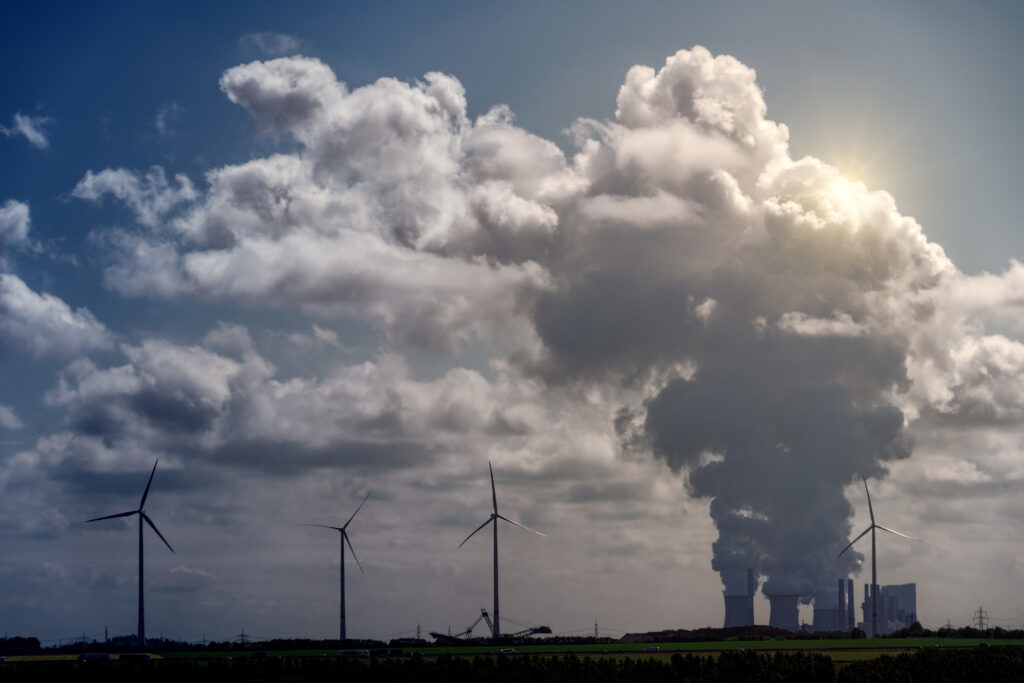
    As the world accelerates toward electrification and clean energy, a silent battle is unfolding behind the scenes. From lithium and copper to rare earth elements, critical minerals are rapidly becoming the most strategic resources of the global economy — reshaping alliances, investment flows, and the balance of geopolitical power.

    THE RACE FOR CRITICAL MINERALS IS RESHAPING GLOBAL POWER

    WHY LITHIUM, COBALT, NICKEL AND RARE EARTHS ARE BECOMING THE FOUNDATION OF THE NEXT ECONOMIC ERA

    The global energy transition is no longer only about solar panels, wind farms, or electric vehicles. Behind every battery, semiconductor, data center, and renewable infrastructure project lies a far less visible battle: the race for critical minerals.

    Lithium, cobalt, nickel, graphite, copper, and rare earth elements have rapidly evolved from industrial commodities into strategic geopolitical assets. Governments, investors, and multinational corporations are now competing to secure stable access to these materials as demand accelerates at historic speed.

    In many ways, critical minerals are becoming the oil of the 21st century. But unlike oil, the supply chains behind these resources are highly concentrated, politically fragile, and environmentally complex. This combination is reshaping international alliances, industrial strategies, and the future of global economic power.

    THE ENERGY TRANSITION DEPENDS ON MINERALS

    Every clean energy technology relies heavily on mineral-intensive manufacturing.

    Electric vehicles require large quantities of lithium, nickel, cobalt, manganese, and graphite for battery production. Wind turbines depend on rare earth magnets. Solar panels require silicon, silver, aluminum, and copper. Grid-scale energy storage systems demand enormous amounts of battery materials, while AI infrastructure and advanced semiconductors continue increasing global demand for copper and rare earth elements.

    The scale of future consumption is difficult to overstate.

    As countries accelerate decarbonization targets and electrification strategies, mineral demand is projected to multiply several times over during the next two decades. Copper demand alone is expected to rise dramatically due to the expansion of electrical grids, EV charging infrastructure, and renewable energy systems.

    This shift is creating an unprecedented industrial transformation where access to raw materials is becoming just as important as technological innovation itself.

    CHINA’S DOMINANCE HAS CHANGED THE GAME

    One of the most important realities in the global mineral economy is China’s dominant position across critical supply chains.

    While many countries possess mineral reserves, China spent decades investing in refining capacity, processing infrastructure, and global mining partnerships. Today, the country controls a substantial share of the world’s lithium processing, cobalt refining, rare earth production, and battery manufacturing.

    This dominance has given Beijing significant leverage over industries that are central to the global energy transition.

    Western governments increasingly view this dependency as a strategic vulnerability. As a result, the United States, the European Union, Canada, Australia, Japan, and South Korea are all implementing aggressive policies designed to diversify mineral supply chains and reduce reliance on Chinese processing capabilities.

    The result is a new era of industrial policy where governments are directly supporting mining projects, refining facilities, and domestic manufacturing ecosystems.
    THE RACE FOR CRITICAL MINERALS IS RESHAPING GLOBAL POWER

    AFRICA AND LATIN AMERICA ARE BECOMING STRATEGIC HOTSPOTS

    Many of the world’s largest untapped mineral reserves are located in developing economies.

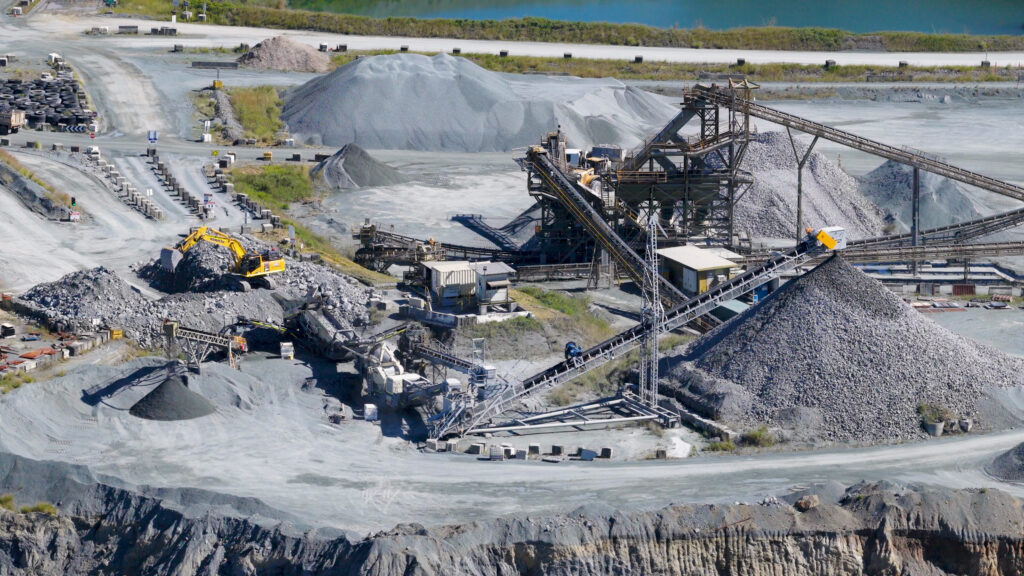
    The Democratic Republic of Congo dominates global cobalt production. Chile and Argentina sit at the center of the lithium triangle. Indonesia has become a major force in nickel production. Namibia, Zambia, and several African nations are increasingly attracting investment linked to copper and rare earth development.

    This has created both opportunity and risk.

    On one hand, critical minerals could generate massive economic growth, infrastructure investment, and industrial development across emerging markets. Countries rich in mineral resources have the potential to become central players in the clean energy economy.

    On the other hand, concerns around political instability, corruption, labor practices, environmental degradation, and resource nationalism continue to complicate investment decisions.

    Governments are now trying to avoid repeating the historical pattern where raw materials are exported without building local value chains. Increasingly, mineral-producing nations are demanding domestic processing facilities, local employment commitments, and industrial partnerships as conditions for foreign investment.

    THE NEW INDUSTRIAL ARMS RACE

    Critical minerals are no longer only an energy issue. They are also a national security issue.

    Countries now understand that whoever controls the supply chains behind batteries, semiconductors, and advanced manufacturing technologies will hold enormous economic and geopolitical influence in the coming decades.

    This explains why governments are introducing massive subsidy programs and strategic investment frameworks.

    The United States launched the Inflation Reduction Act to strengthen domestic clean technology manufacturing and mineral sourcing. Europe introduced the Critical Raw Materials Act to improve supply chain resilience. Meanwhile, countries across Asia and the Middle East are investing heavily in refining infrastructure and downstream industrial capacity.

    What we are witnessing is effectively a global industrial arms race centered around energy, technology, and resource security.

    Unlike previous eras of globalization, efficiency is no longer the only priority. Resilience, strategic autonomy, and supply chain control are becoming equally important.

    INVESTORS ARE SHIFTING THEIR FOCUS

    For investors, the critical minerals sector represents one of the most significant long-term opportunities linked to the energy transition.

    Capital is increasingly flowing into lithium extraction technologies, battery recycling startups, copper mining projects, refining facilities, and alternative battery chemistries designed to reduce dependency on scarce materials.

    Private equity firms, sovereign wealth funds, and venture capital investors are all expanding their exposure to the sector.

    Battery recycling in particular is emerging as a major area of innovation. As EV adoption increases, recycling infrastructure could become essential for recovering valuable minerals while reducing pressure on global mining supply.

    At the same time, geopolitical risk is becoming a core investment variable.

    Mining projects now face growing scrutiny around ESG standards, local political conditions, permitting processes, and environmental impact. Investors are increasingly aware that securing long-term access to critical minerals requires not only financial capital, but also political stability and sustainable operational practices.

    TECHNOLOGY MAY REDUCE DEPENDENCY — BUT NOT ELIMINATE IT

    Many companies are attempting to reduce exposure to critical mineral shortages through technological innovation.

    Battery manufacturers are developing chemistries that use less cobalt or nickel. Researchers are exploring sodium-ion batteries as alternatives to lithium-ion systems. Recycling technologies are improving rapidly, while advanced extraction methods aim to increase efficiency and reduce environmental damage.

    However, most experts agree that technological advances alone will not eliminate the need for large-scale mineral production.

    The scale of global electrification is simply too large.

    Even with breakthroughs in recycling and battery innovation, the world will still require massive investment in mining, refining, and supply chain infrastructure throughout the coming decades.

    THE FUTURE OF GLOBAL POWER MAY LOOK VERY DIFFERENT

    The transition toward a clean energy economy is often framed as an environmental transformation. In reality, it is also a geopolitical and economic restructuring of global power.

    Countries that control critical mineral supply chains could gain extraordinary strategic advantages. Nations unable to secure reliable access may face industrial vulnerability, rising costs, and technological dependence.

    This shift is already changing international diplomacy, trade agreements, and investment strategies.

    In the years ahead, the most influential economies may not simply be the ones that develop the best technology, but the ones capable of securing the resources needed to build and scale it.

    The race for critical minerals is therefore about far more than mining.

    It is about who will shape the next industrial era.

  • THE RISE OF AFRICA’S GREEN HYDROGEN ECONOMY

    THE RISE OF AFRICA’S GREEN HYDROGEN ECONOMY

    Africa is rapidly positioning itself as one of the most promising regions for green hydrogen production. With abundant solar and wind resources, vast land availability, and proximity to key export markets like Europe, the continent holds a structural advantage that few regions can match.

    Countries such as Morocco, Namibia, Egypt, and South Africa are already moving beyond announcements into early-stage project development. What was once considered a long-term opportunity is now entering a decisive decade.

    The shift is not accidental. As Europe accelerates its decarbonization agenda and seeks to reduce dependency on fossil fuel imports, green hydrogen has become a strategic priority—and Africa is emerging as a natural partner.

    THE RESOURCE ADVANTAGE: CHEAP RENEWABLE ENERGY AT SCALE

    The economics of green hydrogen depend heavily on the cost of renewable electricity. This is where Africa stands out.

    Regions like North Africa and Sub-Saharan Africa benefit from some of the highest solar irradiation levels in the world, alongside strong wind corridors. This allows for significantly lower Levelized Cost of Energy (LCOE), which directly translates into more competitive hydrogen production.

    In markets like Namibia and Mauritania, projected hydrogen production costs could become among the lowest globally, potentially undercutting established energy exporters over time.

    This cost advantage is not just theoretical—it is already attracting international developers and institutional capital.

    MAJOR PROJECTS SIGNAL REAL MOMENTUM IN AFRICA

    Several large-scale projects are turning Africa’s hydrogen ambitions into tangible pipelines:

    • Namibia’s Hyphen Project: A multi-billion-dollar initiative aiming to produce green hydrogen and ammonia for export, backed by international investors.
    • Morocco’s Hydrogen Roadmap: Leveraging its proximity to Europe and existing renewable capacity.
    • Egypt’s SCZone Projects: Positioned around the Suez Canal, targeting global shipping and industrial demand.

    These projects are not isolated. They signal the beginning of an ecosystem, including ports, desalination plants, transmission infrastructure, and export terminals.

    EUROPEAN DEMAND IS THE KEY DRIVER

    Europe’s hydrogen strategy is one of the strongest demand signals globally.

    Under its decarbonization targets, the EU is expected to import millions of tons of green hydrogen by 2030. Domestic production alone will not be sufficient, creating a structural import gap.

    Africa, particularly North Africa, is geographically advantaged to fill this gap through pipelines and maritime routes. This dynamic is already shaping bilateral agreements, funding mechanisms, and long-term offtake discussions.

    In many ways, this resembles a new version of historical energy trade flows—but with renewables at the core.

    THE INVESTMENT OPPORTUNITY: INFRASTRUCTURE AT THE CORE

    While early attention has focused on hydrogen production, the real investment story goes far beyond generation.

    Key opportunity areas include:

    • Transport and export infrastructure (ports, pipelines, ammonia terminals)
    • Water desalination systems
    • Grid expansion and hybrid renewable systems
    • Industrial clusters linked to hydrogen use

    This is capital-intensive, long-term infrastructure—meaning returns will depend on execution, policy stability, and demand certainty.

    For investors, this is less about quick startup exits and more about strategic positioning in a future global energy system.

    THE RISE OF AFRICA GREEN HYDROGEN ECONOMY

    KEY RISKS: EXECUTION, POLICY, AND GLOBAL COMPETITION IN AFRICA

    Despite the strong narrative, significant risks remain.

    Execution risk is high. These are complex, multi-billion-dollar projects requiring coordination across governments, developers, and financiers.

    Policy frameworks in many African countries are still evolving, creating uncertainty around regulation, incentives, and land use.

    At the same time, Africa is not alone. Regions like the Middle East, Australia, and Latin America are also competing to become hydrogen export leaders.

    The window of opportunity is real—but not guaranteed.

    BEYOND EXPORTS: A LOCAL INDUSTRIAL REVOLUTION?

    One of the most critical questions is whether Africa will capture value beyond raw hydrogen exports.

    Green hydrogen has the potential to support local industrialization, including:

    • Fertilizer production
    • Green steel manufacturing
    • Domestic energy systems

    If executed correctly, this could transform hydrogen from an export story into a broader economic development engine.

    If not, Africa risks replicating traditional extractive models—exporting raw energy while importing finished goods.

    AFRICA: A DEFINING DECADE AHEAD

    Africa’s green hydrogen economy is no longer a distant vision—it is an emerging reality.

    The combination of natural resources, strategic geography, and growing global demand creates a unique opportunity. However, success will depend on execution, infrastructure development, and the ability to move beyond pilot projects into large-scale deployment.

    For investors and industry players, the message is clear: Africa is not just part of the energy transition—it could become one of its central pillars.

  • GLOBAL GROWTH: WHEN CLEAN ENERGY STARTED POWERING THE WORLD

    GLOBAL GROWTH: WHEN CLEAN ENERGY STARTED POWERING THE WORLD

    For decades, global energy systems followed a predictable pattern: every increase in electricity demand was met by a combination of fossil fuels and incremental renewable capacity. That relationship defined industrial growth, geopolitical power, and investment flows.

    In 2025, that pattern fundamentally changed. For the first time in modern history, all incremental global electricity demand was met by clean energy sources. This is not a symbolic milestone. It is a structural inflection point in how global growth is powered.

    The significance lies not in total energy mix, but in the marginal dynamic. Global systems evolve at the margin, and the marginal unit of electricity growth is now decarbonized. Once this threshold is crossed, the direction of the system becomes increasingly difficult to reverse.

    THE TURNING POINT: WHEN CLEAN ENERGY STARTED POWERING ALL GLOBAL GROWTH

    GLOBAL GROWTH IS DECOUPLING FROM FOSSIL FUELS

    The traditional assumption that economic and energy growth must be tightly coupled to fossil fuel expansion is no longer valid. Clean energy technologies, particularly solar and wind, have reached a cost and deployment advantage that allows them to absorb all new demand growth in electricity markets.

    This shift is driven less by policy and more by economics. The levelized cost of electricity from renewables has fallen to a point where they are increasingly the default option for new capacity additions. Capital is flowing not because of ideological alignment, but because of structural competitiveness.

    As a result, global growth in electricity demand is no longer a proxy for fossil fuel expansion. This represents a quiet but profound decoupling of growth from carbon intensity.

    GLOBAL GROWTH AND THE RISE OF CHINA AS THE SYSTEMIC ANCHOR

    No analysis of this transition is complete without acknowledging the central role of China. The country has become the dominant force across the clean energy value chain, from manufacturing to deployment at scale.

    China’s role is not limited to participation in the transition; it is actively shaping its pace and cost structure. Massive investment in solar, wind, and grid infrastructure has enabled deployment rates that outpace all other major economies combined.

    This concentration of capability creates a dual reality. On one hand, it accelerates global decarbonization by driving down costs. On the other, it introduces systemic dependency risks, particularly in supply chains, pricing dynamics, and geopolitical exposure.

    For investors, China is no longer a variable in the system. It is part of the system itself.

    GLOBAL GROWTH CONSTRAINTS SHIFT FROM GENERATION TO INFRASTRUCTURE

    While generation capacity in renewables is scaling rapidly, the constraints in the system are shifting elsewhere. The primary bottlenecks are no longer about producing enough clean energy, but about integrating and distributing it efficiently.

    Grid infrastructure, storage capacity, and transmission networks are becoming the limiting factors for continued expansion. In many regions, renewable generation is already outpacing the ability of the system to absorb it efficiently.

    This introduces a new type of risk: not scarcity of energy, but inefficiency in its utilization. As a result, the next phase of investment will be defined less by generation assets and more by enabling infrastructure.

    GLOBAL GROWTH IN A WORLD OF ENERGY ABUNDANCE

    A less discussed consequence of this shift is the emergence of localized energy abundance. As renewable penetration increases, electricity prices in certain markets are beginning to reflect periods of oversupply, particularly during peak solar and wind generation.

    This introduces volatility into systems that were historically designed around stable, dispatchable energy sources. Business models that depend on predictable pricing structures will need to adapt to a more dynamic environment.

    Energy abundance does not eliminate complexity; it redistributes it. The challenge is no longer access to energy, but managing its variability.

    FROM TRANSITION TO INFRASTRUCTURE REALITY

    The implications for investors are significant. The early phase of climate tech investment was driven by broad narratives around transition and decarbonization. That phase is maturing.

    What comes next is a more selective environment, defined by operational efficiency, infrastructure constraints, and system integration challenges.

    Value creation is increasingly concentrated in areas that solve structural bottlenecks: grid optimization, energy storage, demand flexibility, and digital infrastructure for energy management.

    Capital-intensive models without clear scalability or profitability pathways will face increasing pressure in this new environment. The investment lens is shifting from thematic exposure to system-level functionality.

    GLOBAL GROWTH AS A STRUCTURAL TURNING POINT

    The most important implication of this shift is not that clean energy is growing, but that fossil fuels are no longer required to support growth in global electricity demand.

    This represents a structural break in the historical relationship between energy and economic expansion. Once growth can be sustained without incremental fossil fuel input, the trajectory of the system changes permanently.

    Transitions of this nature do not occur through sudden replacement. They occur through marginal displacement, until the legacy system becomes progressively less relevant.

    That process has now begun.

  • THE DARK SIDE OF CARBON OFFSETS

    THE DARK SIDE OF CARBON OFFSETS

    Carbon offsets have become one of the most widely used tools in the fight against climate change. From multinational corporations to early-stage startups, companies across industries are purchasing offsets to claim “carbon neutrality” and meet sustainability targets.

    But behind the rapid growth of the voluntary carbon market lies a more complex and controversial reality. Questions around transparency, effectiveness, and integrity are raising concerns among investors, regulators, and climate experts.

    As scrutiny increases, understanding the limitations—and risks—of carbon offsets is becoming essential for anyone operating in climate tech.

    carbon offsets

    WHAT ARE CARBON OFFSETS REALLY BUYING?

    At their core, carbon offsets are designed to compensate for emissions by funding projects that either remove carbon dioxide from the atmosphere or prevent future emissions.

    These projects range from reforestation and afforestation initiatives to renewable energy developments and methane capture systems. In theory, one carbon credit equals one ton of CO₂ avoided or removed.

    However, the simplicity of this concept often masks a much more complicated reality.

    THE PROBLEM OF ADDITIONALITY

    One of the biggest challenges in the carbon offset market is “additionality”—the idea that a project would not have happened without the funding from carbon credits.

    In many cases, this is difficult to prove. Renewable energy projects, for example, are increasingly cost-competitive on their own. If a wind farm would have been built anyway, can its emissions reductions truly be counted as offsets?

    Without clear additionality, the environmental value of many credits becomes questionable.

    OVER-CREDITING AND INFLATED IMPACT OF CARBON OFFSETS

    Another major issue is over-crediting. Some projects may issue more carbon credits than the actual emissions they reduce or remove.

    This can happen due to flawed methodologies, optimistic assumptions, or lack of accurate data. The result is a system where companies may believe they are offsetting their emissions, while in reality, the impact is significantly lower.

    For investors, this creates a fundamental trust problem in the market.

    PERMANENCE AND REVERSAL RISKS

    Not all carbon reductions are permanent. Nature-based solutions like forests are particularly vulnerable to this issue.

    Wildfires, deforestation, or changes in land use can reverse the carbon storage achieved by these projects. A forest that burns down releases its stored carbon back into the atmosphere, effectively undoing the offset.

    This raises an important question: how “permanent” is a carbon credit?

    THE GREENWASHING CONCERN

    Perhaps the most visible criticism of carbon offsets is their role in enabling greenwashing.

    Companies may rely heavily on offsets instead of reducing their actual emissions. This creates a misleading narrative where organizations appear sustainable without making meaningful operational changes.

    For consumers and stakeholders, distinguishing between genuine climate action and marketing becomes increasingly difficult.

    MARKET FRAGMENTATION AND LACK OF STANDARDS

    The voluntary carbon market is still highly fragmented. Multiple standards, registries, and verification bodies operate with varying levels of rigor.

    This lack of standardization makes it difficult to compare credits or assess their quality. It also creates opportunities for low-quality projects to enter the market.

    Efforts to improve transparency and establish global standards are underway, but the ecosystem remains far from unified.

    WHY INVESTORS SHOULD PAY ATTENTION TO CARBON OFFSETS

    Despite these challenges, carbon markets are expected to grow significantly in the coming years. For investors, this presents both opportunity and risk.

    High-quality carbon projects—particularly those focused on durable carbon removal technologies—are likely to become increasingly valuable. At the same time, exposure to low-integrity credits could lead to reputational and financial downsides.

    Due diligence in this space must go beyond surface-level metrics and marketing claims.

    TOWARD A MORE CREDIBLE CARBON MARKET

    The future of carbon offsets will depend on increased transparency, stricter verification, and better alignment with real emissions reductions.

    Technological innovation is already playing a role, with startups using satellite data, AI, and blockchain to improve monitoring and accountability.

    At the same time, there is growing consensus that offsets should complement—not replace—direct decarbonization efforts.

    Carbon offsets are not inherently flawed, but the current system has significant weaknesses that cannot be ignored.

    As the climate tech ecosystem matures, the focus is shifting from quantity to quality. For companies and investors alike, the challenge is no longer just participating in the carbon market, but doing so with credibility and impact.

    In the end, offsets may still play a role in the transition—but they are far from a silver bullet.

  • HOW TO BUILD A CLIMATE TECH PORTFOLIO THAT ACTUALLY PERFORMS

    HOW TO BUILD A CLIMATE TECH PORTFOLIO THAT ACTUALLY PERFORMS

    Climate tech has evolved far beyond a passing investment trend. What was once considered a niche sector is now at the center of global economic transformation. Governments are tightening regulations, corporations are committing to decarbonization targets, and capital is increasingly flowing toward sustainable solutions.

    Yet, despite this momentum, many climate tech portfolios fail to deliver consistent returns. The reason is simple: investors often approach the sector with a traditional venture mindset or, worse, chase hype cycles without fully understanding the complexity of the ecosystem.

    Building a portfolio that actually performs requires a more nuanced approach—one that combines strategic diversification, regulatory awareness, and a deep understanding of how these technologies scale over time.

    HOW TO BUILD A CLIMATE TECH PORTFOLIO THAT ACTUALLY PERFORMS

    DIVERSIFICATION IS NOT OPTIONAL—IT’S FUNDAMENTAL

    A common pitfall in climate tech investing is overexposure to a single segment, particularly renewable energy generation. While solar and wind have become synonymous with the energy transition, they represent only one piece of a much larger system.

    A high-performing portfolio reflects the interconnected nature of the climate ecosystem. Energy generation must be complemented by storage solutions that address intermittency, grid infrastructure that enables distribution, and digital technologies that optimize performance. Mobility, industrial decarbonization, and carbon management solutions also play critical roles in shaping the broader landscape.

    By diversifying across this value chain, investors not only reduce their exposure to sector-specific risks but also position themselves to benefit from multiple growth drivers simultaneously. In a market where technological bottlenecks and regulatory changes can quickly shift dynamics, this kind of balance becomes a key source of resilience.

    THE IMPORTANCE OF STAGE BALANCE IN A CAPITAL-INTENSIVE SECTOR

    Climate tech is fundamentally different from traditional software investing. Many solutions require significant upfront capital, longer development cycles, and more complex paths to commercialization. This makes stage allocation particularly important.

    Early-stage investments often carry the promise of breakthrough innovation. These companies are typically developing novel technologies that could redefine entire industries. However, they also come with higher technical and execution risks, as well as longer timelines before generating returns.

    On the other end of the spectrum, more mature companies and infrastructure assets offer greater stability. Their business models are clearer, revenue streams are more predictable, and their risk profiles are easier to assess. While the upside may be less dramatic, they provide an essential foundation for portfolio performance.

    The most effective portfolios strike a balance between these extremes. They combine the high-growth potential of early-stage ventures with the reliability of later-stage and infrastructure investments, creating a dynamic that supports both innovation and steady returns.

    HOW TO BUILD A CLIMATE TECH PORTFOLIO THAT ACTUALLY PERFORMS

    POLICY AS A PERFORMANCE DRIVER, NOT A BACKDROP

    Unlike many other sectors, climate tech does not operate independently of policy—it is deeply shaped by it. Regulation, incentives, and public funding mechanisms often determine whether a technology scales or stalls.

    Subsidies can accelerate adoption, carbon pricing can reshape market economics, and regulatory mandates can create entirely new markets overnight. Conversely, policy uncertainty or sudden changes can undermine even the most promising investments.

    For this reason, understanding the regulatory landscape is not just beneficial—it is essential. Investors who closely track policy developments, particularly in major markets such as Europe and the United States, are better equipped to anticipate shifts and identify opportunities ahead of the curve.

    In many cases, the difference between a high-performing asset and an underperforming one lies not in the technology itself, but in the policy environment surrounding it.

    SCALABILITY IS WHERE IMPACT MEETS RETURNS

    Impact is often a primary motivation for investing in climate tech, but impact alone does not guarantee financial success. The defining characteristic of top-performing investments is their ability to scale efficiently.

    Scalability depends on several factors: cost competitiveness, ease of deployment, supply chain robustness, and adaptability across different markets. Technologies that rely on complex infrastructure or fragile supply chains may struggle to expand, regardless of their environmental benefits.

    In contrast, solutions that can be deployed quickly, integrated into existing systems, and compete economically with traditional alternatives are far more likely to attract capital and achieve widespread adoption.

    For investors, this means shifting the focus from what a technology promises to what it can realistically deliver at scale. The intersection of impact and scalability is where the most compelling opportunities emerge.

    THE GROWING ROLE OF DIGITALIZATION IN CLIMATE TECH

    Another critical dimension often overlooked is the role of digital technologies. While climate tech is frequently associated with physical infrastructure, software and data are increasingly becoming key drivers of efficiency and profitability.

    Artificial intelligence, predictive analytics, and digital twins are transforming how energy systems are managed. They enable better forecasting, optimize resource allocation, and reduce operational costs across the board.

    Investing in these digital layers can enhance the performance of traditional climate assets, creating additional value streams and improving overall portfolio resilience. In many cases, the combination of hardware and software is what unlocks true scalability.

    A LONG-TERM PERSPECTIVE IS A COMPETITIVE ADVANTAGE

    Climate tech investing requires patience. Infrastructure development, regulatory alignment, and market adoption do not happen overnight. Short-term volatility is part of the process, not a signal of failure.

    Investors who approach the sector with a long-term perspective are better positioned to capture its full potential. They understand that value creation in climate tech often unfolds over years, not quarters.

    This mindset also allows for more disciplined decision-making, reducing the likelihood of reacting to short-term noise or shifting strategies based on temporary market conditions.

    PERFORMANCE IS BUILT, NOT CHASED

    A high-performing climate tech portfolio is the result of deliberate strategy, not opportunistic investing. It requires a clear understanding of the ecosystem, a balanced approach to risk, and a focus on scalable, policy-aligned solutions.

    As the sector continues to evolve, the investors who succeed will be those who look beyond the headlines and build portfolios grounded in structure and insight.

    In climate tech, performance is not about being early or being bold—it’s about being strategic.

  • THE RACE FOR GREEN DATA CENTERS: ENERGY, AI AND SUSTAINABILITY

    THE RACE FOR GREEN DATA CENTERS: ENERGY, AI AND SUSTAINABILITY

    The rapid growth of artificial intelligence, cloud computing, and digital infrastructure is creating an unprecedented demand for data processing. Behind every AI model, streaming platform, and cloud service lies a vast network of data centers consuming enormous amounts of electricity. As global digital demand accelerates, the technology sector is now facing a critical challenge: how to scale computing power while reducing environmental impact. This has sparked a new global race — the race for green data centers.

    For investors, startups, and infrastructure developers, this shift represents one of the most important opportunities at the intersection of energy, technology, and sustainability.

    THE RACE FOR GREEN DATA CENTERS: ENERGY, AI AND SUSTAINABILITY

    THE ENERGY CHALLENGE BEHIND AI

    The explosion of AI technologies has dramatically increased the power requirements of data centers. Training large machine learning models requires massive computational resources, and operating them at scale demands continuous energy supply.

    According to industry estimates, data centers could account for up to 8–10% of global electricity demand by 2030 if current trends continue.

    The main energy challenges include:

    • High electricity consumption
    • Cooling requirements
    • Infrastructure expansion
    • Carbon emissions from fossil-powered grids

    Without significant innovation in energy sourcing and efficiency, the digital economy risks becoming a major contributor to global emissions.

    WHY GREEN DATA CENTERS ARE BECOMING ESSENTIAL

    Green data centers aim to minimize environmental impact while maintaining high computing performance. Their design integrates renewable energy, advanced cooling systems, and energy-efficient infrastructure.

    Key elements include:

    1. Renewable Energy Integration

    Many technology companies are increasingly powering their facilities with solar, wind, and other renewable sources. Long-term Power Purchase Agreements (PPAs) have become a common strategy to secure clean electricity.

    2. Advanced Cooling Technologies

    Cooling accounts for a significant portion of data center energy use. New approaches such as liquid cooling, immersion cooling, and AI-optimized temperature control can significantly reduce power consumption.

    3. Energy Storage and Grid Optimization

    Energy storage systems allow data centers to balance intermittent renewable generation and ensure uninterrupted operation. Battery technology and smart grid integration are becoming critical components.

    4. Efficient Hardware and AI Optimization

    Chip manufacturers and software developers are designing systems that deliver more computing power per watt, dramatically improving energy efficiency.

    THE RACE FOR GREEN DATA CENTERS: ENERGY, AI AND SUSTAINABILITY

    INVESTMENT OPPORTUNITIES IN GREEN DATA INFRASTRUCTURE

    The shift toward sustainable digital infrastructure is opening new opportunities across several sectors.

    Climate Tech Startups

    Startups are developing innovative cooling technologies, energy optimization software, and infrastructure management platforms designed specifically for green data centers.

    Renewable Energy Providers

    Data centers are becoming some of the largest buyers of renewable electricity, driving demand for large-scale solar and wind projects.

    Energy Storage Solutions

    Reliable storage systems are essential to maintain uptime while using intermittent renewable energy sources.

    Smart Grid Technologies

    Digital infrastructure is pushing utilities to develop smarter grids capable of balancing large and variable energy loads.

    THE RISE OF SUSTAINABLE HYPERSCALE INFRASTRUCTURE

    Major technology companies are already moving aggressively toward greener infrastructure, committing to carbon neutrality and renewable energy sourcing for their global data center networks.

    These hyperscale facilities are setting new industry standards in energy efficiency, renewable integration, and sustainability reporting.

    However, the challenge goes beyond large tech companies. As AI adoption spreads across industries, thousands of new data centers will need to be built worldwide, making sustainability a central design priority.

    THE FUTURE: AI POWERING SUSTAINABLE INFRASTRUCTURE

    Interestingly, the same technology that is driving demand for data centers may also help solve the sustainability challenge.

    Artificial intelligence can optimize energy use, predict cooling needs, and dynamically manage workloads to reduce power consumption. AI-driven energy management systems are already helping facilities reduce electricity use significantly.

    In the coming years, the most successful digital infrastructure projects will be those that combine computing performance with sustainable energy systems.

    The race for green data centers reflects a broader transformation of the digital economy. As AI, cloud computing, and global connectivity continue to grow, the pressure to power this infrastructure sustainably will only intensify.

    For investors, entrepreneurs, and policymakers, the convergence of AI, renewable energy, and sustainable infrastructure represents one of the most promising areas of innovation in the coming decade.

    Green data centers are no longer a niche concept — they are becoming the foundation of the future digital economy.

  • INDUSTRIAL DECARBONIZATION: THE NEXT TRILLION-DOLLAR OPPORTUNITY

    INDUSTRIAL DECARBONIZATION: THE NEXT TRILLION-DOLLAR OPPORTUNITY

    The global energy transition is entering a new phase. After a decade dominated by solar, wind, and electric vehicle growth, attention is shifting toward a far more complex challenge: the decarbonization of heavy industry. Steel, cement, chemicals, aluminum, and other hard-to-abate sectors account for nearly a third of global CO₂ emissions. Unlike power generation, these industries cannot rely solely on electrification or simple fuel switching. Their transformation demands deep technological innovation, infrastructure upgrades, and new financing models. For investors, this complexity signals something else: scale.

    INDUSTRIAL DECARBONIZATION: THE NEXT TRILLION-DOLLAR OPPORTUNITY

    UNDERSTANDING THE “LAST MILE” OF DECARBONIZATION

    Industrial emissions are harder to eliminate because they stem from high-temperature heat requirements, process emissions like cement calcination, long asset lifecycles, and tight operating margins. This combination creates what analysts call the “last mile” of decarbonization — technically difficult but economically transformative once solved.

    ELECTRIFICATION AS A GATEWAY TO CLEANER PROCESSES

    Electrification of industrial heat is increasingly viable for low- and medium-temperature processes, using electric boilers, heat pumps, or induction systems. As renewable energy penetration rises, electrification not only reduces emissions but also acts as a hedge against fossil fuel volatility. Yet, grid capacity and reliability remain significant constraints, which explains why smart energy management platforms are gaining traction across heavy industry.

    GREEN HYDROGEN FOR HIGH-TEMPERATURE APPLICATIONS

    For sectors requiring extreme heat, green hydrogen is emerging as a compelling solution, particularly in steelmaking and ammonia production. Direct reduced iron (DRI) processes powered by green hydrogen are gaining pilot traction in Europe. However, the economics of hydrogen remain sensitive to electrolyzer costs, renewable pricing, and policy incentives, creating both risk and opportunity for investors.

    THE CRITICAL ROLE OF CARBON CAPTURE

    Carbon capture, utilization, and storage (CCUS) is essential in cement and chemical production, where process emissions cannot be fully avoided. Though capital-intensive, modular capture systems and shared CO₂ transport infrastructure are making projects increasingly viable, especially where supportive policy frameworks exist. CCUS allows companies to address emissions without disrupting established industrial processes.

    INDUSTRIAL DECARBONIZATION: THE NEXT TRILLION-DOLLAR OPPORTUNITY

    INNOVATION IN MATERIALS AND PROCESSES

    Decarbonization is not only about energy sources. Startups are rethinking materials themselves, developing low-clinker cement alternatives, bio-based chemicals, circular manufacturing models, and scrap-based electric arc furnaces. These innovations reduce emissions intensity while preserving industrial competitiveness, opening new avenues for investment in both hardware and process innovation.

    FINANCING THE INDUSTRIAL TRANSFORMATION

    The investment landscape for industrial decarbonization is complex. Projects often require blended finance structures, long-term offtake agreements, and public-private partnerships. Governments play a pivotal role by offering tax credits, carbon pricing incentives, and green procurement programs, which reduce early-stage risk for private investors. Capital is increasingly flowing toward industrial energy efficiency platforms, hydrogen infrastructure developers, CCUS-as-a-service models, electrification hardware manufacturers, and carbon accounting software for heavy industry.

    NAVIGATING RISK AND OPPORTUNITY

    Despite the promise, challenges remain. Policy dependency, technology scale-up uncertainty, commodity price volatility, long payback periods, and infrastructure constraints all demand careful due diligence. Yet, the scale of the market is undeniable. Heavy industry underpins global GDP, and as carbon constraints tighten, decarbonization becomes both an environmental necessity and an economic imperative. Unlike early renewables, which once seemed niche, industrial transformation is now embedded in national competitiveness strategies. This represents a multi-decade investment cycle across energy systems, infrastructure, advanced materials, and digital optimization platforms.

    For investors willing to navigate complexity, industrial decarbonization may well become the largest climate opportunity of the 2020s.

  • TOP 10 CLEAN TECH STARTUPS TO WATCH IN 2026

    TOP 10 CLEAN TECH STARTUPS TO WATCH IN 2026

    As the global energy transition accelerates, clean tech startups are playing a decisive role in reshaping how energy is produced, stored, and managed. From long-duration energy storage to carbon removal and grid optimization, 2026 is shaping up to be a pivotal year for innovation and investment in cleantech.

    Here are 10 clean tech startups to watch in 2026, based on their technological potential, funding momentum, and relevance to the energy transition.

    TOP 10 CLEAN TECH STARTUPS TO WATCH IN 2026

    1. HELION ENERGY — Commercial Fusion Power (USA)

    Helion Energy is at the forefront of private fusion energy development, pursuing a direct electricity generation approach that bypasses traditional steam turbines. Its technology aims to deliver constant, carbon-free baseload power—something renewable sources alone cannot provide.

    Why it stands out: While fusion remains high risk, Helion’s technical milestones and long-term power purchase ambitions position it as a bellwether for private fusion commercialization.

    2. FORM ENERGY — Solving the Long-Duration Storage Challenge (USA)

    Form Energy develops iron-air batteries designed to store electricity for up to 100 hours. This capability directly addresses one of the most persistent challenges in renewable energy systems: managing variability during prolonged periods of low wind or solar generation.

    Why it stands out: Long-duration storage is increasingly viewed as a structural requirement for renewable-heavy grids, not a niche solution.

    3. CLIMEWORKS — Scaling Direct Air Capture (Switzerland)

    Climeworks operates some of the world’s most advanced direct air capture (DAC) facilities, physically removing CO₂ from the atmosphere and storing it permanently underground. Its business model is supported by long-term corporate carbon removal contracts.

    Why it stands out: As demand grows for high-integrity carbon removal, Climeworks represents one of the most mature and operationally proven DAC players.

    4. AIRMYNE — Reducing the Cost of Carbon Capture (USA)

    AirMyne focuses on lowering the energy intensity of direct air capture by using low-grade industrial heat rather than electricity-intensive systems. This approach significantly improves the economics of carbon removal.

    Why it stands out: Cost reduction will determine whether DAC can scale beyond early adopters and voluntary markets.

    5. TETHER — Software-Driven Grid Flexibility (Sweden)

    Tether develops AI-based software that enables electric vehicles to function as distributed energy storage assets. By optimizing charging and discharging behavior, it provides grid operators with flexibility services without new physical infrastructure.

    Why it stands out: Digital solutions like Tether’s demonstrate how software can unlock latent value in existing clean energy assets.

    TOP 10 CLEAN TECH STARTUPS TO WATCH IN 2026

    6. MOMENT ENERGY — Second-Life Batteries at Scale (Canada)

    Moment Energy repurposes retired electric vehicle batteries into stationary energy storage systems. This approach extends battery life cycles while reducing costs and environmental impact.

    Why it stands out: Second-life batteries support both grid resilience and circular economy principles, two growing priorities for energy policymakers and investors.

    7. RELEAF EARTH — Biochar as a Carbon Removal Tool (Global)

    Releaf Earth converts agricultural waste into biochar, locking carbon into a stable form while improving soil health and agricultural productivity.

    Why it stands out: Biochar combines measurable carbon removal with tangible local benefits, strengthening its appeal to impact-focused capital.

    8. CARBONRUN — Nature-Based Carbon Removal via Rivers (Canada)

    CarbonRun enhances the natural ability of rivers to absorb CO₂ by increasing water alkalinity. The process mimics natural geological cycles while delivering measurable carbon removal.

    Why it stands out: Nature-based solutions with verifiable climate impact are increasingly attractive as scalable complements to engineered systems.

    9. CURA — Decarbonizing Cement Production (Canada)

    CURA applies electrochemical technology to reduce emissions from cement manufacturing, one of the most carbon-intensive industrial processes globally.

    Why it stands out: Addressing hard-to-abate sectors like cement is critical to achieving net-zero targets.

    10. GREEN MANGANESE — Low-Carbon Critical Minerals (Canada)

    Green Manganese recovers high-purity manganese from low-grade ores and industrial waste using low-emission processes, strengthening sustainable supply chains for batteries and steel.

    Why it stands out: Clean energy expansion depends on access to critical minerals produced with lower environmental footprints.

    CLEAN TECH STARTUPS TO KEEP AN EYE ON

    The clean tech startups to watch in 2026 reflect a broader shift in the sector: from promise to performance. Investors are prioritizing solutions that can scale, integrate into existing systems, and deliver measurable climate and economic returns.

    As energy systems become more complex and capital becomes more selective, these companies illustrate where innovation, funding, and impact are most likely to converge in the coming years.

  • GRID BOTTLENECKS: THE HIDDEN RISK SLOWING RENEWABLE INVESTMENT

    GRID BOTTLENECKS: THE HIDDEN RISK SLOWING RENEWABLE INVESTMENT

    Renewable energy investment is often framed around technology costs, policy support, and market demand. Yet one critical factor is increasingly shaping returns and timelines while receiving far less attention: grid bottlenecks.

    Across mature and emerging markets alike, grid bottlenecks are becoming one of the most significant hidden risks for renewable energy projects. Delays in grid connection, curtailment, and limited transmission capacity are directly affecting project bankability and investor confidence.

    GRID BOTTLENECKS: THE HIDDEN RISK SLOWING RENEWABLE INVESTMENT
    GRID BOTTLENECKS: THE HIDDEN RISK SLOWING RENEWABLE INVESTMENT

    WHAT ARE GRID BOTTLENECKS AND WHY ARE THEY WORSENING?

    Grid bottlenecks occur when electricity networks are unable to absorb or transport the power generated by new renewable assets. This can happen at the transmission or distribution level and is often the result of structural underinvestment in grid infrastructure.

    The problem is intensifying due to several converging trends:

    • Rapid growth of solar and wind capacity
    • Electrification of transport and industry
    • Slow permitting and regulatory processes for grid expansion
    • Aging infrastructure in developed markets

    While generation capacity has scaled quickly, grids have not kept pace.

    THE DIRECT IMPACT OF GRID BOTTLENECKS ON PROJECT ECONOMICS

    For investors, grid constraints translate into tangible financial risk. Delayed grid connections can push back revenue start dates by months or even years, increasing development costs and reducing internal rates of return.

    Curtailment poses an even more structural challenge. When renewable assets are forced to reduce output due to grid congestion, expected revenues are directly impacted. In markets where curtailment risk is not fully compensated, project valuations can suffer significantly.

    These risks are increasingly being priced into:

    • Debt terms and covenants
    • Equity return expectations
    • Power purchase agreement structures

    HOW IT AFFECTS PROJECT BANKABILITY

    Banks and institutional investors are becoming more cautious when assessing projects in congested grid zones. Grid access is no longer a technical assumption but a core due diligence item.

    Projects with uncertain connection timelines or exposure to high curtailment rates may face:

    • Higher cost of capital
    • Lower leverage ratios
    • More conservative revenue assumptions

    In some cases, otherwise attractive projects fail to reach financial close due to unresolved grid issues.

    GRID BOTTLENECKS: THE HIDDEN RISK SLOWING RENEWABLE INVESTMENT

    STRATEGIES INVESTORS ARE USING TO MANAGE GRID BOTTLENECKS

    Market participants are adapting their strategies to mitigate grid-related risks. One common approach is prioritizing projects in regions with stronger grid infrastructure or clear expansion plans.

    Other strategies include:

    • Co-locating storage to absorb excess generation
    • Developing hybrid projects that smooth output profiles
    • Negotiating curtailment-sharing mechanisms in PPAs
    • Staggering project phases to align with grid upgrades

    These measures can improve resilience but often require higher upfront investment and more complex structuring.

    THE ROLE OF POLICY AND REGULATION IN ADDRESSING GRID BOTTLENECKS

    Grid expansion is ultimately a regulatory and policy challenge. Transmission projects typically face longer approval timelines than generation assets, creating a structural mismatch.

    Policymakers are beginning to recognize this issue, but progress remains uneven. Markets that accelerate grid planning and investment are likely to attract a disproportionate share of renewable capital in the coming years.

    WHY WILL IT SHAPE THE NEXT PHASE OF RENEWABLE INVESTMENT

    As renewable penetration increases, grid constraints will move from a secondary concern to a defining factor in investment decisions. Capital will increasingly flow not just to the best technologies, but to the best-connected projects.

    For FundingTech readers, the message is clear: understanding grid dynamics is now as important as understanding generation costs. Investors who incorporate grid risk early into their strategy will be better positioned to protect returns and deploy capital efficiently.

  • WHICH TECHNOLOGIES (SOLAR, WIND, GREEN HYDROGEN) ARE RECEIVING THE MOST FUNDING?

    WHICH TECHNOLOGIES (SOLAR, WIND, GREEN HYDROGEN) ARE RECEIVING THE MOST FUNDING?

    As the global push for clean energy accelerates, investors are increasingly channeling funds into renewable technologies. Understanding which sectors attract the most capital is crucial for startups, policymakers, and investors looking to maximize impact and returns.

    WHICH TECHNOLOGIES (SOLAR, WIND, GREEN HYDROGEN) ARE RECEIVING THE MOST FUNDING?

    SOLAR ENERGY: CONTINUING TO LEAD THE CHARGE

    Solar power remains the top-funded renewable technology worldwide. Falling costs, technological improvements in photovoltaic cells, and widespread adoption across residential, commercial, and utility-scale projects make solar a highly attractive investment. According to recent reports, global solar funding exceeded $150 billion in 2025, driven by large-scale projects in Asia, Europe, and the United States.

    Innovations such as floating solar farms and bifacial panels are also capturing investor attention, offering higher efficiency and expanded deployment options.

    WIND ENERGY: A STRONG SECOND

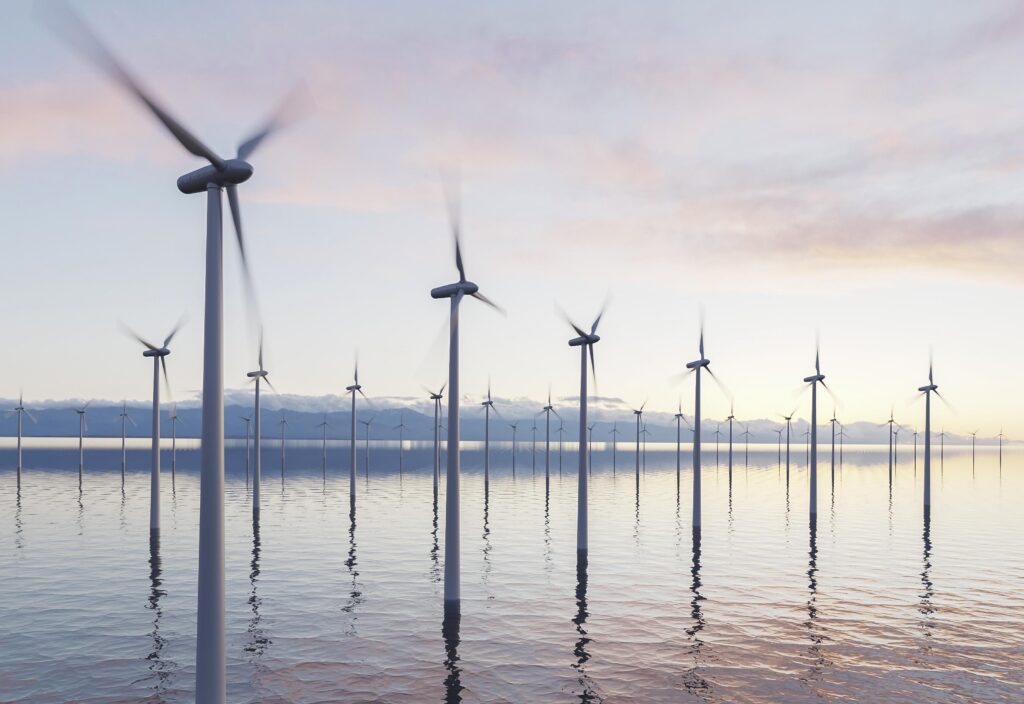
    Wind energy, both onshore and offshore, continues to draw substantial investment. Offshore wind, in particular, has emerged as a high-growth segment due to larger turbine capacity, government incentives, and long-term power purchase agreements.

    Investors are attracted to wind projects for their predictable cash flows and scalability. In 2025, global wind funding reached approximately $80 billion, with major growth in Europe and emerging markets like India and Brazil.

    GREEN HYDROGEN: THE RISING STAR OF THE TECHNOLOGIES

    Green hydrogen is the fastest-growing segment in renewable energy funding. Produced via electrolysis powered by renewable energy, green hydrogen promises to decarbonize heavy industry, transportation, and power generation.

    Although it currently receives less funding than solar or wind, investor interest is surging. Venture capital and government-backed funds are supporting projects worldwide, with estimated investments exceeding $10 billion in 2025. Analysts predict that green hydrogen could become a major focus of renewable funding by 2030, particularly as technology costs decrease.

    CONCLUSION: DIVERSIFICATION IS KEY FOR THIS TECHNOLOGIES

    While solar continues to dominate and wind remains a solid performer, green hydrogen represents a high-risk, high-reward opportunity. Investors looking to maximize impact in renewable energy should consider a diversified portfolio across these three technologies.

    As global energy transitions accelerate, funding patterns will continue to evolve, reflecting both technological breakthroughs and policy incentives. Staying informed on where capital flows is essential for anyone involved in the renewable energy ecosystem.