Autor: fundtechventures2024@gmail.com

  • GEOTHERMAL 2.0: HOW OIL & GAS DRILLING TECH IS UNLOCKING UNLIMITED FIRM POWER

    GEOTHERMAL 2.0: HOW OIL & GAS DRILLING TECH IS UNLOCKING UNLIMITED FIRM POWER

    For over a century, conventional geothermal energy has been restricted by geography. Generating electricity required a rare combination of naturally occurring subterranean heat, fluid, and rock permeability—limiting traditional geothermal plants to specific tectonic hot spots like Iceland, California, or New Zealand.

    GEOTHERMAL 2.0: HOW OIL & GAS DRILLING TECH IS UNLOCKING UNLIMITED firm POWER

    Today, a technological convergence is fundamentally disrupting that limitation.

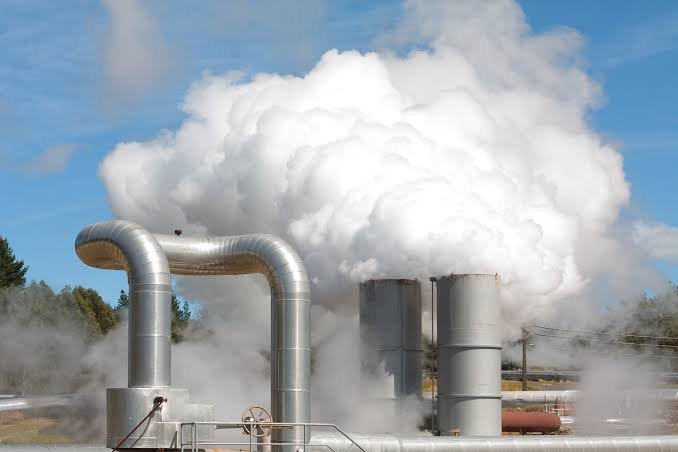
    By adapting advanced directional drilling, hydraulic fracturing, and sub-surface sensing technologies pioneered by the oil and gas (O&G) industry, a new generation of deep-tech startups is pioneering Enhanced Geothermal Systems (EGS) and Closed-Loop Advanced Geothermal Systems (AGS). This paradigm shift—often dubbed «Geothermal 2.0″—allows developers to harvest heat from hot dry rock anywhere on Earth, creating an effectively limitless source of zero-carbon, firm, 24/7 baseload power.

    Venture capital firms, tech hyperscalers, and global oil giants are taking notice. Here is an analytical look at the technological drivers, investment dynamics, and market models powering the revival of geothermal energy.

    1. THE TECHNOLOGICAL CROSSOVER: REPURPOSING HYDROCARBON CAPABILITIES

    The primary barrier to traditional geothermal expansion was exploration risk: drilling deep wells without guaranteed sub-surface fluid flow resulted in high failure rates and stranded capital. Geothermal 2.0 eliminates reliance on natural water reservoirs altogether.

    Startups are scaling two dominant technical approaches:

    • Enhanced Geothermal Systems (EGS): Operators drill thousands of meters into hot crystalline rock, inject fluid at controlled pressure to open micro-fractures, and circulate water through the artificial reservoir to absorb heat before bringing high-temperature steam back to the surface.
    • Closed-Loop / Advanced Geothermal Systems (AGS): Utilizing deep horizontal or multilateral loop configurations that act as subterranean radiators. Fluid circulates continuously through sealed pipes, isolating the working fluid from the surrounding rock and eliminating sub-surface fluid loss or seismic risks.

    Crucially, these systems rely on precision technologies originally developed for shale oil extraction: polycrystalline diamond compact (PDC) drill bits, high-temperature downhole sensors, and horizontal directional drilling. By transferring established O&G engineering capabilities directly into geothermal development, startups are drastically flattening the learning curve and driving down levelized costs of energy (LCOE).

    2. THE DEMAND PULL: DATA CENTERS AND THE ZERO-CARBON BASELOAD CRISIS

    The commercial momentum behind Geothermal 2.0 is closely tied to the massive expansion of artificial intelligence workloads and hyperscale cloud infrastructure.

    Hyperscalers (such as Google, Meta, and Microsoft) have set aggressive 24/7 carbon-free energy (CFE) goals. Unlike annual net-zero matching, 24/7 CFE requires every kilowatt-hour consumed at a data center to be matched in real time by clean generation on the same local grid.

    While intermittent solar and wind require long-duration battery storage to provide continuous output, next-gen geothermal provides a continuous 90%+ capacity factor with a minimal physical land footprint.

    This structural alignment has triggered early commercial off-take activity. Startups like Fervo Energy have secured groundbreaking corporate Power Purchase Agreements (PPAs) with major technology firms, proving that corporate buyers are willing to contract firm geothermal power directly to de-risk their future energy supply.

    GEOTHERMAL 2.0: HOW OIL & GAS DRILLING TECH IS UNLOCKING UNLIMITED firm POWER

    3. THE INVESTMENT LANDSCAPE: SYNERGIES BETWEEN VC AND OIL INCUMBENTS

    Geothermal 2.0 represents a unique asset class in clean tech, sitting at the intersection of early-stage venture equity and legacy energy infrastructure balance sheets.

    Venture underwriters analyze geothermal ventures through a distinct capital stack strategy:

    A. Transferable Supply Chains and Skilled Labor

    Unlike hydrogen or fusion energy, which require building entirely new industrial supply chains, geothermal leverages existing O&G assets. Drilling rigs, oilfield service providers (such as Baker Hughes and Nabors), and experienced subsurface engineers can transition to geothermal operations with minimal retraining.

    B. Strategic Co-Investment from Energy Giants

    Energy incumbents view next-gen geothermal not as a competitor, but as an operational hedge. Major oilfield services companies and traditional energy funds are increasingly participating in Series A through Series C equity rounds, providing startups with physical drilling equipment, technical validation, and field execution scale.

    C. The Cost-Reduction Curve (Learning Rates)

    Early geothermal wells carry high initial capital expenditures. However, data from early commercial EGS developments shows dramatic cost reductions—demonstrating that drilling time per well can be reduced by over 50% between sequential drilling campaigns as teams optimize bit performance and thermal fluid dynamics.

    4. RISKS AND CHALLENGES INVESTORS MUST EVALUATE

    Despite strong tailwinds, underwriting geothermal startups requires evaluating specific technical and execution risks:

    1. High-Temperature Tool Durability: Standard oilfield electronics and drill bits degrade rapidly at temperatures exceeding 200°C–300°C. Startups developing specialized high-temperature drilling components command high strategic value.
    2. Induced Seismicity Management: EGS projects utilizing hydraulic stimulation must strictly monitor micro-seismic activity. Startups utilizing closed-loop designs or low-pressure fluid injection present lower regulatory and seismic risk profiles.
    3. Transmission Interconnection Bottlenecks: Even if a well delivers thermal energy efficiently, connecting power plants to aging electrical transmission grids remains a primary timeline delay across North America and Europe.

    GEOTHERMAL 2.0: UNLOCKING EARTH’S ULTIMATE THERMAL BATTERY

    The geothermal sector is undergoing a profound transformation—moving from a niche regional resource to a scalable, global deep-tech solution. By leveraging trillions of dollars of historical O&G technology and aligning directly with the energy demands of the AI infrastructure boom, Geothermal 2.0 offers a compelling risk-adjusted entry point for clean-tech capital.

    For venture capital investors, the winners in this space will be the companies that can standardize drilling operations, lower high-temperature tool costs, and scale commercial off-take agreements to unlock the ultimate clean baseload power source beneath our feet.

  • NEXT-GEN NUCLEAR & FUSION ENERGY: THE HIGHEST RISK, HIGHEST RETURN VENTURE BET OF THE DECADE

    NEXT-GEN NUCLEAR & FUSION ENERGY: THE HIGHEST RISK, HIGHEST RETURN VENTURE BET OF THE DECADE

    For decades, nuclear power was considered a non-starter for early-stage venture capital. The astronomical capital requirements, multi-decade construction timelines, and regulatory inertia made nuclear projects the exclusive domain of sovereign states and massive utility conglomerates.

    NEXT-GEN NUCLEAR & FUSION ENERGY: THE HIGHEST RISK, HIGHEST RETURN VENTURE BET OF THE DECADE

    Today, that paradigm has broken down completely.

    Driven by the unyielding energy demands of hyper-scale artificial intelligence data centers, industrial decarbonization goals, and grid stability challenges, next-generation nuclear fission and commercial fusion have emerged as primary targets for private venture capital. Accumulating over $10 billion in private funding across advanced nuclear and fusion startups, the sector is transitioning from an academic moonshot into a high-stakes, commercial asset class.

    Here is an analytical breakdown of why top-tier VC firms, family offices, and Big Tech giants are pouring billions into atomic energy—and what investors must evaluate to navigate this frontier.

    1. THE CATALYST: AI BASELOAD DEMAND AND THE INFRASTRUCTURE BOTTLENECK

    The rapid acceleration of generative AI and cloud infrastructure has exposed a critical flaw in the global energy transition: intermittent renewables (solar and wind) cannot reliably supply 24/7 baseload power to data centers without massive, prohibitively expensive storage capacity.

    Hyperscalers (such as Microsoft, Google, and Amazon) require continuous, zero-carbon gigawatt-scale power. Traditional nuclear plants take 10 to 15 years to build, but next-generation nuclear offers two distinct solutions to this bottleneck:

    • Small Modular Reactors (SMRs): Standardized, factory-built fission reactors that produce up to 300 MW of power. By shifting away from custom site construction toward modular manufacturing, SMRs dramatically lower upfront CapEx and shorten deployment cycles from decades to years.
    • Microreactors: Ultra-compact units (1 MW to 20 MW) capable of being transported by standard freight, offering direct, off-grid power to remote data centers, mining operations, and microgrids.

    This surge in demand has fundamentally changed the underwriting model for VCs. Instead of waiting for slow utility adoption, nuclear startups are securing long-term power purchase agreements (PPAs) directly with technology corporate buyers before construction even begins.

    2. THE ADVANCED FISSION PLAY: FROM CUSTOM MEGAPROJECTS TO FACTORY-BUILT PRODUCTS

    The core innovation in modern nuclear fission is not necessarily the physics—it is the manufacturing business model.

    Traditional nuclear construction suffered from severe cost overruns because every plant was built on-site like a custom civil engineering project. Modern SMR startups operate more like aerospace or automotive manufacturers:

    • Economies of Series over Scale: Rather than building one 1,000 MW reactor, startups focus on producing dozens of identical 100–300 MW modules in controlled factory conditions, significantly driving down unit costs through repetition.
    • Advanced Coolants & Safety: Next-gen reactors utilize molten salt, liquid metal (sodium), or high-temperature gas instead of pressurized water. This allows plants to operate at lower pressures with passive safety systems that shut down naturally in an emergency without requiring external power or human intervention.

    For venture investors, the value creation lies in startups that own the proprietary reactor designs, advanced fuel supply chains (such as HALEU – High-Assay Low-Enriched Uranium), and automated manufacturing processes.

    NEXT-GEN NUCLEAR & FUSION ENERGY: THE HIGHEST RISK, HIGHEST RETURN VENTURE BET OF THE DECADE

    3. THE COMMERCIAL FUSION RACE: DEEP TECH’S ULTIMATE HOLY GRAIL

    While advanced fission is reaching commercial deployment in the near term, nuclear fusion represents the theoretical zenith of energy generation: zero long-lived radioactive waste, zero risk of meltdown, and virtually infinite fuel supplies (derived from hydrogen isotopes in water).

    Once restricted to government-funded megaprojects like ITER, fusion is now primarily driven by private enterprise. Data from the Fusion Industry Association (FIA) reveals that private funding for commercial fusion companies has surpassed $9.7 billion.

    VCs and private equity are funding several distinct technical approaches to achieve net energy gain ($Q > 1$):

    1. Magnetic Confinement (Tokamaks & Stellarators): Using powerful high-temperature superconducting (HTS) magnets to hold superheated plasma in a torus shape. Startups like Commonwealth Fusion Systems (backed by Bill Gates’ Breakthrough Energy Ventures) and Type One Energy lead this space.
    2. Field-Reversed Configuration (FRC) & Hybrid Confinement: Utilizing magnetic fields generated by plasma currents combined with high-energy particle beams. Companies like TAE Technologies and Helion Energy are pursuing direct energy conversion, bypassing steam turbines altogether.
    3. Inertial Confinement: Using ultra-intense laser pulses or ion beams to compress fuel pellets to fusion conditions, championed by ventures such as Focused Energy and Marvel Fusion.

    With major private players aiming to connect pilot plants to the grid between the late 2020s and mid-2030s, fusion has transformed from a «50 years away» science project into a viable deep-tech venture timeline.

    4. RISKS, VALUATION METRICS, AND HOW VCS UNDERWRITE ATOMIC TECH

    Investing in advanced nuclear and fusion requires a vastly different framework than traditional SaaS or consumer tech. Investors evaluate opportunities using three primary pillars:

    A. Technology Readiness Level (TRL) vs. Capital Efficiency

    Startups must demonstrate a clear path through engineering milestones rather than software releases. A VC looking at a fusion or SMR startup evaluates:

    • Plasma Physics / Thermal Proof: Has the reactor concept demonstrated stable plasma confinement or thermal efficiency at scale?
    • Supply Chain Dependencies: Is the startup reliant on scarce materials (e.g., Tritium, specialized HTS tape, or HALEU fuel) that lack robust global supply chains?

    B. Regulatory and Licensing Velocity

    Technology is often not the main risk—regulation is. In the US, the Nuclear Regulatory Commission (NRC) and equivalent bodies globally are creating streamlined regulatory frameworks for advanced non-light-water reactors. Companies that actively co-develop regulatory pathways alongside technical R&D commands a valuation premium.

    C. Blended Financing Strategies

    Because atomic tech requires significant capital, successful startups do not rely purely on venture equity. They build a capital stack consisting of:

    • Venture Capital (Equity): Used for early-stage IP development, simulation software, and core engineering talent.
    • Government Grants & Public-Private Partnerships: Non-dilutive funding from programs like the US Department of Energy (DOE) or the European Innovation Council (EIC).
    • Project Finance & Strategic Corporate Investment: Capital from industrial off-takers, energy incumbents, and tech firms to build physical pilot plants.

    CONCLUSION: THE UNLOCK OF THE CENTURY FOR NUCLEAR & FUSION ENERGY

    The convergence of explosive AI energy consumption, volatile fossil fuel markets, and strict climate imperatives has created an unprecedented market pull for clean, firm, baseload power.

    Next-gen nuclear fission (SMRs) provides the immediate bridge over the next decade, while commercial fusion offers a potentially infinite, long-term energy paradigm. For venture capital investors willing to manage technical complexity and regulatory execution, atomic energy is no longer just an ESG option—it is arguably the most strategic asymmetric bet in the climate and deep-tech sectors today.

  • SYNTHETIC BIOLOGY: THE NEXT TRILLION-DOLLAR INDUSTRY?

    SYNTHETIC BIOLOGY: THE NEXT TRILLION-DOLLAR INDUSTRY?

    For decades, software has transformed the way we communicate, work and do business. Now, a new technological revolution is emerging—one that doesn’t rely on lines of code, but on living cells. Synthetic biology is redefining what is possible by applying engineering principles to biology, enabling scientists to design organisms capable of producing everything from life-saving medicines to sustainable fuels and biodegradable materials.

    SYNTHETIC BIOLOGY: THE NEXT TRILLION-DOLLAR INDUSTRY?

    What once belonged to the realm of scientific research is rapidly becoming a major industrial opportunity. As artificial intelligence, automation and biotechnology converge, synthetic biology is attracting unprecedented levels of investment from venture capital firms, governments and multinational corporations eager to reshape some of the world’s largest industries.

    Many analysts now believe that biology could become the next programmable platform, with synthetic biology laying the foundation for an entirely new bioeconomy worth trillions of dollars

    BIOLOGY BECOMES AN ENGINEERING DISCIPLINE

    Traditional biotechnology has long relied on modifying living organisms to produce useful compounds. Synthetic biology takes this concept much further. Instead of making isolated genetic modifications, researchers design biological systems from the ground up, treating DNA as programmable code that can be written, tested and optimized much like software.

    Advances in DNA sequencing, gene synthesis and genome editing have dramatically reduced both the cost and time required to engineer microorganisms. At the same time, automated laboratories equipped with robotics can perform thousands of experiments simultaneously, while machine learning algorithms analyze the results and suggest improved designs.

    This iterative «Design-Build-Test-Learn» approach has accelerated innovation at a pace that would have been unimaginable just a decade ago.

    WHY INVESTORS ARE PAYING ATTENTION TO SYNTHETIC BIOLOGY

    Several technological breakthroughs have aligned to make synthetic biology commercially viable.

    The cost of reading and writing DNA has fallen exponentially, making biological engineering far more accessible. Artificial intelligence is accelerating protein design and molecular discovery, allowing researchers to identify promising biological solutions in days instead of years. Meanwhile, automation has significantly reduced laboratory costs while increasing experimental throughput.

    At the same time, governments around the world are seeking alternatives to fossil fuel-based manufacturing, encouraging investment in sustainable production methods capable of reducing emissions and dependence on scarce natural resources.

    For venture capital firms, synthetic biology represents an opportunity comparable to the early days of cloud computing or artificial intelligence: a foundational technology with applications across multiple trillion-dollar industries.

    TRANSFORMING INDUSTRIES FAR BEYOND HEALTHCARE

    Although healthcare remains one of the most visible applications, synthetic biology is extending its influence into sectors that have historically relied on chemical manufacturing or intensive resource extraction.

    In medicine, engineered cells are opening new possibilities for personalized therapies, gene editing and vaccine development. Artificial intelligence is also accelerating drug discovery by identifying novel proteins and predicting molecular interactions with unprecedented accuracy.

    Manufacturing is experiencing an equally profound transformation. Instead of relying on petroleum-derived chemicals, companies are engineering microorganisms capable of producing industrial chemicals, enzymes, biodegradable plastics and advanced materials through biological fermentation processes. These methods often consume fewer resources while generating significantly lower carbon emissions.

    Agriculture is also being reshaped through engineered microbes that improve soil fertility, reduce fertilizer dependence and enhance crop resilience against climate change. Biological alternatives to pesticides and fertilizers promise to increase agricultural productivity while minimizing environmental impact.

    Perhaps one of the fastest-growing segments is food technology. Precision fermentation enables companies to produce dairy proteins, egg proteins and specialty fats without raising animals, while cultivated meat startups continue refining technologies capable of producing meat directly from animal cells. These innovations could fundamentally alter global food production over the coming decades.

    Even the energy sector is beginning to benefit from synthetic biology. Researchers are developing microorganisms capable of producing sustainable aviation fuels, converting industrial waste gases into valuable chemicals and supporting carbon capture initiatives through biological processes.

    SYNTHETIC BIOLOGY: THE NEXT TRILLION-DOLLAR INDUSTRY?

    THE STARTUPS LEADING THE BIOECONOMY

    A growing ecosystem of startups is turning scientific breakthroughs into commercial products.

    Companies such as Ginkgo Bioworks have built platforms for programming cells as easily as software developers write code. Twist Bioscience has revolutionized synthetic DNA manufacturing, making genetic material more accessible for research and industrial applications. Perfect Day and Formo are pioneering animal-free dairy products using precision fermentation, while Solugen is replacing petroleum-based chemicals with biological alternatives.

    Meanwhile, companies like LanzaTech are demonstrating how engineered microorganisms can transform industrial carbon emissions into fuels and valuable chemicals, illustrating synthetic biology’s potential to contribute directly to decarbonization efforts.

    These companies are not simply creating new products—they are building entirely new manufacturing platforms.

    THE POWER OF AI AND BIOLOGY

    Artificial intelligence may prove to be the catalyst that propels synthetic biology into mainstream industry.

    Machine learning models can predict protein structures, simulate biological pathways and optimize genetic designs before laboratory testing even begins. This dramatically reduces research costs while increasing the probability of successful outcomes.

    Rather than replacing scientists, AI enables researchers to explore biological possibilities at a scale impossible through traditional experimentation alone. The combination of computational biology, robotics and high-throughput experimentation is transforming biological engineering into a data-driven discipline.

    As these technologies continue to mature, the pace of innovation is expected to accelerate even further.

    CHALLENGES STILL REMAIN WITH SYNTHETIC BIOLOGY

    Despite its enormous promise, synthetic biology faces significant obstacles before reaching widespread adoption.

    Scaling biological manufacturing from laboratory experiments to industrial production remains technically complex and capital intensive. Regulatory frameworks continue evolving as governments attempt to balance innovation with biosafety and ethical considerations. Public perception also plays an important role, particularly when products involve genetically engineered organisms or novel food technologies.

    For investors, another challenge lies in the long commercialization cycles typical of biotechnology. Unlike software startups, many synthetic biology companies require years of research and substantial funding before reaching profitability.

    Nevertheless, these barriers may also strengthen the competitive advantages of companies capable of overcoming them.

    TO SUM UP: WHY IS SYNTHETIC BIOLOGY IMPORTANT?

    Synthetic biology is moving beyond academic laboratories to become one of the defining technologies of the twenty-first century. By combining biology with artificial intelligence, automation and advanced engineering, it has the potential to transform healthcare, manufacturing, agriculture, food production and energy systems on a global scale.

    As governments seek more sustainable industrial models and investors continue searching for the next major technological platform, synthetic biology stands out as one of the most promising frontiers of innovation. Whether it ultimately becomes a trillion-dollar industry remains to be seen, but its growing influence suggests that the ability to engineer living systems could become as economically transformative as the rise of software or the internet itself.

  • THE ENERGY DEMAND EXPLOSION: WHAT HAPPENS WHEN EVERYTHING GOES ELECTRIC?

    THE ENERGY DEMAND EXPLOSION: WHAT HAPPENS WHEN EVERYTHING GOES ELECTRIC?

    As transportation, industry, heating, and artificial intelligence increasingly rely on electric energy, global power demand is entering uncharted territory. The challenge is no longer generating clean energy alone—it’s ensuring the grid can deliver enough of it.

    The electric shift has begun

    For decades, global energy consumption grew at a relatively predictable pace, closely tied to population growth and economic development. Today, that trend is changing dramatically.

    The world is entering an era of widespread electrification. Electric vehicles are replacing combustion engines, factories are shifting from fossil fuels to electric processes, buildings are adopting heat pumps, and data centers supporting artificial intelligence are consuming unprecedented amounts of electricity.

    At the same time, governments are accelerating the transition toward renewable energy to reduce emissions and improve energy security.

    The result is a historic surge in electricity demand—one that could redefine infrastructure investment, industrial competitiveness, and the global economy over the coming decades.

    Electrification is reshaping the energy landscape

    Electricity is rapidly becoming the world’s dominant energy carrier.

    Unlike previous energy transitions that focused primarily on improving efficiency or replacing one fuel with another, today’s transformation involves electrifying entire sectors of the economy.

    This shift includes:

    • Electric vehicles replacing gasoline and diesel cars.
    • Heat pumps substituting natural gas heating systems.
    • Industrial electrification in steel, chemicals, and manufacturing.
    • Smart buildings powered by digital energy management systems.
    • Renewable energy replacing fossil-fuel generation.

    Each of these changes increases the demand placed on electricity networks.

    The challenge is no longer simply producing enough clean energy—it’s transporting, storing, and managing it reliably.

    Artificial intelligence is creating a new wave of electricity demand

    One of the fastest-growing drivers of electricity consumption is artificial intelligence.

    Training advanced AI models requires enormous computational power, while millions of daily AI applications depend on vast networks of data centers operating around the clock.

    These facilities consume electricity not only for computing but also for cooling systems, networking equipment, and supporting infrastructure.

    As AI adoption accelerates across every sector, electricity demand from digital infrastructure is expected to rise sharply.

    Technology companies are already investing billions in dedicated renewable energy projects, battery storage, and even nuclear power agreements to secure reliable electricity supplies for future growth.

    Transportation is becoming electric

    The transportation sector is undergoing one of the largest transformations in modern history.

    Electric vehicles continue gaining market share as battery costs decline and charging infrastructure expands.

    Beyond passenger cars, electrification is extending to:

    • Commercial delivery fleets.
    • Public transportation.
    • Heavy-duty trucks.
    • Maritime applications.
    • Certain segments of aviation.

    Each new electric vehicle increases electricity consumption while simultaneously reducing oil demand.

    Managing millions of charging sessions efficiently will require smarter grids capable of balancing demand throughout the day.

    Vehicle-to-grid (V2G) technologies may eventually allow electric cars to function as distributed energy storage systems, improving grid flexibility.

    THE ENERGY DEMAND EXPLOSION: WHAT HAPPENS WHEN EVERYTHING GOES ELECTRIC?

    The grid has become the new bottleneck

    Generating renewable electricity is no longer the only challenge.

    In many countries, the greatest obstacle is the electricity grid itself.

    Transmission lines, substations, transformers, and distribution networks were largely designed decades ago for centralized fossil-fuel generation and relatively stable consumption patterns.

    Today’s energy system is fundamentally different.

    Renewable generation is decentralized, electricity demand is becoming more dynamic, and bidirectional power flows are increasingly common as homes and businesses generate their own electricity through rooftop solar systems.

    Without significant investment in grid modernization, clean energy projects risk being delayed simply because the infrastructure cannot accommodate them.

    Energy storage will be critical

    Renewable energy introduces variability into electricity systems.

    Solar generation peaks during daylight hours, while wind production depends on weather conditions.

    As electricity demand grows, balancing supply and demand becomes increasingly important.

    Battery energy storage systems are emerging as one of the most effective solutions, allowing excess renewable electricity to be stored and deployed when demand increases.

    However, batteries alone may not be sufficient.

    Long-duration storage technologies—including pumped hydro, compressed air, thermal storage, hydrogen, and gravity-based systems—are expected to play an increasingly important role in ensuring reliable electricity supplies.

    Together, these technologies could become the backbone of tomorrow’s resilient power systems.

    Critical minerals will power electrification

    Every stage of electrification depends on raw materials.

    Copper is essential for transmission lines, transformers, electric motors, and charging infrastructure.

    Lithium, nickel, cobalt, graphite, and manganese remain fundamental to battery production.

    Rare earth elements enable high-performance permanent magnets used in electric motors and wind turbines.

    As electricity demand accelerates, securing reliable supplies of these critical minerals is becoming both an economic and geopolitical priority.

    Countries are increasingly investing in domestic mining, recycling, and diversified supply chains to reduce dependence on a limited number of producing regions.

    Investment opportunities across the energy value chain

    The electrification trend extends far beyond renewable power generation.

    Major investment opportunities are emerging across the entire energy ecosystem, including:

    • Electricity transmission and distribution infrastructure.
    • Smart grid technologies.
    • Grid-scale battery storage.
    • Charging infrastructure.
    • Power semiconductors.
    • Critical minerals.
    • Energy management software.
    • Advanced nuclear technologies.
    • Industrial electrification solutions.

    Rather than representing a single industry, electrification is creating an interconnected investment landscape spanning energy, technology, manufacturing, and infrastructure.

    Preparing for an electric world

    The future of energy is increasingly electric.

    From transportation and industry to artificial intelligence and residential heating, nearly every sector is shifting toward electricity as its primary source of power.

    This transition promises cleaner energy systems, lower emissions, and greater efficiency—but it also presents one of the largest infrastructure challenges in modern history.

    Meeting tomorrow’s electricity demand will require unprecedented investment in grids, storage, renewable generation, digital technologies, and critical mineral supply chains.

    The companies and countries that successfully build this new energy ecosystem will be well positioned to shape the next era of global economic growth.

  • THE TALENT CRISIS IN THE AGE OF AI: WHO WILL WIN THE WAR FOR SKILLS?

    THE TALENT CRISIS IN THE AGE OF AI: WHO WILL WIN THE WAR FOR SKILLS?

    As artificial intelligence transforms industries at unprecedented speed, a new challenge is emerging: finding and developing the talent capable of working alongside these technologies. The companies that succeed in the coming decade may not be those with the most advanced AI systems, but those with the workforce best prepared to use them.

    THE TALENT CRISIS IN THE AGE OF AI: WHO WILL WIN THE WAR FOR SKILLS?
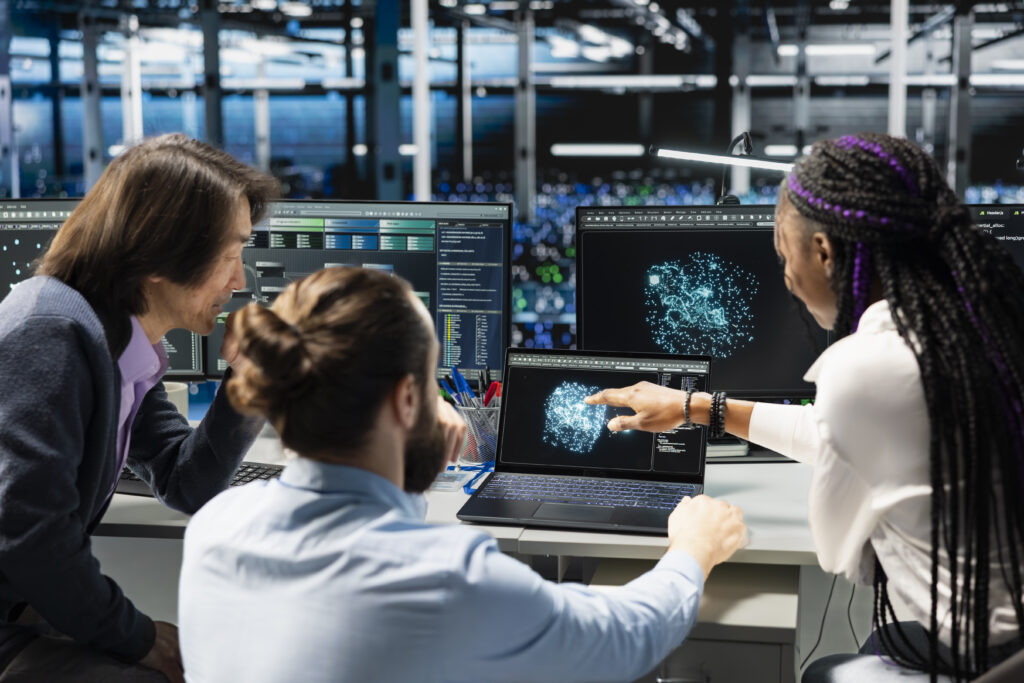
    BIPOC woman developing artificial intelligence neural networks nodes modeled after human brain. Tech support setting up AI machine learning accurately making predictions using data

    Artificial intelligence is reshaping the global economy. From finance and healthcare to manufacturing and energy, organizations are adopting AI-driven tools to increase efficiency, automate processes, and unlock new business opportunities.

    Yet amid the excitement surrounding technological innovation, a less visible but equally important challenge is taking shape: a growing shortage of workers with the skills needed to thrive in an AI-powered world.

    This emerging talent gap is rapidly becoming one of the most significant constraints on economic growth, corporate competitiveness, and technological progress. As demand for AI-related expertise accelerates, businesses, governments, and educational institutions are entering a new battle—the war for skills.

    The growing talent gap

    The adoption of AI is advancing faster than the workforce can adapt.

    Organizations across industries are seeking professionals who can develop, implement, manage, and collaborate with AI systems. Demand is rising not only for data scientists and machine learning engineers, but also for employees capable of integrating AI into business operations, decision-making processes, and customer experiences.

    At the same time, many traditional roles are evolving. Employees increasingly need digital literacy, analytical thinking, and the ability to work effectively with intelligent systems.

    This imbalance between demand and supply is creating a significant talent shortage.

    According to multiple industry studies, companies worldwide report difficulties recruiting professionals with expertise in artificial intelligence, data analytics, cybersecurity, cloud computing, and advanced digital technologies. The challenge is particularly acute as organizations compete globally for a relatively limited pool of qualified candidates.

    Why technical skills alone are not enough

    One of the most common misconceptions surrounding AI is that only highly technical professionals will benefit from its growth.

    In reality, the AI economy values a combination of technical and human capabilities.

    While programming, data analysis, and machine learning remain essential, employers are increasingly prioritizing skills that machines struggle to replicate, including:

    • Critical thinking
    • Creativity
    • Emotional intelligence
    • Complex problem-solving
    • Adaptability
    • Leadership
    • Communication

    As AI automates repetitive and predictable tasks, human workers are becoming more valuable for their ability to interpret information, exercise judgment, build relationships, and drive innovation.

    The future workforce will likely consist of professionals who can effectively combine technological expertise with uniquely human strengths.

    The rise of reskilling and upskilling

    To address the widening skills gap, organizations are investing heavily in workforce development.

    Reskilling involves training employees for entirely new roles, while upskilling focuses on enhancing existing capabilities to meet evolving job requirements.

    These strategies are becoming business imperatives rather than optional benefits.

    Companies recognize that hiring alone cannot solve the talent shortage. Developing internal talent often proves faster, more cost-effective, and more sustainable than competing for scarce external candidates.

    As a result, corporate learning programs are expanding rapidly, covering areas such as:

    • AI literacy
    • Data analytics
    • Digital transformation
    • Cybersecurity
    • Leadership development
    • Human-AI collaboration

    Organizations that build strong learning cultures are positioning themselves to adapt more effectively to future technological disruptions.

    THE TALENT CRISIS IN THE AGE OF AI: WHO WILL WIN THE WAR FOR SKILLS?
    Data center coworkers doing brainstorming, monitoring AI applications, adjusting machine learning. Server hub colleagues working together, enhancing artificial intelligence software performance

    The global competition for talent

    The rise of remote work has transformed talent acquisition into a global competition.

    Geographic boundaries no longer limit hiring decisions. A company in Madrid can recruit a data analyst in São Paulo, while a startup in Singapore can hire an AI engineer based in Berlin.

    This increased flexibility offers significant opportunities but also intensifies competition.

    Highly skilled professionals now have access to a broader range of employers, making talent retention increasingly challenging. Businesses must offer more than competitive salaries; they must provide meaningful work, career development opportunities, flexibility, and a compelling organizational culture.

    In many sectors, employer reputation is becoming as important as compensation.

    AI as both a threat and an opportunity

    The relationship between AI and employment remains a subject of debate.

    Some jobs will undoubtedly be transformed or partially automated. Certain repetitive administrative and routine cognitive tasks may require fewer human workers in the future.

    However, history suggests that technological revolutions often create new opportunities alongside disruption.

    The emergence of AI is already generating demand for roles that barely existed a decade ago, including:

    • AI product managers
    • Prompt engineers
    • AI ethics specialists
    • Machine learning operations experts
    • Data governance professionals
    • Human-AI workflow designers

    Moreover, entirely new industries and business models are likely to emerge as AI capabilities continue to evolve.

    The challenge for workers is not necessarily competing against AI, but learning how to work effectively with it.

    Why investors are paying attention

    Investors increasingly recognize human capital as a strategic asset.

    Companies with strong talent development programs, adaptable workforces, and effective leadership teams are often better positioned to navigate technological change and sustain long-term growth.

    As AI adoption accelerates, workforce readiness may become a critical indicator of corporate resilience.

    Organizations that fail to invest in talent risk facing slower innovation, reduced productivity, and increased recruitment costs. Conversely, those that successfully cultivate future-ready employees may gain significant competitive advantages.

    For investors evaluating long-term opportunities, workforce quality is becoming as important as technology itself.

    Conclusion: Talent is important

    The AI revolution is not only a technological transformation—it is a human one.

    While artificial intelligence will continue to reshape industries and redefine business models, success will ultimately depend on people. The organizations that thrive will be those capable of attracting, developing, and retaining the talent needed to harness AI’s full potential.

    The war for skills has already begun, and the winners may not be determined by who builds the smartest machines, but by who prepares the smartest workforce.

  • THE GLOBAL BATTLE FOR COPPER: THE METAL POWERING THE ENERGY TRANSITION

    THE GLOBAL BATTLE FOR COPPER: THE METAL POWERING THE ENERGY TRANSITION

    As the world accelerates towards electrification, copper has emerged as one of the most strategic resources of the 21st century. From electric vehicles and renewable energy systems to data centres and power grids, the demand for copper is surging at a pace that challenges global supply chains and reshapes geopolitical priorities.

    THE METAL AT THE HEART OF ELECTRIFICATION

    Copper has long been valued for its exceptional electrical conductivity, durability and versatility. Today, these characteristics make it indispensable for the technologies driving the energy transition.

    Electric vehicles require significantly more copper than conventional internal combustion engine vehicles. A typical EV contains between two and four times more copper, used in batteries, motors, inverters and charging infrastructure. Meanwhile, renewable energy projects such as solar and wind farms rely heavily on copper for power generation, transmission and storage systems.

    The expansion of electricity grids is creating an additional layer of demand. As countries invest in modernising infrastructure and connecting renewable energy sources to national networks, copper consumption continues to rise.

    DEMAND IS GROWING FASTER THAN SUPPLY


    According to industry forecasts, global copper demand could nearly double by 2040 as electrification spreads across transport, industry and residential sectors. However, increasing supply is proving far more difficult.

    Developing a new copper mine can take more than a decade due to permitting processes, environmental reviews, financing requirements and infrastructure development. At the same time, many of the world’s largest copper mines are facing declining ore grades, meaning companies must process more material to produce the same amount of copper.

    This imbalance between supply and demand has raised concerns about a potential structural copper deficit during the coming decades.

    THE GEOPOLITICS OF COPPER

    Copper is becoming increasingly intertwined with global geopolitical competition.

    A significant portion of global production comes from a small number of countries, particularly Chile, Peru and the Democratic Republic of Congo. While these regions possess vast reserves, political uncertainty, regulatory changes and social tensions can affect production levels and investment decisions.

    At the same time, China has strengthened its position throughout the copper value chain, investing heavily in mining projects, refining capacity and international resource partnerships.

    In response, the United States, the European Union and other major economies are seeking to secure access to critical minerals through new trade agreements, domestic mining initiatives and strategic investments abroad.

    The race for copper is no longer simply an industrial issue—it has become a matter of economic security.

    TECHNOLOGY’S INSATIABLE APPETITE FOR COPPER

    The energy transition is not the only driver of demand.

    The rapid growth of artificial intelligence, cloud computing and data centres is creating a new wave of copper consumption. Modern data centres require extensive electrical infrastructure, cooling systems and power distribution networks, all of which depend heavily on copper.

    As governments and corporations invest billions in AI infrastructure, the copper market is gaining an additional demand catalyst that few analysts anticipated a decade ago.

    This convergence of digitalisation and decarbonisation is placing unprecedented pressure on global copper supply chains.

    CAN RECYCLING CLOSE THE GAP?

    Copper is one of the most recyclable materials in the world, retaining its properties through repeated recycling cycles.

    As a result, recycling is expected to play a crucial role in meeting future demand. Urban mining initiatives, advanced recovery technologies and circular economy strategies are gaining momentum across developed economies.

    Nevertheless, recycling alone is unlikely to eliminate the projected supply gap. Growing demand from emerging technologies is expected to outpace the volume of copper available through secondary sources, making new mining investments essential.

    INVESTMENT OPPORTUNITIES AND CHALLENGES


    For investors, copper represents one of the most compelling themes linked to the global energy transition.

    Opportunities exist across the entire value chain, including:

    • Copper mining companies
    • Exploration and development projects
    • Recycling and recovery technologies
    • Grid infrastructure providers
    • Renewable energy equipment manufacturers

    However, the sector also faces significant risks, including commodity price volatility, geopolitical uncertainty, environmental regulations and project execution challenges.

    Investors increasingly view copper not simply as a commodity, but as a strategic asset underpinning multiple long-term megatrends.

    As the world moves towards a more electrified and sustainable economy, copper has become one of the most critical resources of our time. The combined forces of renewable energy, electric mobility, grid expansion and artificial intelligence are driving demand to unprecedented levels.

    The challenge now lies in securing sufficient supply to support this transformation. Governments, corporations and investors are entering a new era of competition for access to copper resources, making the metal a central pillar of both the energy transition and the future global economy.

  • THE RACE FOR CRITICAL MINERALS IS RESHAPING GLOBAL POWER

    THE RACE FOR CRITICAL MINERALS IS RESHAPING GLOBAL POWER

    As the world accelerates toward electrification and clean energy, a silent battle is unfolding behind the scenes. From lithium and copper to rare earth elements, critical minerals are rapidly becoming the most strategic resources of the global economy — reshaping alliances, investment flows, and the balance of geopolitical power.

    THE RACE FOR CRITICAL MINERALS IS RESHAPING GLOBAL POWER

    WHY LITHIUM, COBALT, NICKEL AND RARE EARTHS ARE BECOMING THE FOUNDATION OF THE NEXT ECONOMIC ERA

    The global energy transition is no longer only about solar panels, wind farms, or electric vehicles. Behind every battery, semiconductor, data center, and renewable infrastructure project lies a far less visible battle: the race for critical minerals.

    Lithium, cobalt, nickel, graphite, copper, and rare earth elements have rapidly evolved from industrial commodities into strategic geopolitical assets. Governments, investors, and multinational corporations are now competing to secure stable access to these materials as demand accelerates at historic speed.

    In many ways, critical minerals are becoming the oil of the 21st century. But unlike oil, the supply chains behind these resources are highly concentrated, politically fragile, and environmentally complex. This combination is reshaping international alliances, industrial strategies, and the future of global economic power.

    THE ENERGY TRANSITION DEPENDS ON MINERALS

    Every clean energy technology relies heavily on mineral-intensive manufacturing.

    Electric vehicles require large quantities of lithium, nickel, cobalt, manganese, and graphite for battery production. Wind turbines depend on rare earth magnets. Solar panels require silicon, silver, aluminum, and copper. Grid-scale energy storage systems demand enormous amounts of battery materials, while AI infrastructure and advanced semiconductors continue increasing global demand for copper and rare earth elements.

    The scale of future consumption is difficult to overstate.

    As countries accelerate decarbonization targets and electrification strategies, mineral demand is projected to multiply several times over during the next two decades. Copper demand alone is expected to rise dramatically due to the expansion of electrical grids, EV charging infrastructure, and renewable energy systems.

    This shift is creating an unprecedented industrial transformation where access to raw materials is becoming just as important as technological innovation itself.

    CHINA’S DOMINANCE HAS CHANGED THE GAME

    One of the most important realities in the global mineral economy is China’s dominant position across critical supply chains.

    While many countries possess mineral reserves, China spent decades investing in refining capacity, processing infrastructure, and global mining partnerships. Today, the country controls a substantial share of the world’s lithium processing, cobalt refining, rare earth production, and battery manufacturing.

    This dominance has given Beijing significant leverage over industries that are central to the global energy transition.

    Western governments increasingly view this dependency as a strategic vulnerability. As a result, the United States, the European Union, Canada, Australia, Japan, and South Korea are all implementing aggressive policies designed to diversify mineral supply chains and reduce reliance on Chinese processing capabilities.

    The result is a new era of industrial policy where governments are directly supporting mining projects, refining facilities, and domestic manufacturing ecosystems.

    THE RACE FOR CRITICAL MINERALS IS RESHAPING GLOBAL POWER

    AFRICA AND LATIN AMERICA ARE BECOMING STRATEGIC HOTSPOTS

    Many of the world’s largest untapped mineral reserves are located in developing economies.

    The Democratic Republic of Congo dominates global cobalt production. Chile and Argentina sit at the center of the lithium triangle. Indonesia has become a major force in nickel production. Namibia, Zambia, and several African nations are increasingly attracting investment linked to copper and rare earth development.

    This has created both opportunity and risk.

    On one hand, critical minerals could generate massive economic growth, infrastructure investment, and industrial development across emerging markets. Countries rich in mineral resources have the potential to become central players in the clean energy economy.

    On the other hand, concerns around political instability, corruption, labor practices, environmental degradation, and resource nationalism continue to complicate investment decisions.

    Governments are now trying to avoid repeating the historical pattern where raw materials are exported without building local value chains. Increasingly, mineral-producing nations are demanding domestic processing facilities, local employment commitments, and industrial partnerships as conditions for foreign investment.

    THE NEW INDUSTRIAL ARMS RACE

    Critical minerals are no longer only an energy issue. They are also a national security issue.

    Countries now understand that whoever controls the supply chains behind batteries, semiconductors, and advanced manufacturing technologies will hold enormous economic and geopolitical influence in the coming decades.

    This explains why governments are introducing massive subsidy programs and strategic investment frameworks.

    The United States launched the Inflation Reduction Act to strengthen domestic clean technology manufacturing and mineral sourcing. Europe introduced the Critical Raw Materials Act to improve supply chain resilience. Meanwhile, countries across Asia and the Middle East are investing heavily in refining infrastructure and downstream industrial capacity.

    What we are witnessing is effectively a global industrial arms race centered around energy, technology, and resource security.

    Unlike previous eras of globalization, efficiency is no longer the only priority. Resilience, strategic autonomy, and supply chain control are becoming equally important.

    INVESTORS ARE SHIFTING THEIR FOCUS

    For investors, the critical minerals sector represents one of the most significant long-term opportunities linked to the energy transition.

    Capital is increasingly flowing into lithium extraction technologies, battery recycling startups, copper mining projects, refining facilities, and alternative battery chemistries designed to reduce dependency on scarce materials.

    Private equity firms, sovereign wealth funds, and venture capital investors are all expanding their exposure to the sector.

    Battery recycling in particular is emerging as a major area of innovation. As EV adoption increases, recycling infrastructure could become essential for recovering valuable minerals while reducing pressure on global mining supply.

    At the same time, geopolitical risk is becoming a core investment variable.

    Mining projects now face growing scrutiny around ESG standards, local political conditions, permitting processes, and environmental impact. Investors are increasingly aware that securing long-term access to critical minerals requires not only financial capital, but also political stability and sustainable operational practices.

    TECHNOLOGY MAY REDUCE DEPENDENCY — BUT NOT ELIMINATE IT

    Many companies are attempting to reduce exposure to critical mineral shortages through technological innovation.

    Battery manufacturers are developing chemistries that use less cobalt or nickel. Researchers are exploring sodium-ion batteries as alternatives to lithium-ion systems. Recycling technologies are improving rapidly, while advanced extraction methods aim to increase efficiency and reduce environmental damage.

    However, most experts agree that technological advances alone will not eliminate the need for large-scale mineral production.

    The scale of global electrification is simply too large.

    Even with breakthroughs in recycling and battery innovation, the world will still require massive investment in mining, refining, and supply chain infrastructure throughout the coming decades.

    THE FUTURE OF GLOBAL POWER MAY LOOK VERY DIFFERENT

    The transition toward a clean energy economy is often framed as an environmental transformation. In reality, it is also a geopolitical and economic restructuring of global power.

    Countries that control critical mineral supply chains could gain extraordinary strategic advantages. Nations unable to secure reliable access may face industrial vulnerability, rising costs, and technological dependence.

    This shift is already changing international diplomacy, trade agreements, and investment strategies.

    In the years ahead, the most influential economies may not simply be the ones that develop the best technology, but the ones capable of securing the resources needed to build and scale it.

    The race for critical minerals is therefore about far more than mining.

    It is about who will shape the next industrial era.

  • THE RISE OF AFRICA’S GREEN HYDROGEN ECONOMY

    THE RISE OF AFRICA’S GREEN HYDROGEN ECONOMY

    Africa is rapidly positioning itself as one of the most promising regions for green hydrogen production. With abundant solar and wind resources, vast land availability, and proximity to key export markets like Europe, the continent holds a structural advantage that few regions can match.

    Countries such as Morocco, Namibia, Egypt, and South Africa are already moving beyond announcements into early-stage project development. What was once considered a long-term opportunity is now entering a decisive decade.

    The shift is not accidental. As Europe accelerates its decarbonization agenda and seeks to reduce dependency on fossil fuel imports, green hydrogen has become a strategic priority—and Africa is emerging as a natural partner.

    THE RESOURCE ADVANTAGE: CHEAP RENEWABLE ENERGY AT SCALE

    The economics of green hydrogen depend heavily on the cost of renewable electricity. This is where Africa stands out.

    Regions like North Africa and Sub-Saharan Africa benefit from some of the highest solar irradiation levels in the world, alongside strong wind corridors. This allows for significantly lower Levelized Cost of Energy (LCOE), which directly translates into more competitive hydrogen production.

    In markets like Namibia and Mauritania, projected hydrogen production costs could become among the lowest globally, potentially undercutting established energy exporters over time.

    This cost advantage is not just theoretical—it is already attracting international developers and institutional capital.

    MAJOR PROJECTS SIGNAL REAL MOMENTUM IN AFRICA

    Several large-scale projects are turning Africa’s hydrogen ambitions into tangible pipelines:

    • Namibia’s Hyphen Project: A multi-billion-dollar initiative aiming to produce green hydrogen and ammonia for export, backed by international investors.
    • Morocco’s Hydrogen Roadmap: Leveraging its proximity to Europe and existing renewable capacity.
    • Egypt’s SCZone Projects: Positioned around the Suez Canal, targeting global shipping and industrial demand.

    These projects are not isolated. They signal the beginning of an ecosystem, including ports, desalination plants, transmission infrastructure, and export terminals.

    EUROPEAN DEMAND IS THE KEY DRIVER

    Europe’s hydrogen strategy is one of the strongest demand signals globally.

    Under its decarbonization targets, the EU is expected to import millions of tons of green hydrogen by 2030. Domestic production alone will not be sufficient, creating a structural import gap.

    Africa, particularly North Africa, is geographically advantaged to fill this gap through pipelines and maritime routes. This dynamic is already shaping bilateral agreements, funding mechanisms, and long-term offtake discussions.

    In many ways, this resembles a new version of historical energy trade flows—but with renewables at the core.

    THE INVESTMENT OPPORTUNITY: INFRASTRUCTURE AT THE CORE

    While early attention has focused on hydrogen production, the real investment story goes far beyond generation.

    Key opportunity areas include:

    • Transport and export infrastructure (ports, pipelines, ammonia terminals)
    • Water desalination systems
    • Grid expansion and hybrid renewable systems
    • Industrial clusters linked to hydrogen use

    This is capital-intensive, long-term infrastructure—meaning returns will depend on execution, policy stability, and demand certainty.

    For investors, this is less about quick startup exits and more about strategic positioning in a future global energy system.

    THE RISE OF AFRICA GREEN HYDROGEN ECONOMY

    KEY RISKS: EXECUTION, POLICY, AND GLOBAL COMPETITION IN AFRICA

    Despite the strong narrative, significant risks remain.

    Execution risk is high. These are complex, multi-billion-dollar projects requiring coordination across governments, developers, and financiers.

    Policy frameworks in many African countries are still evolving, creating uncertainty around regulation, incentives, and land use.

    At the same time, Africa is not alone. Regions like the Middle East, Australia, and Latin America are also competing to become hydrogen export leaders.

    The window of opportunity is real—but not guaranteed.

    BEYOND EXPORTS: A LOCAL INDUSTRIAL REVOLUTION?

    One of the most critical questions is whether Africa will capture value beyond raw hydrogen exports.

    Green hydrogen has the potential to support local industrialization, including:

    • Fertilizer production
    • Green steel manufacturing
    • Domestic energy systems

    If executed correctly, this could transform hydrogen from an export story into a broader economic development engine.

    If not, Africa risks replicating traditional extractive models—exporting raw energy while importing finished goods.

    AFRICA: A DEFINING DECADE AHEAD

    Africa’s green hydrogen economy is no longer a distant vision—it is an emerging reality.

    The combination of natural resources, strategic geography, and growing global demand creates a unique opportunity. However, success will depend on execution, infrastructure development, and the ability to move beyond pilot projects into large-scale deployment.

    For investors and industry players, the message is clear: Africa is not just part of the energy transition—it could become one of its central pillars.

  • GLOBAL GROWTH: WHEN CLEAN ENERGY STARTED POWERING THE WORLD

    GLOBAL GROWTH: WHEN CLEAN ENERGY STARTED POWERING THE WORLD

    For decades, global energy systems followed a predictable pattern: every increase in electricity demand was met by a combination of fossil fuels and incremental renewable capacity. That relationship defined industrial growth, geopolitical power, and investment flows.

    In 2025, that pattern fundamentally changed. For the first time in modern history, all incremental global electricity demand was met by clean energy sources. This is not a symbolic milestone. It is a structural inflection point in how global growth is powered.

    The significance lies not in total energy mix, but in the marginal dynamic. Global systems evolve at the margin, and the marginal unit of electricity growth is now decarbonized. Once this threshold is crossed, the direction of the system becomes increasingly difficult to reverse.

    THE TURNING POINT: WHEN CLEAN ENERGY STARTED POWERING ALL GLOBAL GROWTH

    GLOBAL GROWTH IS DECOUPLING FROM FOSSIL FUELS

    The traditional assumption that economic and energy growth must be tightly coupled to fossil fuel expansion is no longer valid. Clean energy technologies, particularly solar and wind, have reached a cost and deployment advantage that allows them to absorb all new demand growth in electricity markets.

    This shift is driven less by policy and more by economics. The levelized cost of electricity from renewables has fallen to a point where they are increasingly the default option for new capacity additions. Capital is flowing not because of ideological alignment, but because of structural competitiveness.

    As a result, global growth in electricity demand is no longer a proxy for fossil fuel expansion. This represents a quiet but profound decoupling of growth from carbon intensity.

    GLOBAL GROWTH AND THE RISE OF CHINA AS THE SYSTEMIC ANCHOR

    No analysis of this transition is complete without acknowledging the central role of China. The country has become the dominant force across the clean energy value chain, from manufacturing to deployment at scale.

    China’s role is not limited to participation in the transition; it is actively shaping its pace and cost structure. Massive investment in solar, wind, and grid infrastructure has enabled deployment rates that outpace all other major economies combined.

    This concentration of capability creates a dual reality. On one hand, it accelerates global decarbonization by driving down costs. On the other, it introduces systemic dependency risks, particularly in supply chains, pricing dynamics, and geopolitical exposure.

    For investors, China is no longer a variable in the system. It is part of the system itself.

    GLOBAL GROWTH CONSTRAINTS SHIFT FROM GENERATION TO INFRASTRUCTURE

    While generation capacity in renewables is scaling rapidly, the constraints in the system are shifting elsewhere. The primary bottlenecks are no longer about producing enough clean energy, but about integrating and distributing it efficiently.

    Grid infrastructure, storage capacity, and transmission networks are becoming the limiting factors for continued expansion. In many regions, renewable generation is already outpacing the ability of the system to absorb it efficiently.

    This introduces a new type of risk: not scarcity of energy, but inefficiency in its utilization. As a result, the next phase of investment will be defined less by generation assets and more by enabling infrastructure.

    GLOBAL GROWTH IN A WORLD OF ENERGY ABUNDANCE

    A less discussed consequence of this shift is the emergence of localized energy abundance. As renewable penetration increases, electricity prices in certain markets are beginning to reflect periods of oversupply, particularly during peak solar and wind generation.

    This introduces volatility into systems that were historically designed around stable, dispatchable energy sources. Business models that depend on predictable pricing structures will need to adapt to a more dynamic environment.

    Energy abundance does not eliminate complexity; it redistributes it. The challenge is no longer access to energy, but managing its variability.

    FROM TRANSITION TO INFRASTRUCTURE REALITY

    The implications for investors are significant. The early phase of climate tech investment was driven by broad narratives around transition and decarbonization. That phase is maturing.

    What comes next is a more selective environment, defined by operational efficiency, infrastructure constraints, and system integration challenges.

    Value creation is increasingly concentrated in areas that solve structural bottlenecks: grid optimization, energy storage, demand flexibility, and digital infrastructure for energy management.

    Capital-intensive models without clear scalability or profitability pathways will face increasing pressure in this new environment. The investment lens is shifting from thematic exposure to system-level functionality.

    GLOBAL GROWTH AS A STRUCTURAL TURNING POINT

    The most important implication of this shift is not that clean energy is growing, but that fossil fuels are no longer required to support growth in global electricity demand.

    This represents a structural break in the historical relationship between energy and economic expansion. Once growth can be sustained without incremental fossil fuel input, the trajectory of the system changes permanently.

    Transitions of this nature do not occur through sudden replacement. They occur through marginal displacement, until the legacy system becomes progressively less relevant.

    That process has now begun.

  • THE DARK SIDE OF CARBON OFFSETS

    THE DARK SIDE OF CARBON OFFSETS

    Carbon offsets have become one of the most widely used tools in the fight against climate change. From multinational corporations to early-stage startups, companies across industries are purchasing offsets to claim “carbon neutrality” and meet sustainability targets.

    But behind the rapid growth of the voluntary carbon market lies a more complex and controversial reality. Questions around transparency, effectiveness, and integrity are raising concerns among investors, regulators, and climate experts.

    As scrutiny increases, understanding the limitations—and risks—of carbon offsets is becoming essential for anyone operating in climate tech.

    carbon offsets

    WHAT ARE CARBON OFFSETS REALLY BUYING?

    At their core, carbon offsets are designed to compensate for emissions by funding projects that either remove carbon dioxide from the atmosphere or prevent future emissions.

    These projects range from reforestation and afforestation initiatives to renewable energy developments and methane capture systems. In theory, one carbon credit equals one ton of CO₂ avoided or removed.

    However, the simplicity of this concept often masks a much more complicated reality.

    THE PROBLEM OF ADDITIONALITY

    One of the biggest challenges in the carbon offset market is “additionality”—the idea that a project would not have happened without the funding from carbon credits.

    In many cases, this is difficult to prove. Renewable energy projects, for example, are increasingly cost-competitive on their own. If a wind farm would have been built anyway, can its emissions reductions truly be counted as offsets?

    Without clear additionality, the environmental value of many credits becomes questionable.

    OVER-CREDITING AND INFLATED IMPACT OF CARBON OFFSETS

    Another major issue is over-crediting. Some projects may issue more carbon credits than the actual emissions they reduce or remove.

    This can happen due to flawed methodologies, optimistic assumptions, or lack of accurate data. The result is a system where companies may believe they are offsetting their emissions, while in reality, the impact is significantly lower.

    For investors, this creates a fundamental trust problem in the market.

    PERMANENCE AND REVERSAL RISKS

    Not all carbon reductions are permanent. Nature-based solutions like forests are particularly vulnerable to this issue.

    Wildfires, deforestation, or changes in land use can reverse the carbon storage achieved by these projects. A forest that burns down releases its stored carbon back into the atmosphere, effectively undoing the offset.

    This raises an important question: how “permanent” is a carbon credit?

    THE GREENWASHING CONCERN

    Perhaps the most visible criticism of carbon offsets is their role in enabling greenwashing.

    Companies may rely heavily on offsets instead of reducing their actual emissions. This creates a misleading narrative where organizations appear sustainable without making meaningful operational changes.

    For consumers and stakeholders, distinguishing between genuine climate action and marketing becomes increasingly difficult.

    MARKET FRAGMENTATION AND LACK OF STANDARDS

    The voluntary carbon market is still highly fragmented. Multiple standards, registries, and verification bodies operate with varying levels of rigor.

    This lack of standardization makes it difficult to compare credits or assess their quality. It also creates opportunities for low-quality projects to enter the market.

    Efforts to improve transparency and establish global standards are underway, but the ecosystem remains far from unified.

    WHY INVESTORS SHOULD PAY ATTENTION TO CARBON OFFSETS

    Despite these challenges, carbon markets are expected to grow significantly in the coming years. For investors, this presents both opportunity and risk.

    High-quality carbon projects—particularly those focused on durable carbon removal technologies—are likely to become increasingly valuable. At the same time, exposure to low-integrity credits could lead to reputational and financial downsides.

    Due diligence in this space must go beyond surface-level metrics and marketing claims.

    TOWARD A MORE CREDIBLE CARBON MARKET

    The future of carbon offsets will depend on increased transparency, stricter verification, and better alignment with real emissions reductions.

    Technological innovation is already playing a role, with startups using satellite data, AI, and blockchain to improve monitoring and accountability.

    At the same time, there is growing consensus that offsets should complement—not replace—direct decarbonization efforts.

    Carbon offsets are not inherently flawed, but the current system has significant weaknesses that cannot be ignored.

    As the climate tech ecosystem matures, the focus is shifting from quantity to quality. For companies and investors alike, the challenge is no longer just participating in the carbon market, but doing so with credibility and impact.

    In the end, offsets may still play a role in the transition—but they are far from a silver bullet.