
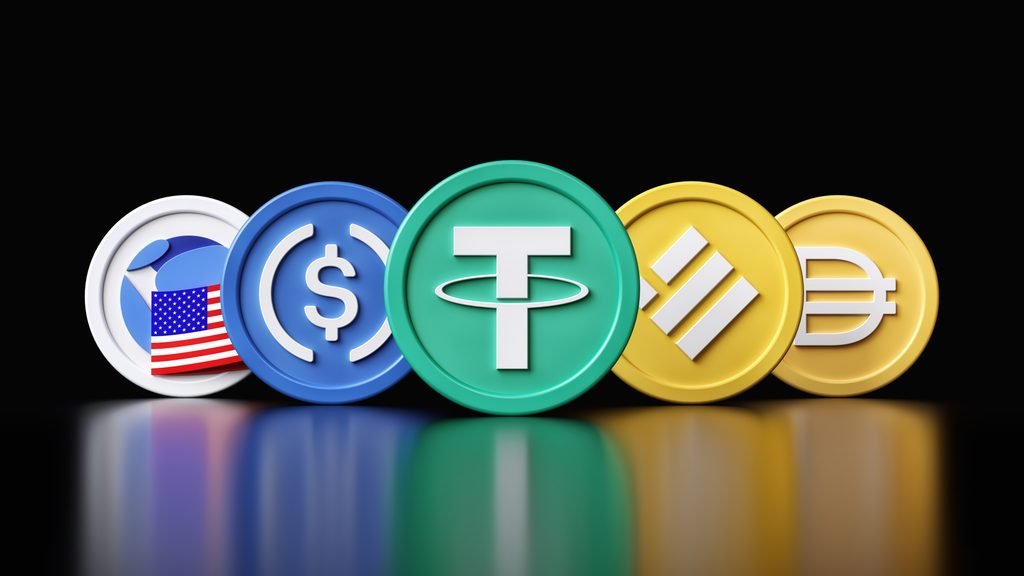
For years, stablecoins were treated by mainstream financial institutions as little more than liquidity chips for crypto traders. Moving funds between digital exchanges required a frictionless, price-stable asset, and USD-pegged tokens like USDT and USDC fit the bill perfectly.
Today, that single-use narrative is obsolete.

Driven by chronic friction in correspondent banking, high inflation in emerging markets, and the demand for real-time liquidity management, stablecoins have crossed the threshold from speculative crypto rails into a parallel global settlement network. Processing trillions of dollars in annual on-chain volume, stablecoins are attracting aggressive venture capital investments into the software layers, compliance engines, and payment gateways that connect digital dollars to the real economy.
Here is an analytical breakdown of why top-tier VCs, fintech unicorns, and institutional asset managers are backing the stablecoin infrastructure stack—and what investors must evaluate to capture the upside.
1. THE CATALYST: THE HIGH-COST FAILURE OF LEGACY CROSS-BORDER PAYMENTS
The global cross-border payment architecture—built primarily on the 50-year-old SWIFT messaging system—is fundamentally misaligned with a 24/7 digital economy.
Legacy international wire transfers rely on multiple correspondent banks, each taking a fee, introducing delay, and creating operational opacity. The average cost of sending cross-border remittances remains near 6%, while B2B corporate settlements take 1 to 3 business days to clear.
Stablecoin rails solve these structural inefficiencies directly:
- Near-Instant Settlement: On-chain transactions settle in seconds or minutes, regardless of geography or banking hours.
- Fractional Transaction Costs: Network fees on high-throughput Layer-1 and Layer-2 blockchains routinely cost less than $0.01 per transaction, unlocking micropayments and high-frequency settlement models that were previously cost-prohibitive.
- Zero Intermediary Risk: Direct peer-to-peer or smart-contract-mediated transfers eliminate correspondent banking markups and reduce capital lockup in Nostro/Vostro accounts.
This economic shift has transformed stablecoins from a crypto novelty into a mandatory efficiency play for global enterprise commerce.
2. THE THREE WAVES OF ADOPTION: WHERE CAPITAL IS DEPLOYING
Venture capital funding is no longer focused on simply issuing new tokens. Instead, smart money is backing the enabling software and middleware layers that allow traditional businesses to interact with digital currencies seamlessly.
Capital is concentrating across three primary adoption layers:
A. Emerging Market Dollarization & P2P Remittances
In economies facing high inflation and local currency volatility (such as Argentina, Nigeria, and Turkey), stablecoins act as a digital safe haven. Startups building non-custodial consumer wallets, local cash-in/cash-out agent networks, and mobile-first remittance apps are experiencing rapid user growth by giving citizens direct access to digital USD savings without needing a US bank account.
B. Global B2B Commerce & Merchant Acquiring
International B2B payments represent a $150+ trillion market dominated by high-fee wire transfers. Startups offering Payment-as-a-Service (PaaS) APIs allow global merchants, SaaS platforms, and marketplaces to accept stablecoins at checkout and automatically settle in local fiat currency—slashing card-processing interchange fees from 3% down to under 0.5%.
C. Corporate Treasury & Intercompany Settlement
Multinational corporations are using programmatic stablecoin rails for intra-company liquidity routing. Instead of maintaining idle cash reserves across dozens of local bank accounts globally, corporate treasuries utilize automated smart contracts to balance global working capital in real time.
3. THE INFRASTRUCTURE STACK: WHERE VENTURE RETURNS ARE CREATED
Investing in the stablecoin ecosystem requires evaluating companies across four distinct layers of the tech stack:
- Fiat On/Off Ramps: The software bridge between traditional bank accounts and blockchain networks. Companies that hold local money transmitter licenses, maintain direct clearing connections with regional banks, and offer seamless API integration command high strategic valuations.
- Compliance & RegTech Automation: Regulators globally are enforcing strict Know Your Customer (KYC), Anti-Money Laundering (AML), and Travel Rule mandates. Startups building automated, real-time on-chain transaction monitoring tools are critical enablers for institutional adoption.
- Programmable Liquidity & Yield Layers: Protocols that allow corporate treasuries to earn yield on their idle stablecoin balances via tokenized US Treasury Bills and short-term debt instruments are bridging the gap between TradFi (Traditional Finance) and DeFi.
- Orchestration APIs: Middleware platforms that route payments dynamically across multiple blockchains and stablecoin issuers to find the cheapest, fastest path for any given transaction.
4. RISKS AND REGULATORY FRAMEWORKS INVESTORS MUST NAVIGATE
While the market opportunity is massive, underwriting stablecoin infrastructure startups requires evaluating clear regulatory and operational risks:
A. Regulatory Licensing Velocity
With the implementation of comprehensive frameworks like MiCA (Markets in Crypto-Assets) in Europe and emerging stablecoin legislation in the US and Asia, regulatory compliance is no longer optional—it is the core moat. Startups operating with full regulatory licenses and transparent, audited fiat reserves command significant valuation premiums over unregulated competitors.
B. Concentration Risk
Over 90% of circulating stablecoin market cap is tied to US dollar-pegged assets (primarily USDT and USDC). While this solidifies USD dominance globally, startups building infrastructure must ensure multi-asset support (e.g., EUR-backed or JPY-backed tokens) to navigate future geopolitical shifts.
C. User Experience (UX) & Gas Abstraction
For mass adoption to occur, end users should not need to manage complex cryptographic private keys or hold native gas tokens to pay network fees. Venture investors favor startups implementing Account Abstraction (ERC-4353 and similar standards) that hide the underlying blockchain complexity behind familiar Web2 logins and credit-card-like interfaces.
CONCLUSION: THE REWIRING OF GLOBAL MONEY
The stablecoin sector is undergoing the same transition that internet protocol suites underwent decades ago—shifting from an underlying technical standard into an invisible, ubiquitous utility.
As regulatory clarity expands and payment giants (like Visa, Mastercard, and PayPal) integrate stablecoin settlement into their existing rails, the venture opportunity lies in the infrastructure layer connecting legacy finance with digital native rails.
For venture capital investors, backing the software tools, compliance engines, and payment gateways powering this transition represents one of the most strategic, high-conviction bets in modern fintech.
Stay ahead of the curve in venture capital, fintech infrastructure, and emerging market trends. Subscribe to the Funding Tech Venture newsletter or reach out to our team for co-investment insights.
Deja una respuesta