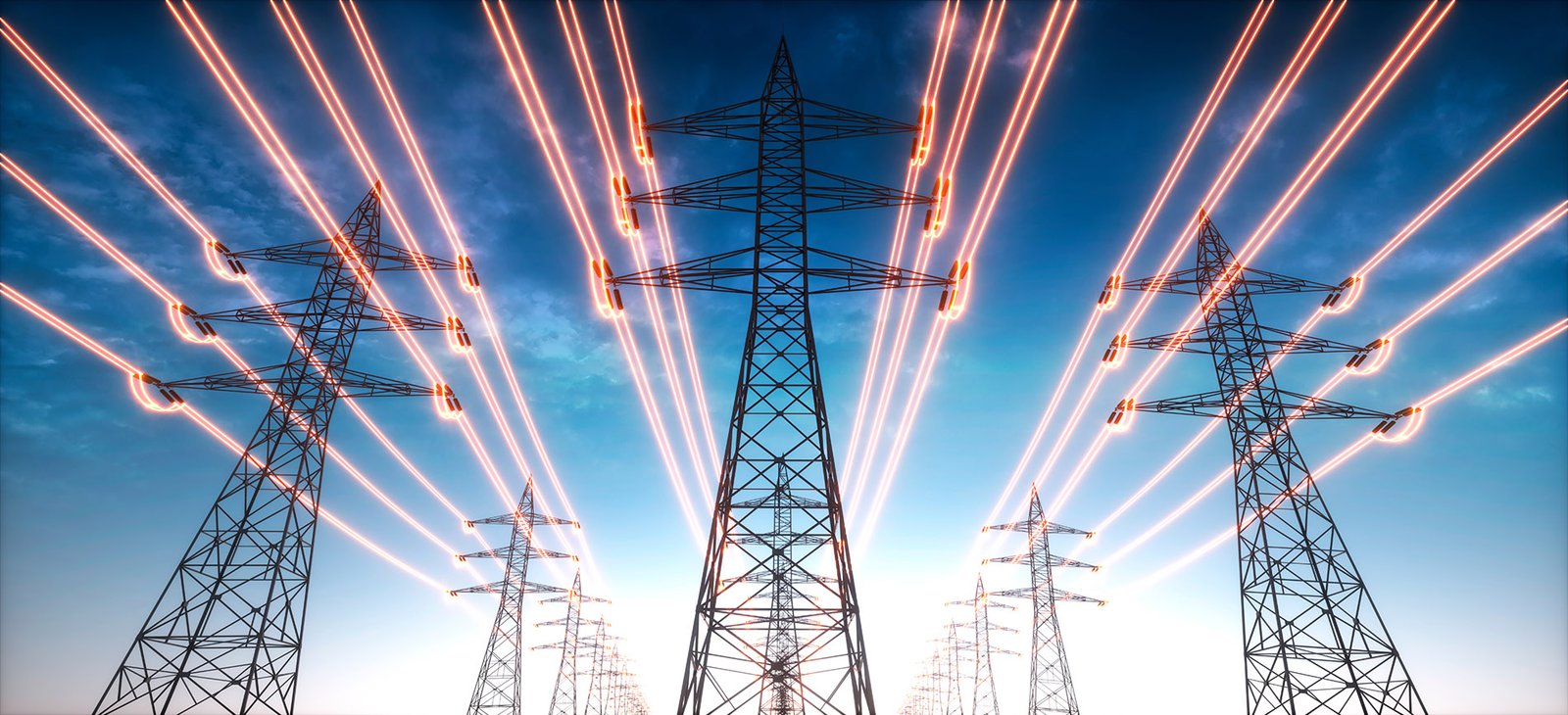
As transportation, industry, heating, and artificial intelligence increasingly rely on electric energy, global power demand is entering uncharted territory. The challenge is no longer generating clean energy alone—it’s ensuring the grid can deliver enough of it.
The electric shift has begun
For decades, global energy consumption grew at a relatively predictable pace, closely tied to population growth and economic development. Today, that trend is changing dramatically.
The world is entering an era of widespread electrification. Electric vehicles are replacing combustion engines, factories are shifting from fossil fuels to electric processes, buildings are adopting heat pumps, and data centers supporting artificial intelligence are consuming unprecedented amounts of electricity.
At the same time, governments are accelerating the transition toward renewable energy to reduce emissions and improve energy security.
The result is a historic surge in electricity demand—one that could redefine infrastructure investment, industrial competitiveness, and the global economy over the coming decades.
Electrification is reshaping the energy landscape
Electricity is rapidly becoming the world’s dominant energy carrier.
Unlike previous energy transitions that focused primarily on improving efficiency or replacing one fuel with another, today’s transformation involves electrifying entire sectors of the economy.
This shift includes:
- Electric vehicles replacing gasoline and diesel cars.
- Heat pumps substituting natural gas heating systems.
- Industrial electrification in steel, chemicals, and manufacturing.
- Smart buildings powered by digital energy management systems.
- Renewable energy replacing fossil-fuel generation.
Each of these changes increases the demand placed on electricity networks.
The challenge is no longer simply producing enough clean energy—it’s transporting, storing, and managing it reliably.
Artificial intelligence is creating a new wave of electricity demand
One of the fastest-growing drivers of electricity consumption is artificial intelligence.
Training advanced AI models requires enormous computational power, while millions of daily AI applications depend on vast networks of data centers operating around the clock.
These facilities consume electricity not only for computing but also for cooling systems, networking equipment, and supporting infrastructure.
As AI adoption accelerates across every sector, electricity demand from digital infrastructure is expected to rise sharply.
Technology companies are already investing billions in dedicated renewable energy projects, battery storage, and even nuclear power agreements to secure reliable electricity supplies for future growth.
Transportation is becoming electric
The transportation sector is undergoing one of the largest transformations in modern history.
Electric vehicles continue gaining market share as battery costs decline and charging infrastructure expands.
Beyond passenger cars, electrification is extending to:
- Commercial delivery fleets.
- Public transportation.
- Heavy-duty trucks.
- Maritime applications.
- Certain segments of aviation.
Each new electric vehicle increases electricity consumption while simultaneously reducing oil demand.
Managing millions of charging sessions efficiently will require smarter grids capable of balancing demand throughout the day.
Vehicle-to-grid (V2G) technologies may eventually allow electric cars to function as distributed energy storage systems, improving grid flexibility.
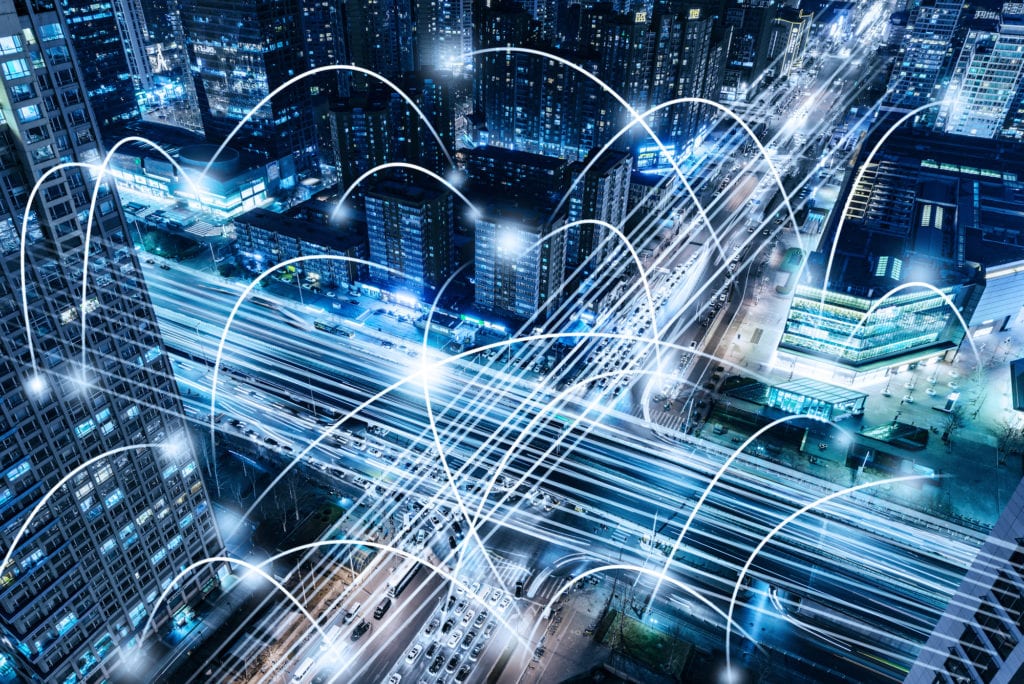
The grid has become the new bottleneck
Generating renewable electricity is no longer the only challenge.
In many countries, the greatest obstacle is the electricity grid itself.
Transmission lines, substations, transformers, and distribution networks were largely designed decades ago for centralized fossil-fuel generation and relatively stable consumption patterns.
Today’s energy system is fundamentally different.
Renewable generation is decentralized, electricity demand is becoming more dynamic, and bidirectional power flows are increasingly common as homes and businesses generate their own electricity through rooftop solar systems.
Without significant investment in grid modernization, clean energy projects risk being delayed simply because the infrastructure cannot accommodate them.
Energy storage will be critical
Renewable energy introduces variability into electricity systems.
Solar generation peaks during daylight hours, while wind production depends on weather conditions.
As electricity demand grows, balancing supply and demand becomes increasingly important.
Battery energy storage systems are emerging as one of the most effective solutions, allowing excess renewable electricity to be stored and deployed when demand increases.
However, batteries alone may not be sufficient.
Long-duration storage technologies—including pumped hydro, compressed air, thermal storage, hydrogen, and gravity-based systems—are expected to play an increasingly important role in ensuring reliable electricity supplies.
Together, these technologies could become the backbone of tomorrow’s resilient power systems.
Critical minerals will power electrification
Every stage of electrification depends on raw materials.
Copper is essential for transmission lines, transformers, electric motors, and charging infrastructure.
Lithium, nickel, cobalt, graphite, and manganese remain fundamental to battery production.
Rare earth elements enable high-performance permanent magnets used in electric motors and wind turbines.
As electricity demand accelerates, securing reliable supplies of these critical minerals is becoming both an economic and geopolitical priority.
Countries are increasingly investing in domestic mining, recycling, and diversified supply chains to reduce dependence on a limited number of producing regions.
Investment opportunities across the energy value chain
The electrification trend extends far beyond renewable power generation.
Major investment opportunities are emerging across the entire energy ecosystem, including:
- Electricity transmission and distribution infrastructure.
- Smart grid technologies.
- Grid-scale battery storage.
- Charging infrastructure.
- Power semiconductors.
- Critical minerals.
- Energy management software.
- Advanced nuclear technologies.
- Industrial electrification solutions.
Rather than representing a single industry, electrification is creating an interconnected investment landscape spanning energy, technology, manufacturing, and infrastructure.
Preparing for an electric world
The future of energy is increasingly electric.
From transportation and industry to artificial intelligence and residential heating, nearly every sector is shifting toward electricity as its primary source of power.
This transition promises cleaner energy systems, lower emissions, and greater efficiency—but it also presents one of the largest infrastructure challenges in modern history.
Meeting tomorrow’s electricity demand will require unprecedented investment in grids, storage, renewable generation, digital technologies, and critical mineral supply chains.
The companies and countries that successfully build this new energy ecosystem will be well positioned to shape the next era of global economic growth.
Deja una respuesta